
Sweat equity is the value you create in a property with your own labor instead of paid labor. It is the reason a buyer with more time than money can end up with a better balance sheet than a buyer who hires everything out.
I put quite a bit of my own evenings/weekends (and some of my friends/neighbors/family) into the duplex, inside and out. This post covers what the term really means, the math on a real project, and a photo record of the work in the order it happened. The full year-one numbers are in Show Your Work: The Duplex, Year One.
What sweat equity actually means
When you hire out a renovation, the bill has two parts: materials and labor. Do the work yourself and the labor part of the bill disappears. The gap between the cash you spent and what the finished work is worth on the market is sweat equity.
Two details keep the idea grounded. First, an appraiser gives no credit for who did the work. A patio built on weekends and a patio built by a crew appraise the same if the result is the same, so quality is the whole game. Second, your own labor is never deductible and never adds to your cost basis. The IRS only counts money that actually left your pocket. IRS Publication 527 covers the repairs-versus-improvements rules, and I walk through how they apply to an owner-occupied duplex in the tax deductions post. As always, none of this is tax advice.
The math, on a real project
Zonda’s Cost vs. Value report is the standard reference for what renovations return when the work is professionally done. The 2025 edition puts the average project at roughly 73 cents recouped per dollar spent at resale, and a professionally built backyard patio at about 46 cents. Read that plainly: paying a crew to build a patio loses money on paper.
Now change one variable. Build the same patio yourself and your cash cost is materials, base rock, and tool rental. The labor share of the quote, often the largest line on it, stays in your pocket. The value added does not change, because the appraiser sees the same patio. When the cash going in drops and the value coming out holds, the return flips from negative to positive. That flip is the entire mechanism of sweat equity.
Most owners never touch it. Harvard’s Joint Center for Housing Studies counts 84 percent of 2023 home improvement spending as professionally installed, with do-it-yourself work at about 64 billion dollars of a 405 billion dollar total. Labor you can supply yourself is the one input most buyers refuse to bring.
Example: Some of the outside work upgrading the yard
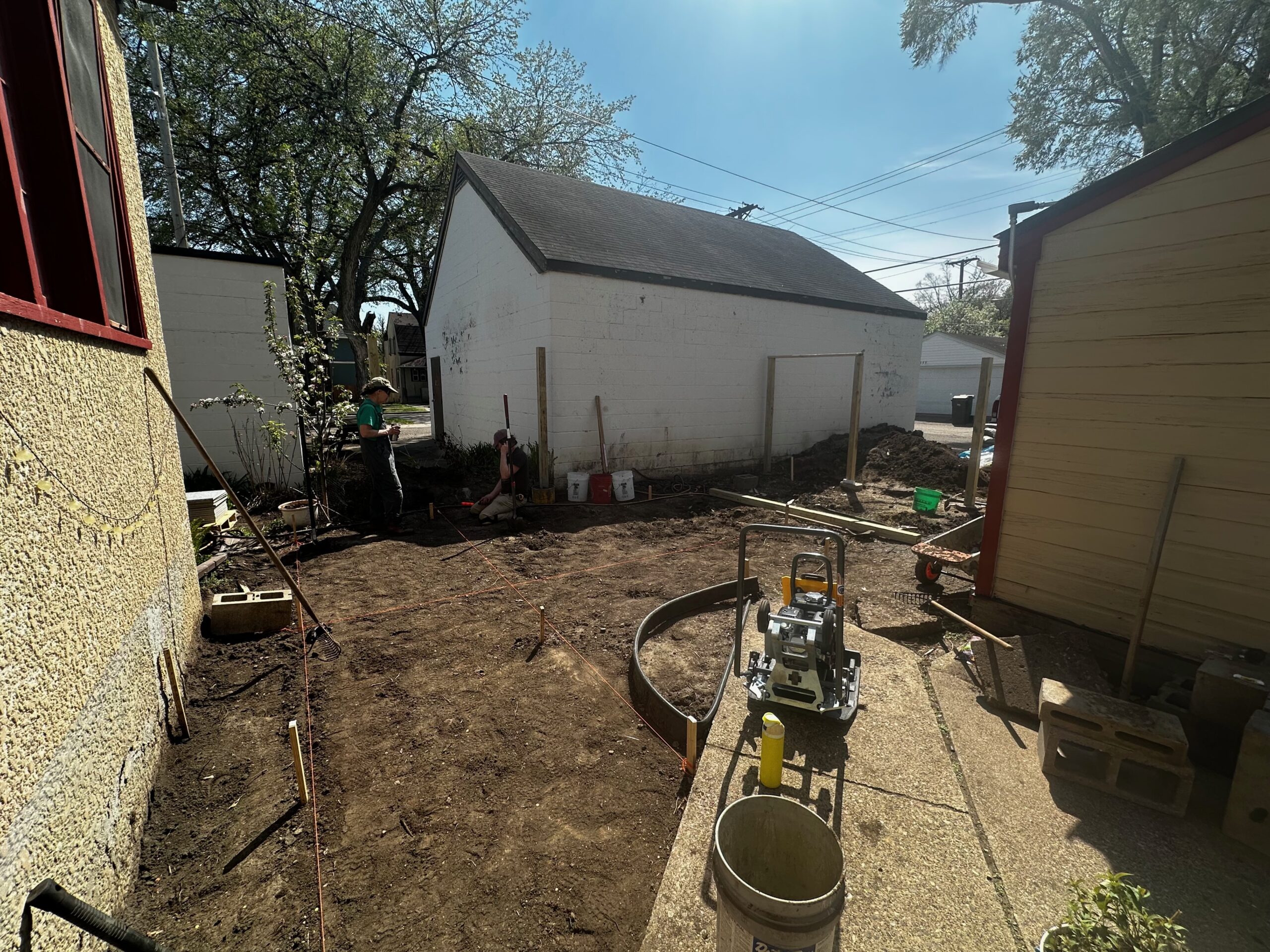
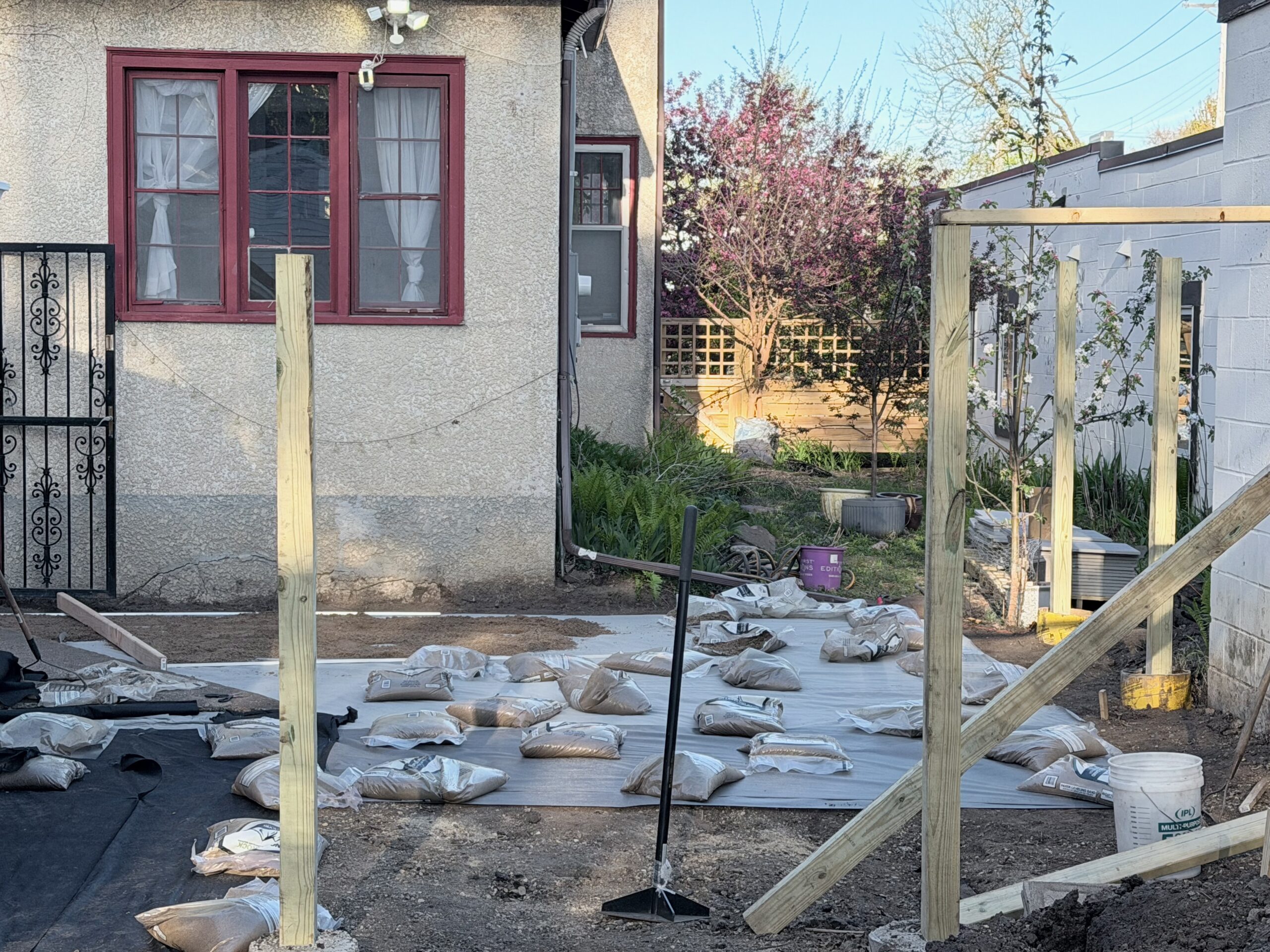
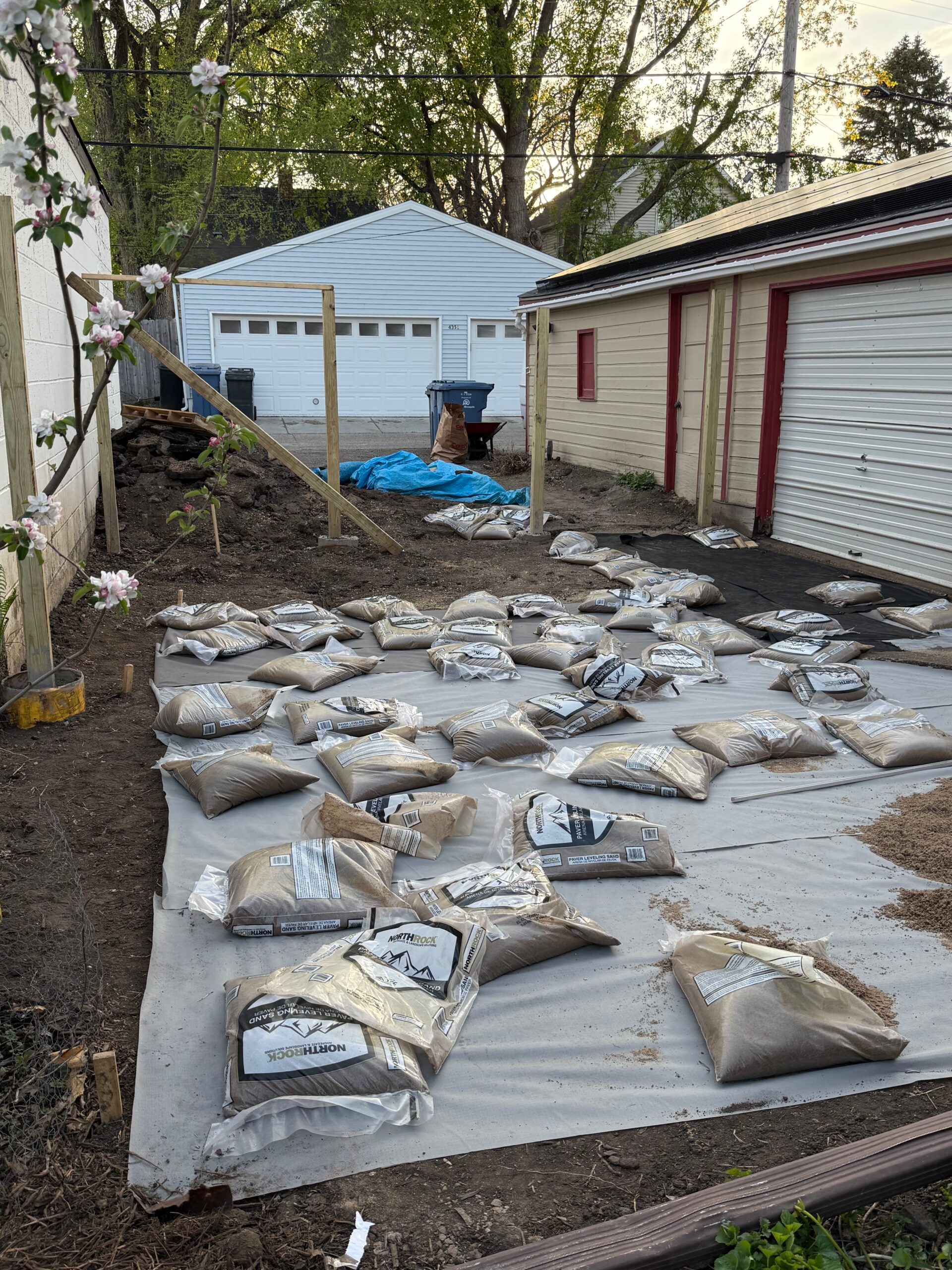
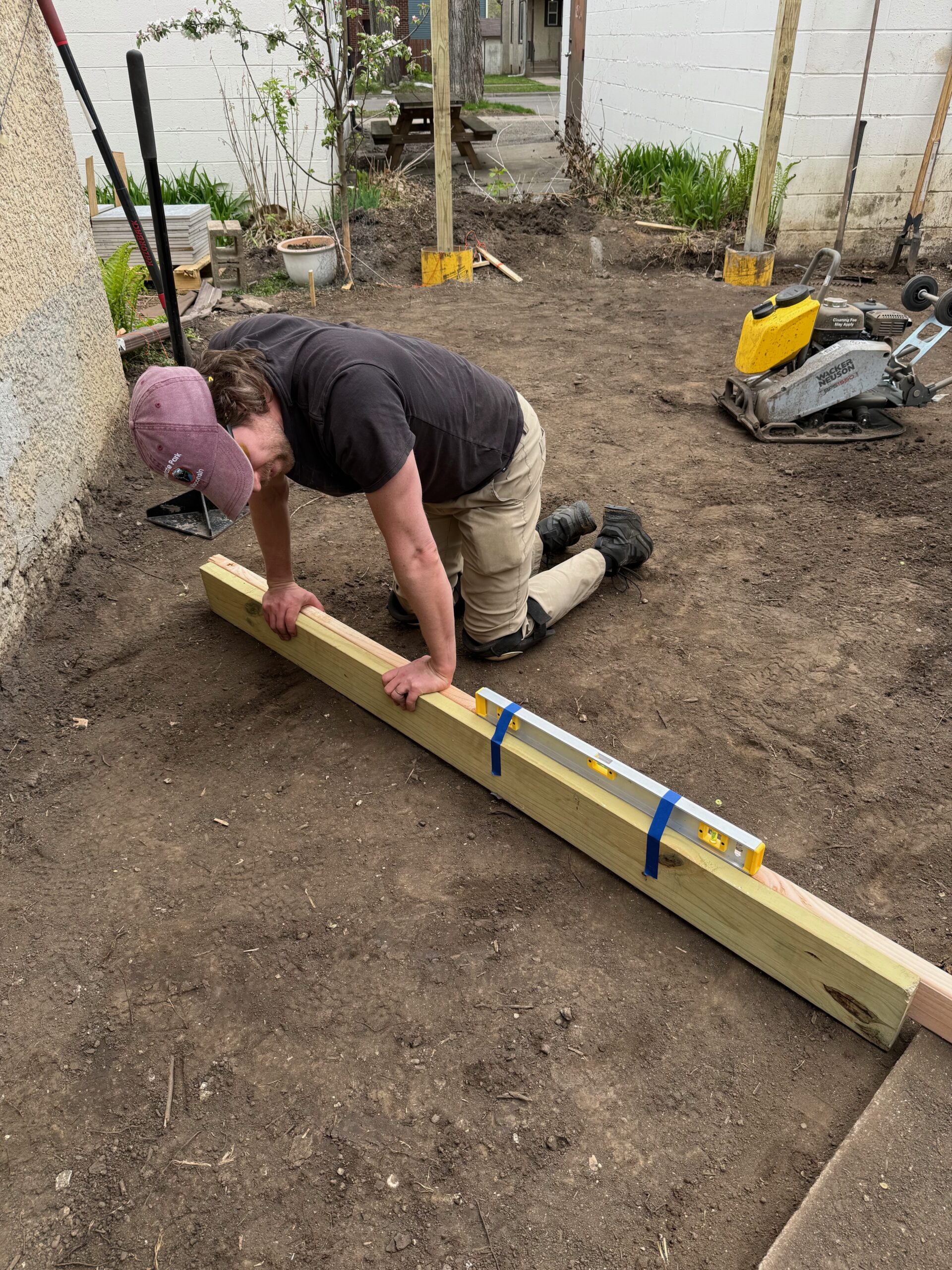
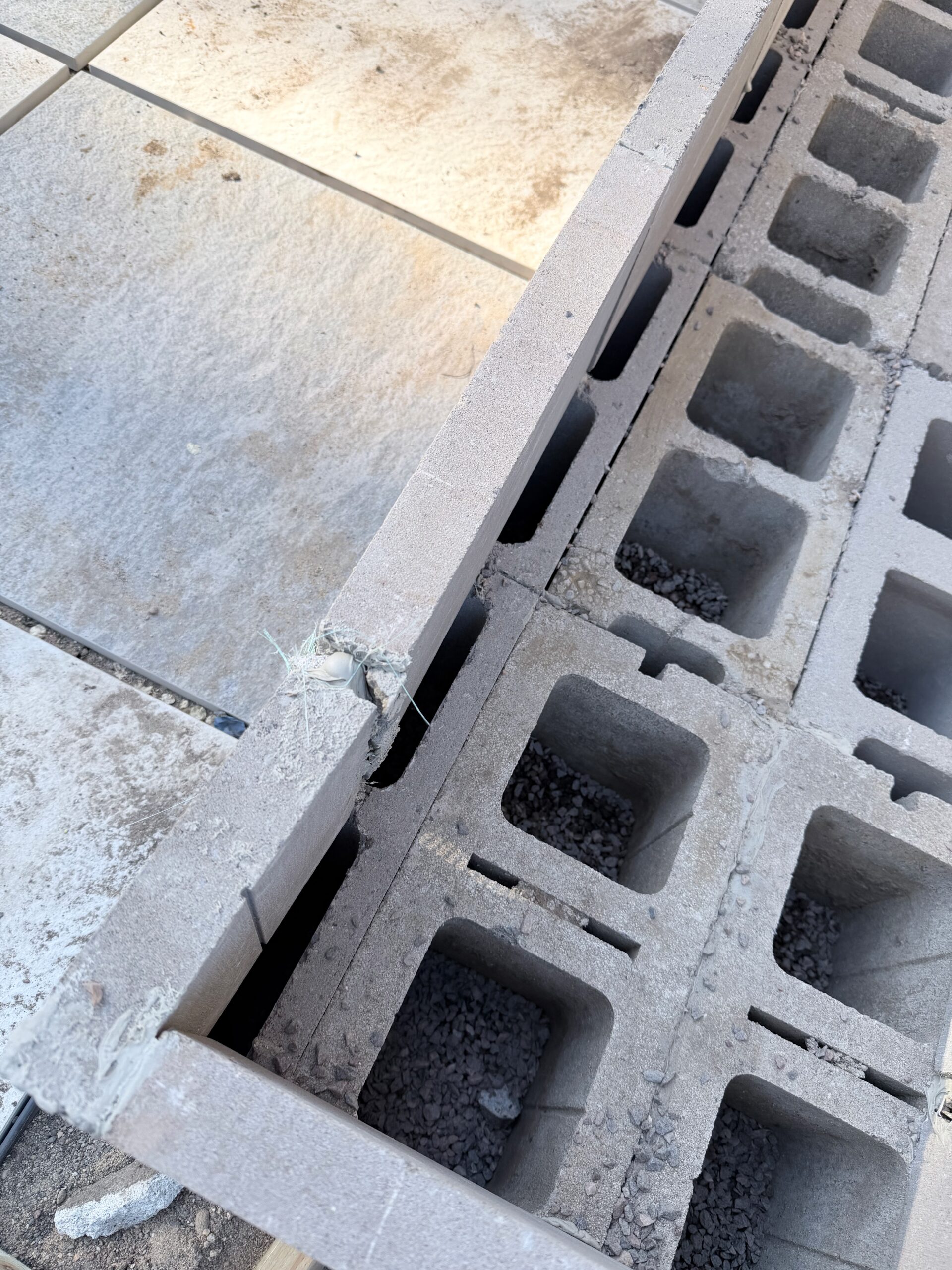
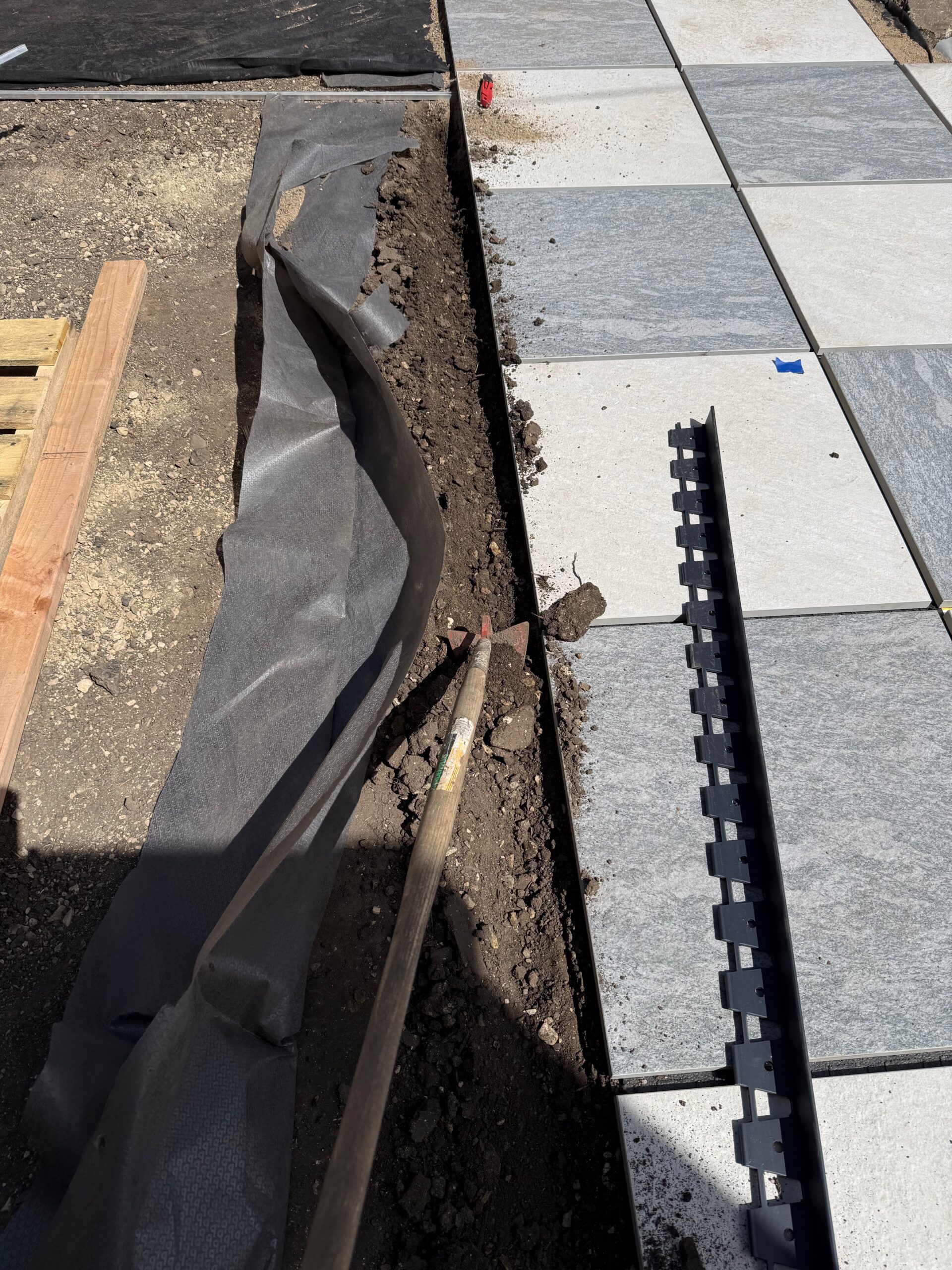
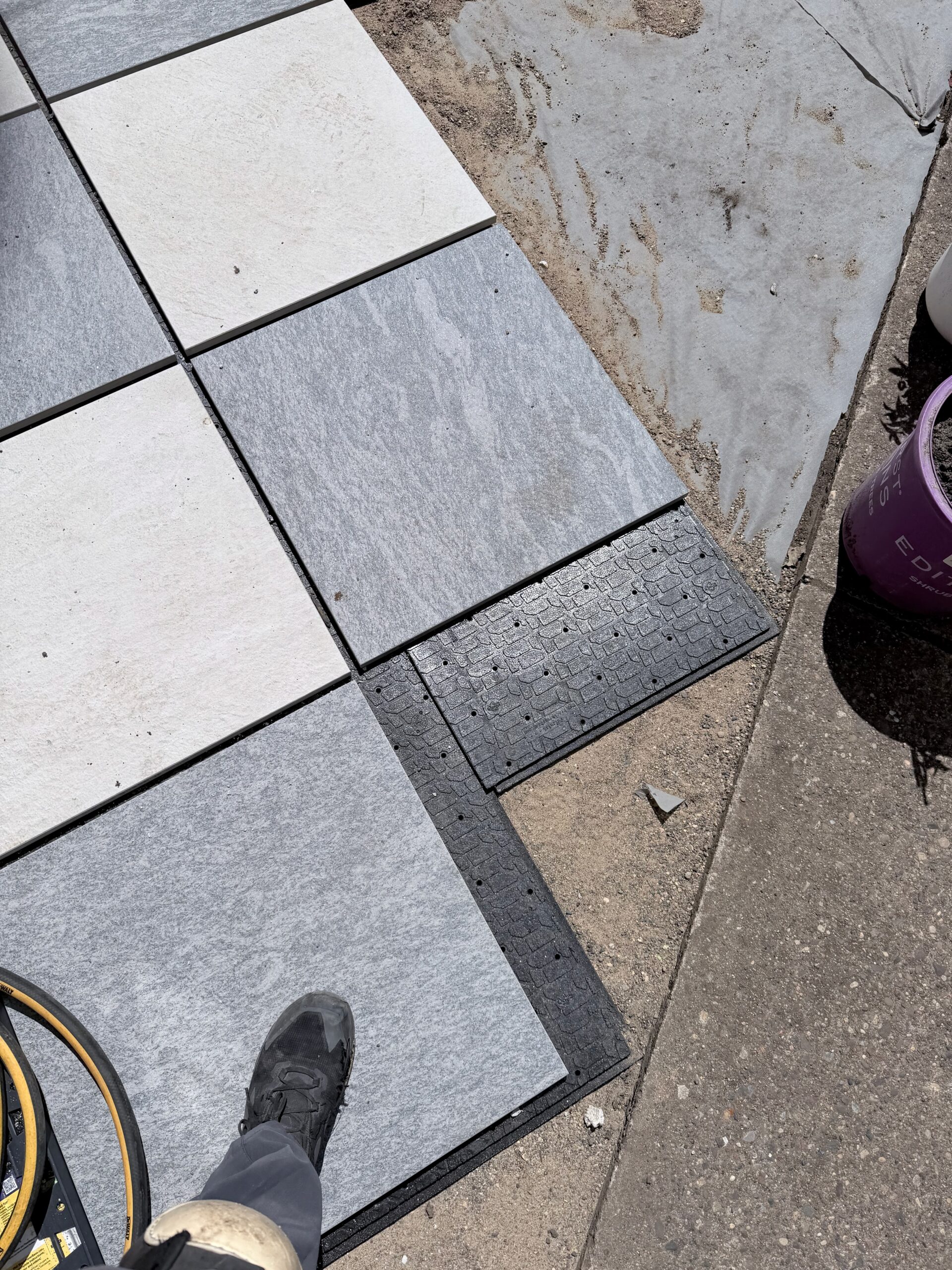
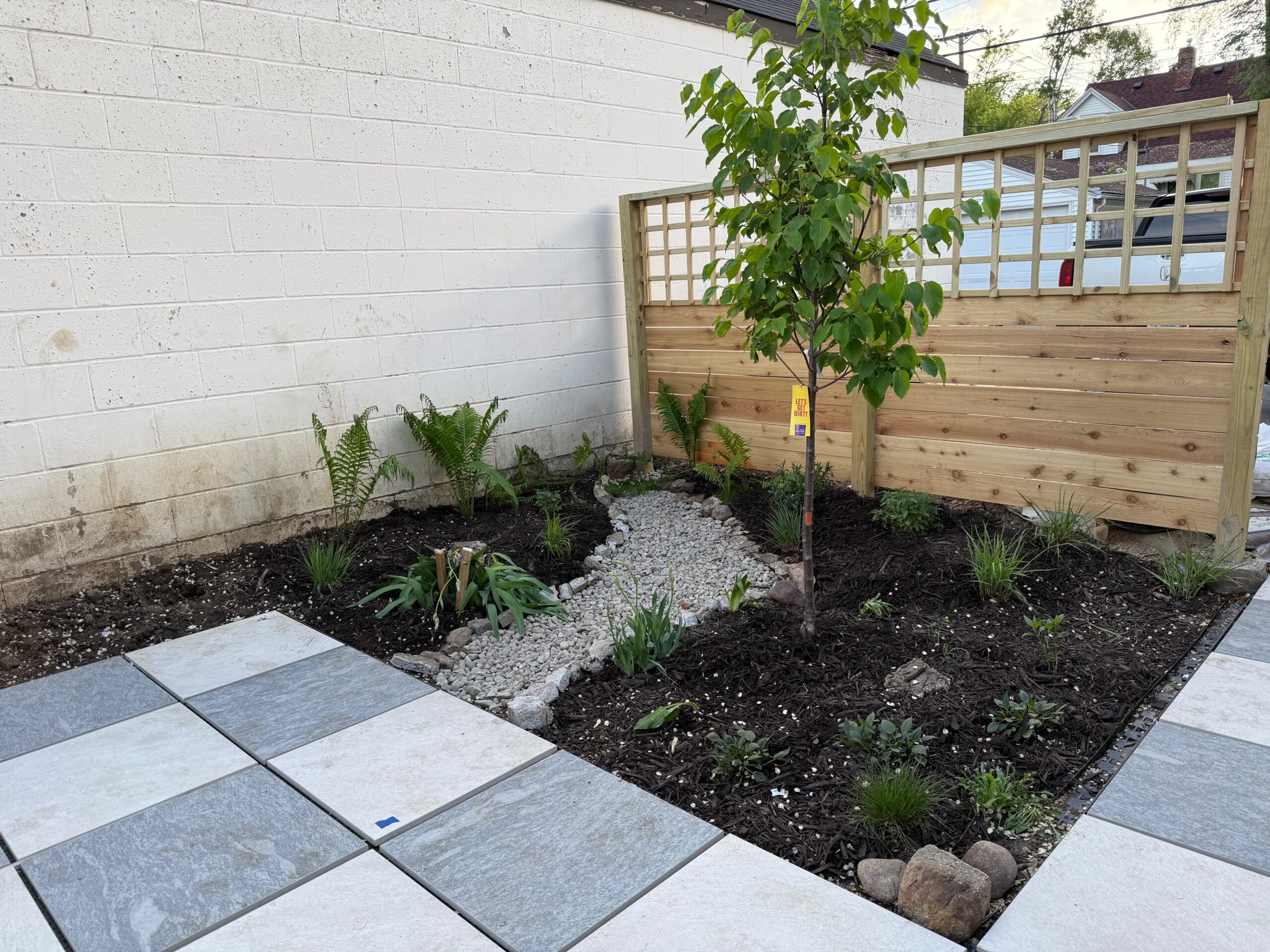
The backyard went from bare dirt and asphalt to a paver patio, cedar fence, and planted garden over six weekends. Some of the work I did here I had no previous experience with prior to starting, so don’t be intimidated! YouTube and other websites have plenty of information for you! In this case, Tte sequence mattered more than the speed, although both mattered. Patios need consideration for grade, compact, layer base, edge, then pavers. Skipping a step shows up two winters later.
The inside work
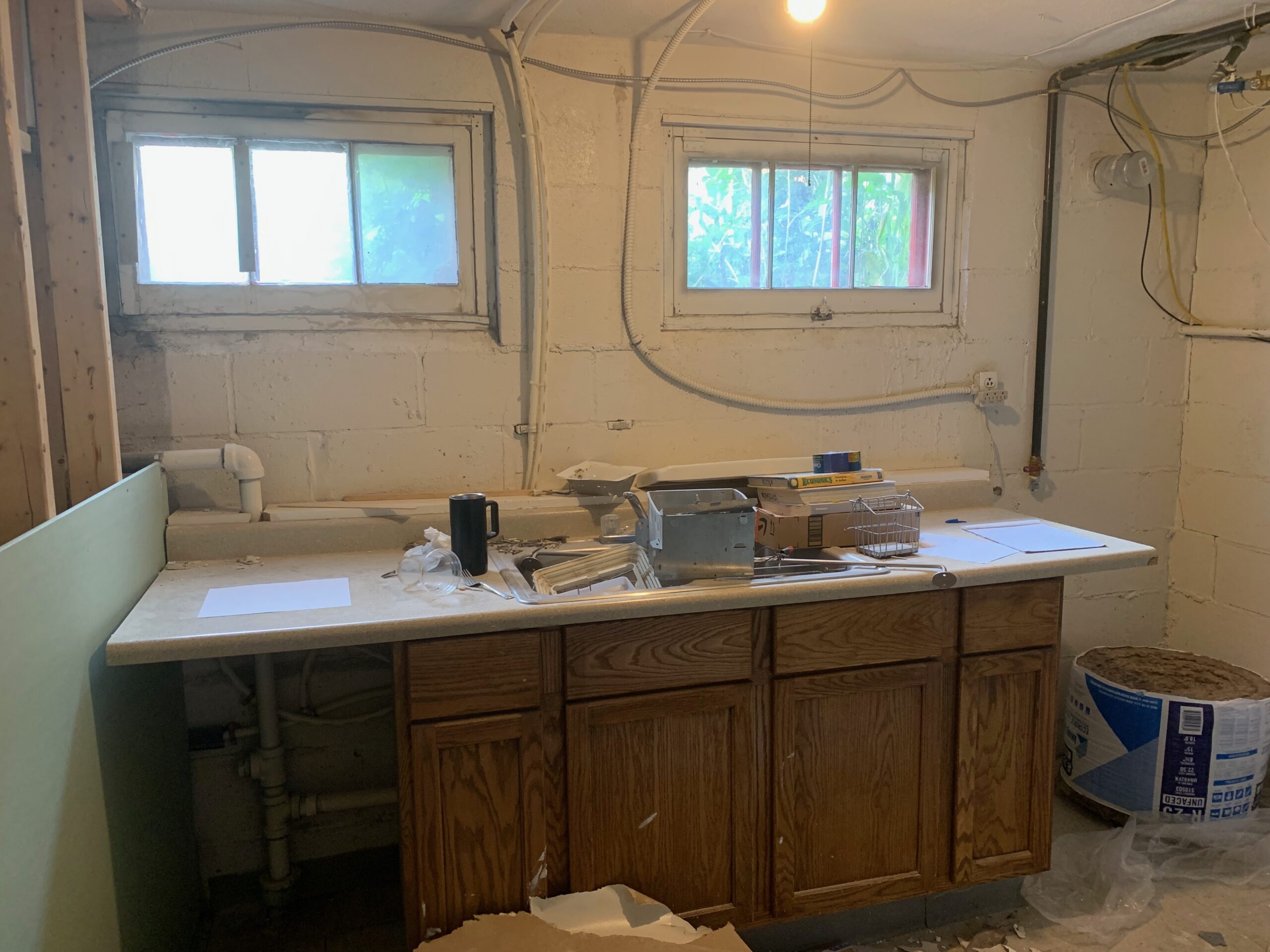
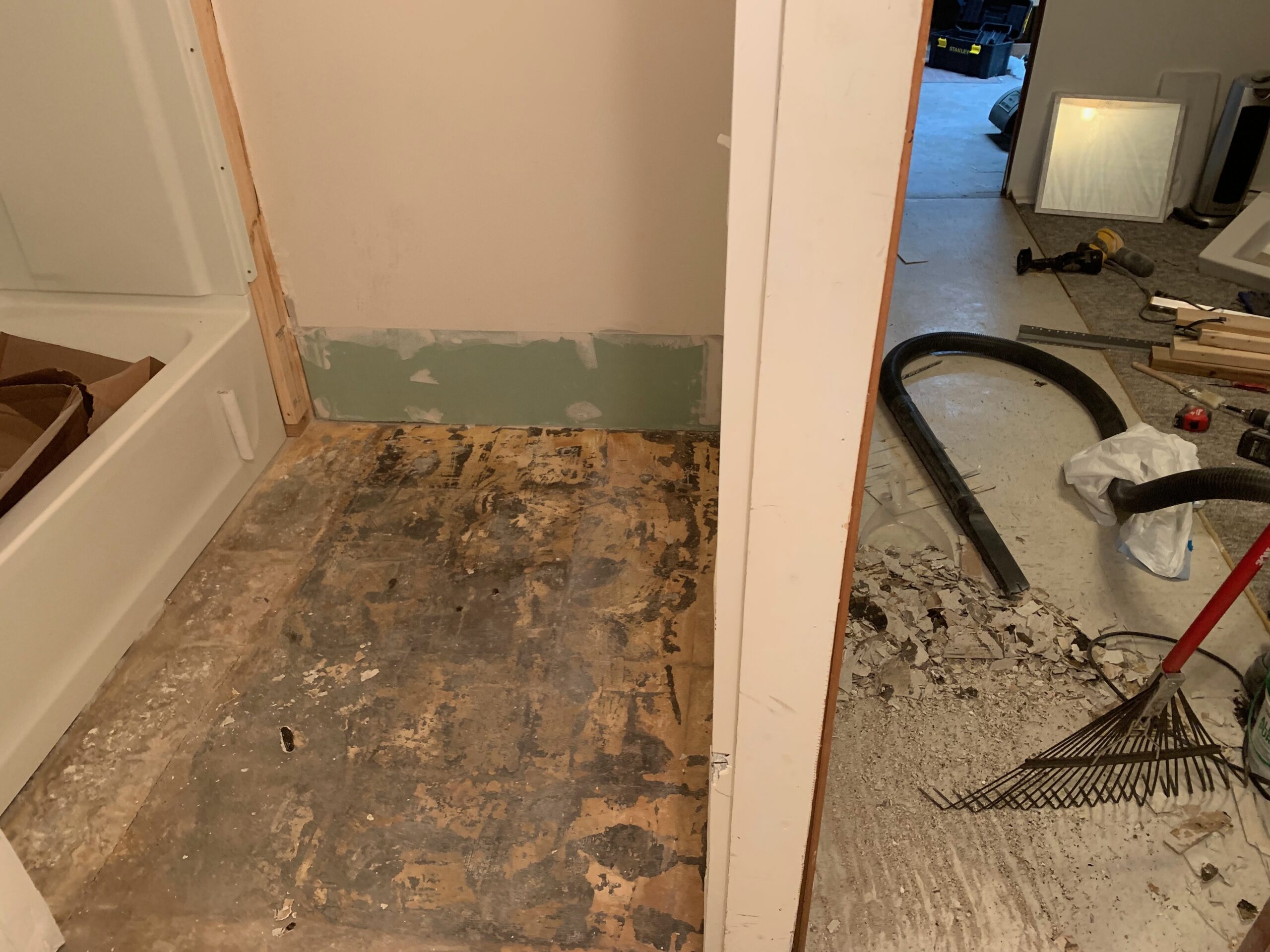
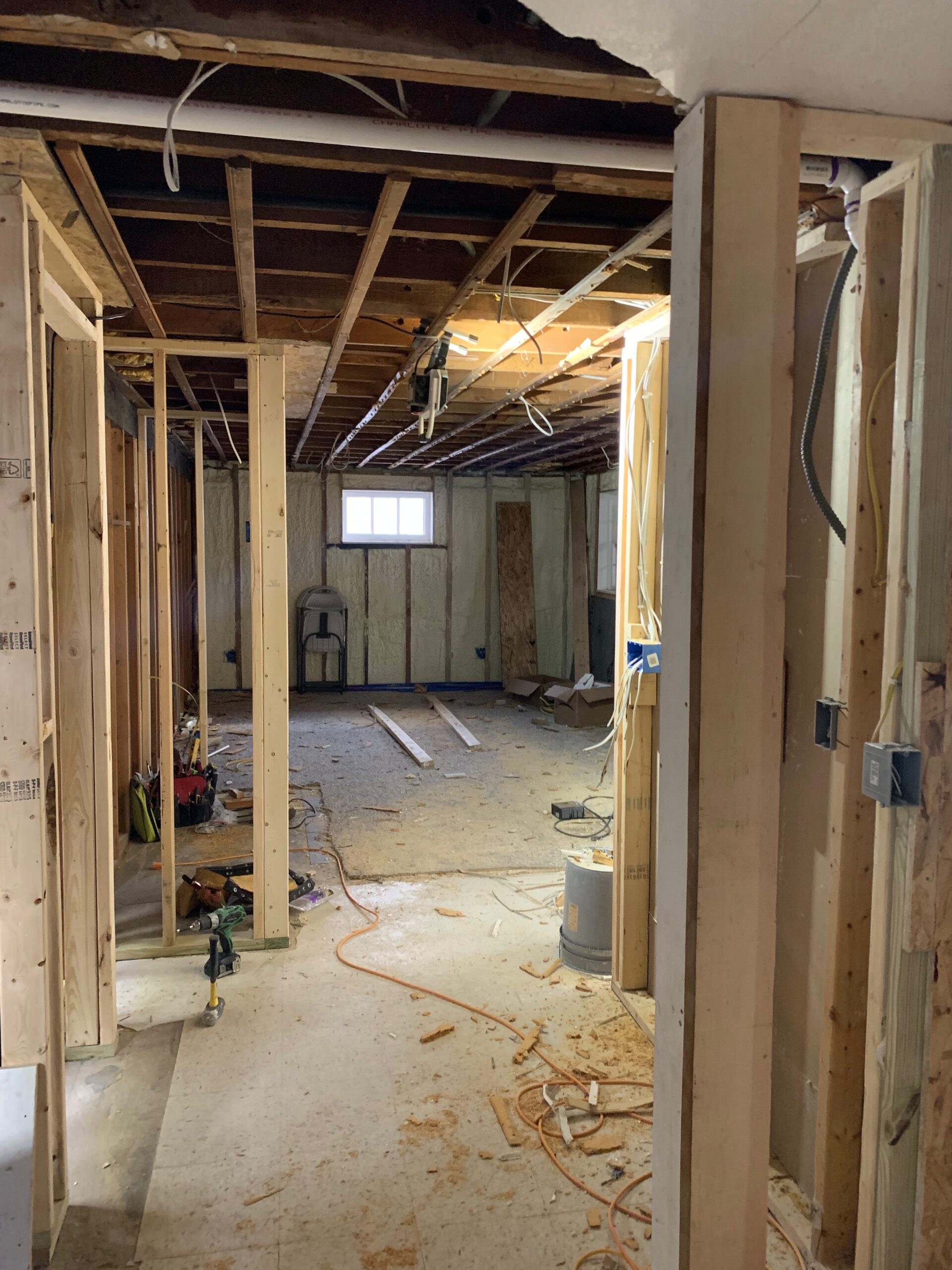
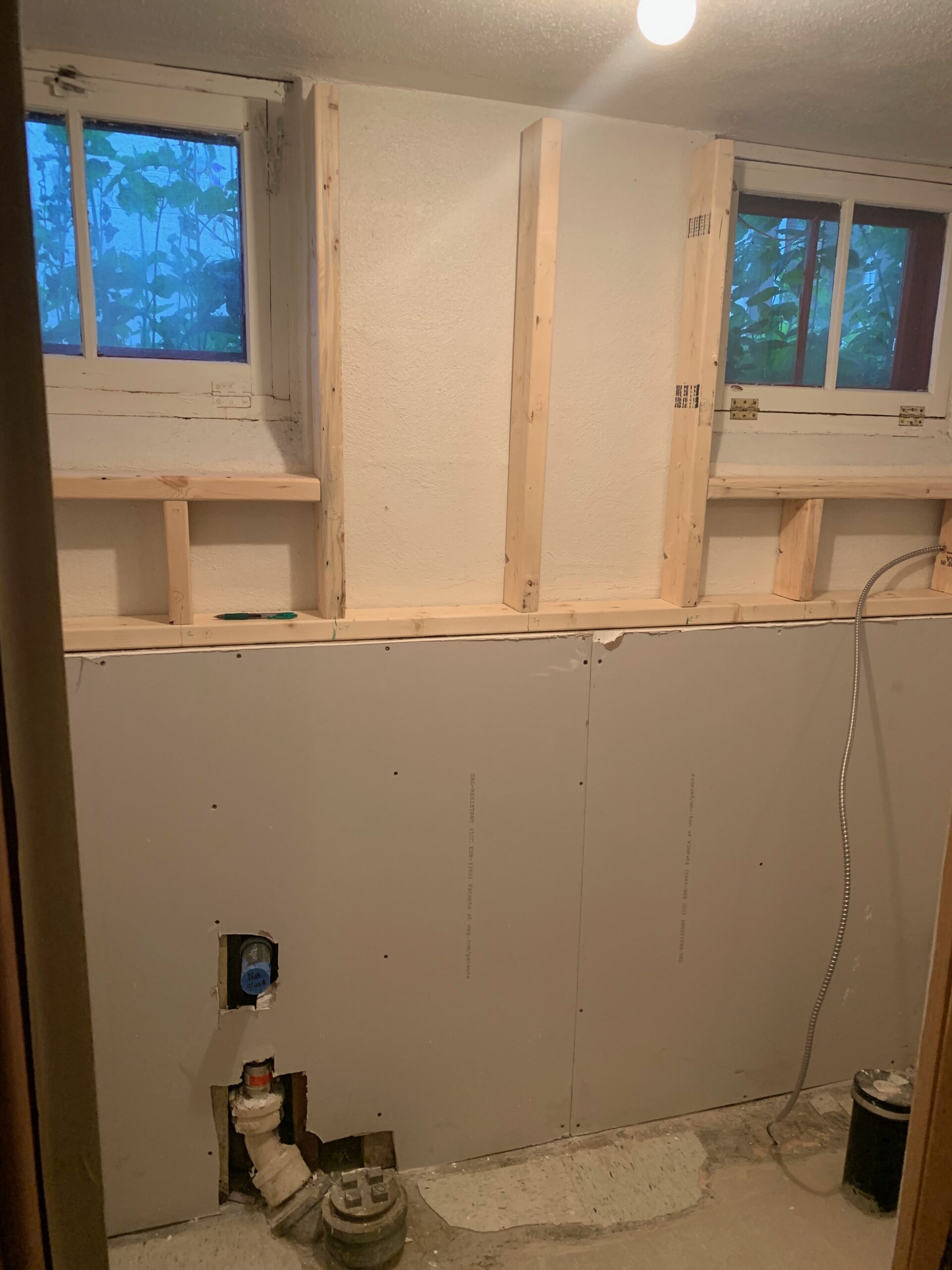
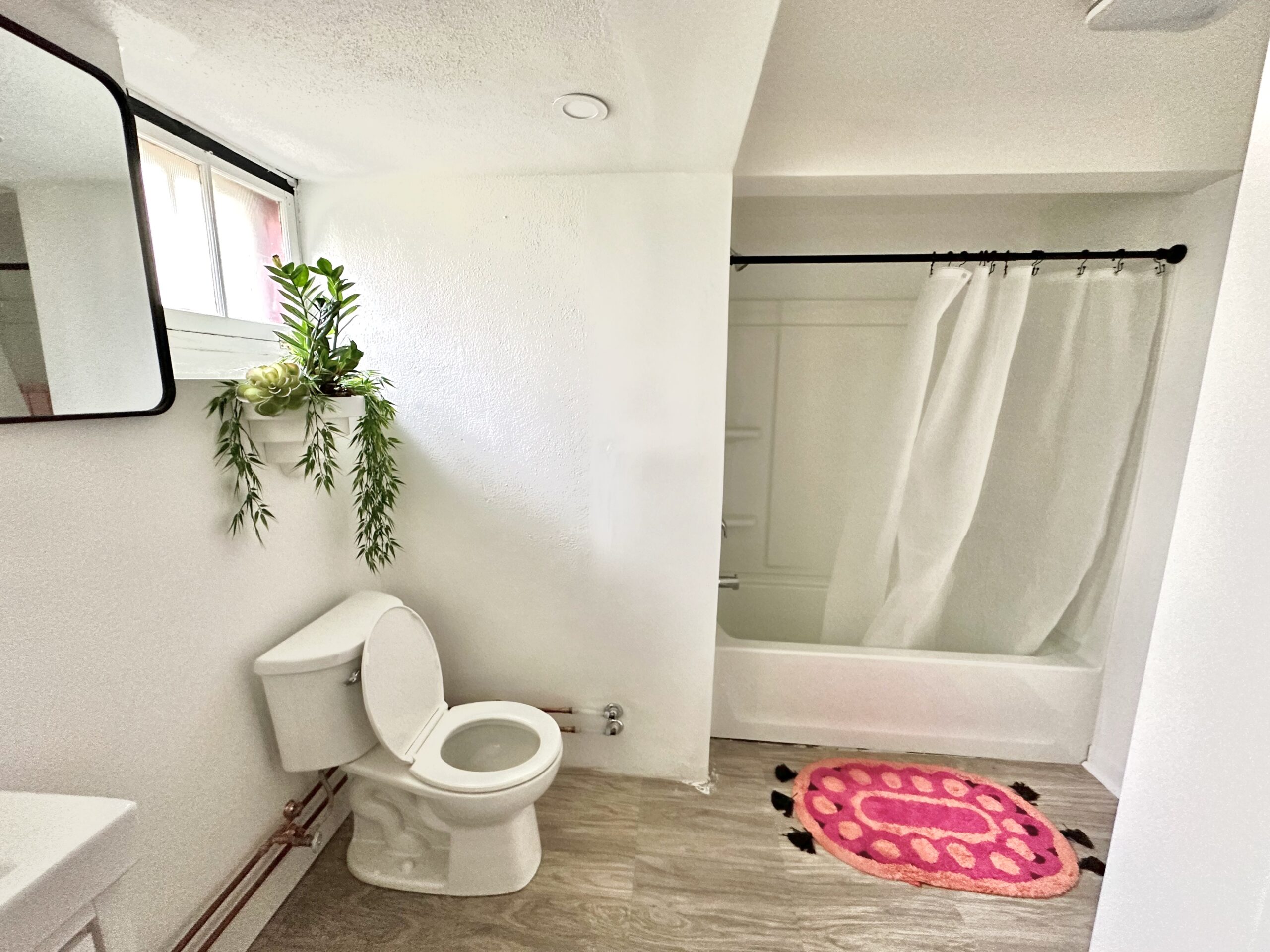
Inside was the bigger lift and the slower one, because we lived here while it happened. Demolition, framing, plumbing rough-in, drywall, and a finished bathroom, spread across year one. Professionals had to pull permits and complete what I couldn’t, but I did the rest.
When doing it yourself is the wrong call
Sweat equity has a boundary line, and it is worth drawing before you pick up a pry bar. Electrical service, gas lines, and structural changes belong with licensed pros, both for safety and because permitted work has to pass inspection. I hire those out and do not look back.
Your time also has a price. If a unit sits empty an extra month because a tile job took six of your weekends instead of a contractor’s week, the lost rent belongs in the math. Sweat equity works best on work you can do while the property is already producing, which is exactly the situation house hacking puts you in: you live on site, and the job site is your backyard.
The point
Nobody handed me a renovation budget. Labor was the asset I already owned, and the duplex gave that labor a place to compound. Starting with more energy than capital is not a disadvantage to apologize for; it is the standard first-generation path. Start with what house hacking is, run a deal through the free calculator, and remember that the repairs line looks different when the labor is yours.
The First-Property Bundle
Playbook, deal-analyzer toolkit, and down-payment-assistance finder. Pay what you want.
Get the bundle →The $0-to-First-Property Roadmap
The five-stage plan I followed from the van years to a duplex.