
Van to Vault is a personal-finance site about house hacking and first-time home buying, run by someone who spent about thirteen months living in a van, then bought a starter home for $185,000, and five years later owns the duplex he lives in and rents out. He publishes the figures from his own deals, plain explanations, and free calculators. Most affordability content is either despair or hype; this site is the third option: real listing data on where owning costs less than renting, and the math to check it yourself.
About Van to Vault
From a van in a parking lot to a duplex.
How I ended up living in a van

In my 20s I lived out of a van for about thirteen months. I did not choose it as a lifestyle. It came out of a larger struggle to reconcile what I could afford with where I wanted to go in life. I didn’t have savings to fall back on, and at the time I couldn’t see a path to anything better without trying to get rid of my biggest expense (rent). It didn’t really work out.
At the end of the van-dwelling experience, once I had a chance to look ahead, I did the only thing I knew how to do: I started running the numbers on how I could actually get out of my financial hell, and get to a place of financial security.
The answer that I kept coming back to was leaving my high cost of living area, and instead of renting buy a small duplex. I could see a narrow path there, if I made a few moves and took some risks (and got lucky).
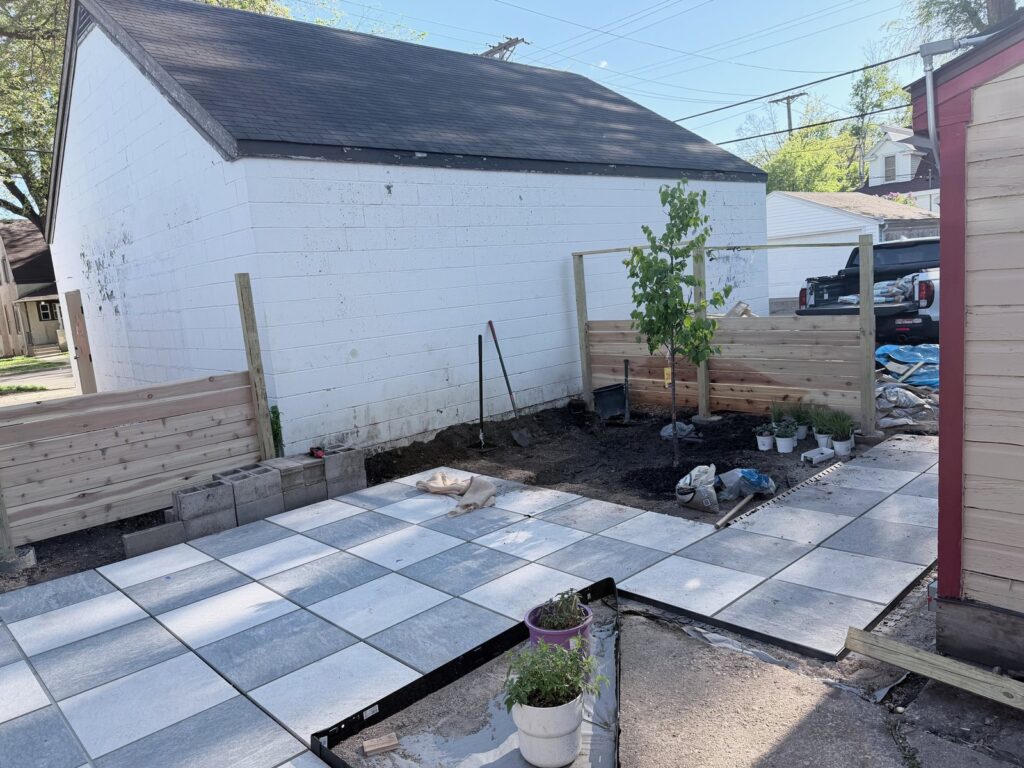
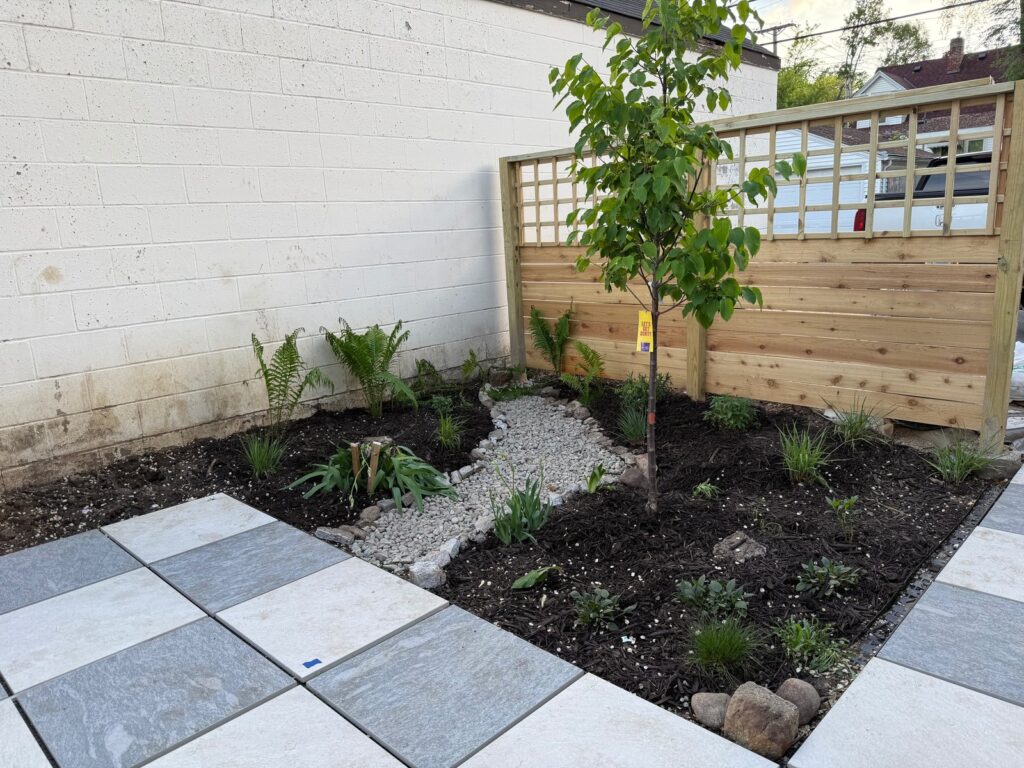
Over the next five years I worked my way from that van to a duplex I live in and rent out today.
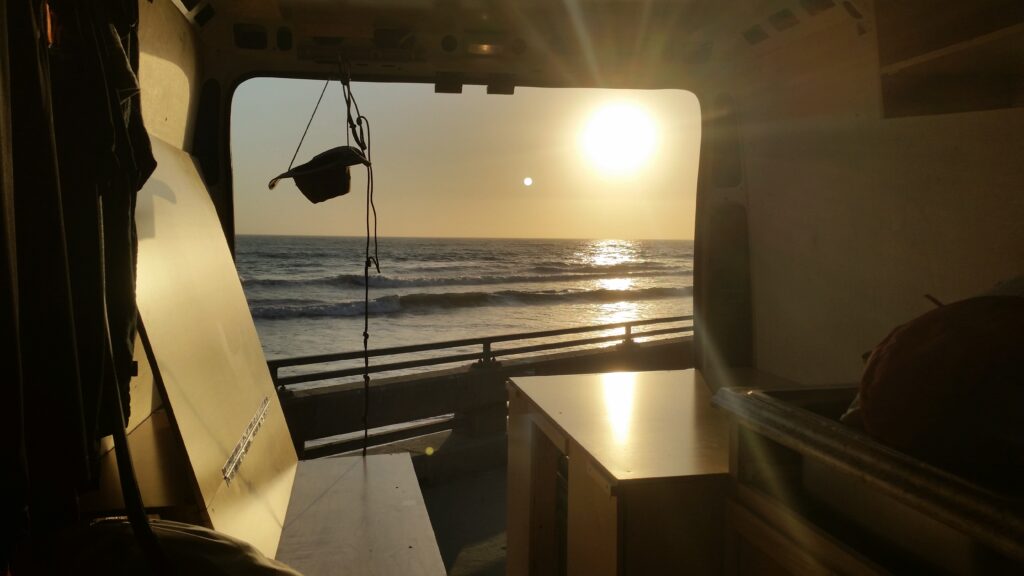
How I got from a van to a duplex
Moving to a cheaper city to rebuild savings
After the van experiment I wasn’t ready to give up. I moved across the country to a more affordable area (where homes were accessible on an entry-level income). I got a job, I rented a small apartment for about a year. That gave me a stable base to plan from instead of just getting through each week.
Buying a $185,000 starter home with buyer assistance
Then I bought a starter home: $185,000, under 800 square feet, in a decent neighborhood. I actually was still in a tough enough position that I couldn’t have covered the down payment alone, so I used a county first-time-buyer assistance program to get in. I lived there about three years, and the equity I built became the down payment on my next place.
How the duplex rent covers most of the mortgage
That next place is the duplex I’m in now. I bought it with an FHA loan. I live in one unit, rent the other, and run the basement as a short-term rental. Those two units bring in roughly $20,000 to $30,000 a year and cover most of my cost of living here. My monthly housing cost went from about $1,500 to a few hundred dollars.
The math of it
The whole thing took about five years and two modest purchases stacked on top of each other. It came from a public assistance program, a small first house, and a lot of careful math in between. Nothing was inherited and nothing was won.
Why the data and calculators are free
Before I bought the starter home, I ran the numbers on hundreds of listings. My realtors and I went to literally over 100 houses/condos/multi-family homes. They probably hated me. But I had no margin for error, and I can do the basic math, and that was the only thing protecting me from bad decisions.
I eventually got a sense of a what a deal was in my price range and location, and good at telling which deals actually worked and which ones only looked good on paper.
Then I was able to apply that sense to the duplex, for which I was much more decisive (a few months, a handful of listings).
Most real estate advice online skips that part, or hides it behind a course. I’d rather just show my work. So on this site I share the figures from my own deals (the purchase prices, the rent, the repairs that went wrong, etc) along with plain explanations of the figures that matter and free calculators for running your own numbers on real listings. My hope is that it is helpful, even for just one person of similar circumstances.
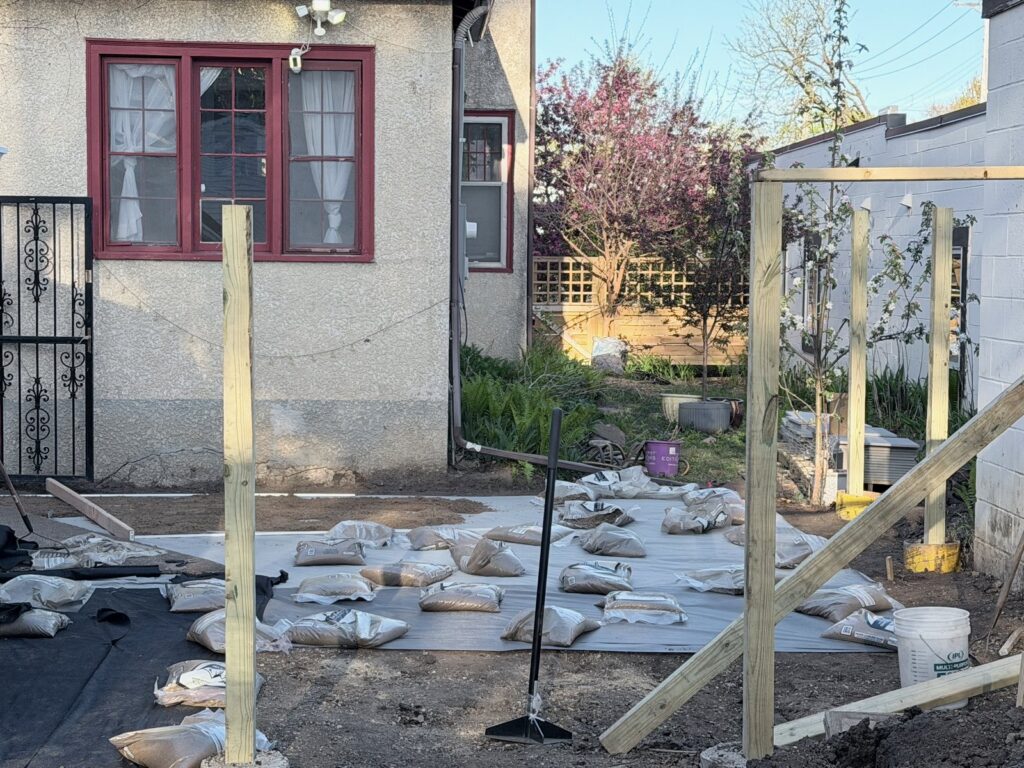
What happens next
I am still doing this, and I write down what I learn as I go. If that is useful to you, I will send you the five stages I moved through, and then the occasional note when I have something worth sending.
No spam, and you can leave in one click. The calculators and city data stay free either way.
My accounting background behind these duplex numbers

When I say I ran the numbers, I mean it professionally. I’ve spent more than a decade in corporate and public accounting, and I still do that work every day. In 2026, OnlineU featured me as an accounting expert in their guide to online accounting degrees. In September 2026, Morning Brew’s The Playbook profiled my path from the van to the duplex.
If you’ve ever looked at a listing and wondered whether you could afford it by renting out the other unit, that’s the question this site is built to help you answer. I also will put my thoughts on my experience and tools/tricks that helped me survive and, eventually, thrive.
How I research and fact-check this site
A few promises about how this site gets made, so you know what you are reading.
Where the numbers come from
Every figure traces to a named source: HUD datasets, Census American Community Survey tables, published FHA loan limits, or live listing data. Numbers that change over time get a date stamp or a link to the source so you can check the current figure yourself.
The full datasets behind these figures are published free to use with attribution on the press and data page. When a claim on this site changes materially, the change is listed in the corrections log: what it said, what it says now, and why.
How the calculators are checked
Before a calculator ships, its results are checked against worked examples, and they are re-checked whenever a tool changes.
What I will and will not write
I write from what I actually did. When a topic sits outside my first-hand experience, I say so and point to a source that knows it better. Nothing here is advice; it is education and estimates, and your lender and CPA get the final word.
AI, corrections, and independence
I use AI tools to help with research, drafting, and code, and I review what gets published. The full policy is on the disclosure page. When I get something wrong, I fix the page. If you spot an error, tell me through the contact page. Nobody pays for placement here, affiliate links are disclosed where they appear, and the free tools stay free either way.
More from Van to Vault
Get started with the newsletter!
Useful, relevant analysis, tools, tricks, and what you need to know on the journey to financial freedom. From the van years to a duplex, the plain math and none of the hype.
Subscribe and get the free $0-to-First-Property Roadmap to start.
No spam. Unsubscribe in one click.
Want the deeper toolkit? The guides and spreadsheets are in the shop, from $5, and the free tools stay free either way.