
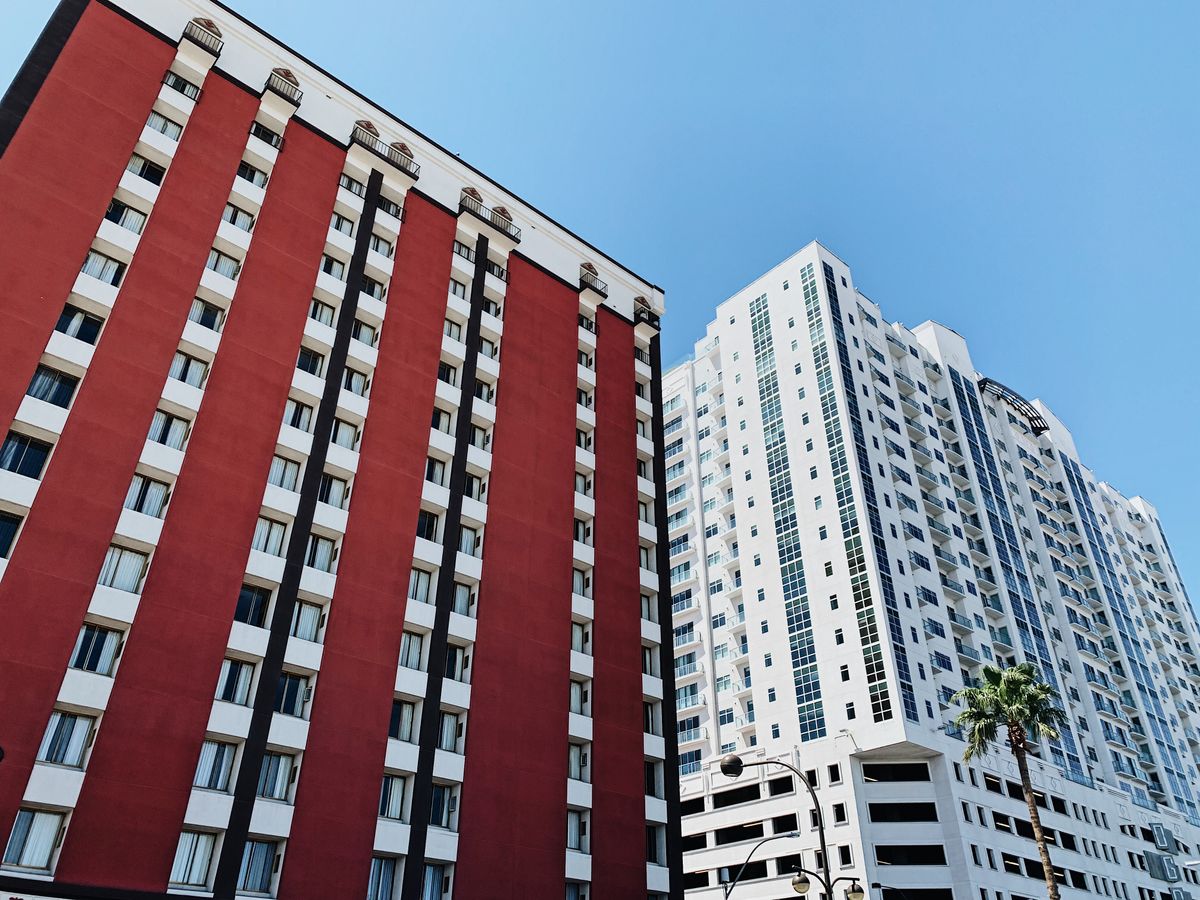
Immigration enforcement raises new home prices because it shrinks the construction workforce that builds them. Immigrants make up about 26 percent of all construction workers nationwide[S2], and about a third of workers in the construction trades, according to the National Association of Home Builders, and that share climbs above half in trades like drywall, roofing, and plastering. Fewer workers means slower builds and higher labor costs, which get passed to buyers.
One of the biggest reasons the country isn’t building enough affordable housing has little to do with interest rates. It’s about who builds the homes, and what happens to prices when there aren’t enough of them.
When people talk about why housing is unaffordable, the conversation almost always lands on mortgage rates. Rates matter, but they’re only half the story. The other half is supply. That shortage has gotten sharper in 2026, and it flows straight into the price of a new house.
We are not building enough homes, and one of the largest reasons is a shortage of the workers who physically build them.
This isn’t a political argument about immigration policy. It’s a look at how labor supply connects to home prices, because if you’re trying to buy, that connection affects what you’ll pay and what your options are. I bought a duplex and a small starter home before it, so I care about this from the buyer’s seat, not the builder’s.
If you’re new here, the foundation post is What Is House Hacking? This one is about the supply side of the market you’re buying into.
Share of construction workers who are immigrants
The construction trades lean heavily on immigrant labor, more than the headline debate suggests. Immigrants make up about 26 percent of all construction workers nationwide[S2], and about a third of workers in the construction trades, according to the National Association of Home Builders, and that share climbs above half in the trades most central to homebuilding: drywall, roofing, and plastering. These are the hands-on jobs that turn a foundation into a finished house.
That concentration means anything that reduces the immigrant workforce hits residential construction harder than almost any other part of the economy.
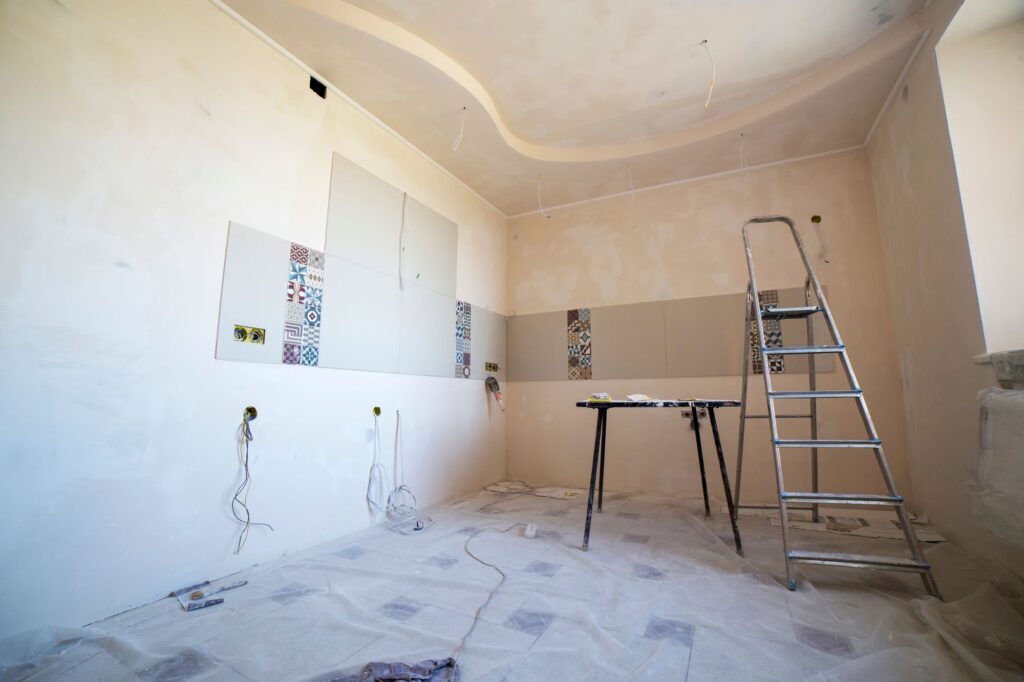
Construction labor shortage in 2026
The industry entered 2026 already short on workers and got squeezed further by stepped-up immigration enforcement. The Associated Builders and Contractors estimated the industry needed to attract roughly 349,000 net new workers in 2026 just to meet demand, a figure projected to rise to 456,000 in 2027.
At the same time, enforcement activity pulled workers off job sites.
| Enforcement effect on construction labor, 2026 | Finding |
|---|---|
| Employment rate of likely undocumented immigrants where ICE arrests jumped | Down about 1.4 percent (2 percent in the sectors where they work most)[S3] |
| Construction specifically | The hardest-hit industry, per the paper |
| Construction firms reporting workforce disruption within six months | 28 percent |
| Firms that lost workers to enforcement actions or the rumor of a raid | 10 percent |
In parts of the country this brought homebuilding to a visible halt. Reporting from Minnesota, my own state, described new-home construction stalling after an immigration crackdown, with builders unable to find enough crews to keep projects moving.
How labor shortages raise new home prices
The mechanism is simple supply and demand, running twice.
- On labor itself. When there are fewer workers than jobs, the workers who remain command higher wages, and builders either pay up or leave projects unfinished. The NAHB put the direct cost of those longer construction times at about $2.7 billion a year, and the wider economic cost of the same delays at about $10.8 billion.[S1] Those higher labor costs and delays get folded into the price of the finished home.
- On the homes themselves, and this one is bigger. Fewer workers means fewer houses get built. When the country adds fewer new homes than it needs, total supply stays tight, and tight supply holds prices up across the whole market, not just on new construction. Every home that doesn’t get built keeps competition high for the ones that already exist.
So the buyer feels it two ways: new homes cost more to build, and the shortage of new homes props up the price of existing ones too.
What a buyer can actually do about it
You can’t fix the national labor supply. What you can do is stop competing only in the part of the market where the squeeze is worst.
The affordability answer isn’t waiting for a flood of cheap new homes that the labor math says isn’t coming soon. It’s changing the kind of purchase you make. House hacking lets you buy in today’s tight market and have the property help pay for itself, which is how you make an expensive market survivable rather than waiting it out on the sidelines.
A big share of the housing affordability problem is a building problem, and a big share of the building problem is a labor problem.
A few practical angles.
- Existing small multifamily properties, like duplexes and triplexes, sidestep the new-construction premium entirely and give you a built-in rental unit.
- A modest older starter home in a decent area is cheaper than a new build and can still carry a basement apartment or a rented room.
- Any purchase where a tenant covers a chunk of the payment insulates you from a market where prices aren’t falling.
Run a real listing through the free house hacking calculator to see what your true monthly cost would be once rent is helping. If you’re weighing an existing multifamily against renting, the rent vs. buy vs. house hack tool lays the paths side by side. And the readiness roadmap tells you how close you are to qualifying right now.
Why new construction costs more than existing homes
A big share of the housing affordability problem is a building problem, and a big share of the building problem is a labor problem. In 2026 that labor shortage got worse, which keeps both new-home prices and overall supply working against buyers. You can’t change that from where you sit. You can change what you buy, so that a tight, expensive market becomes something you participate in with a tenant’s help rather than something you keep waiting to escape.
Labor is one input. For how conflicts move borrowing costs, see wars, global events, and mortgage rates.
If new homes keep pricing out of reach, the question becomes whether renting or buying wins for you right now.
Rent vs. Buy Calculator. It compares renting, owning and house hacking side by side using your own rent, price and time horizon. Rising build costs move that comparison, so it is worth rerunning as prices change.
Frequently asked questions
What share of construction workers are immigrants?
Immigrants make up about 26 percent of all construction workers nationwide and about a third of workers in the construction trades, according to the National Association of Home Builders. In the trades most central to homebuilding, drywall, roofing and plastering, the share climbs above half.
How does a construction labor shortage raise home prices?
A construction labor shortage raises home prices through supply and demand running twice. First, fewer workers than jobs means higher wages and longer builds, which get folded into the price of the finished home. Second, fewer homes get built, so total supply stays tight and prices are held up across the whole market, including existing homes.
How big is the construction labor shortage in 2026?
The construction labor shortage in 2026 is defined by the Associated Builders and Contractors’ estimate that the industry needed roughly 349,000 net new workers just to meet demand, rising to 456,000 in 2027. An NBER working paper found employment among likely undocumented workers fell about 2 percent in the most exposed sectors where ICE arrests jumped, with construction hit hardest, and 28 percent of construction firms reported enforcement-related workforce disruptions.
What can a homebuyer do about high new construction costs?
A homebuyer sidesteps the new-construction premium by buying existing small multifamily, such as a duplex or triplex, or a modest older starter home that can carry a basement apartment or rented room. Any purchase where a tenant covers a chunk of the payment insulates you from a market where prices are not falling.
Get started with the newsletter!
Useful, relevant analysis, tools, tricks, and what you need to know on the journey to financial freedom. From the van years to a duplex, the plain math and none of the hype.
Subscribe and get the free $0-to-First-Property Roadmap to start.
No spam. Unsubscribe in one click.
Want the deeper toolkit? The guides and spreadsheets are in the shop, from $5, and the free tools stay free either way.
Sources
- Trump’s immigration crackdown is worsening the construction labor shortage, Fortune
- Immigration Reform Is Key to Building a Skilled Workforce, NAHB
- The US may already have a negative immigration rate. That’s bad for construction, Construction Dive
- New home construction stalls after immigration crackdown in Minnesota, CNN Business
- ABC: Construction Industry Must Attract 349,000 Workers in 2026 Despite Macroeconomic Headwinds, Associated Builders and Contractors (January 15, 2026)
- [S1] www.nahb.org, read 24 September 2026: “The study estimates an aggregate economic impact of $10.806 billion per year due to longer construction times associated with the skilled labor shortage." "The direct cost impact of extended construction times amounts to $2.663 billion annually.” www.nahb.org.
- [S2] NAHB Eye on Housing, read 24 September 2026: “Immigrants' share of the construction workforce reached a record high in 2024, with foreign-born workers accounting for more than a quarter of the industry's labor force (26.3%).” eyeonhousing.org.
- [S3] National Bureau of Economic Research (Elizabeth Cox and Chloe N. East), ‘Labor Market Impacts of ICE Activity in Trump 2.0’, Working Paper 35129, read 24 September 2026: “there is a significant 1.4% reduction in the employment rate of likely undocumented immigrants overall, and a 2% reduction in sectors where undocumented immigrants are over-represented” www.nber.org.
I’m not a guru, and the tools here are free. If you want more posts like this as I write them, subscribe on the blog, or if you’ve found a place and want a second pair of eyes on the numbers, send me the deal.