
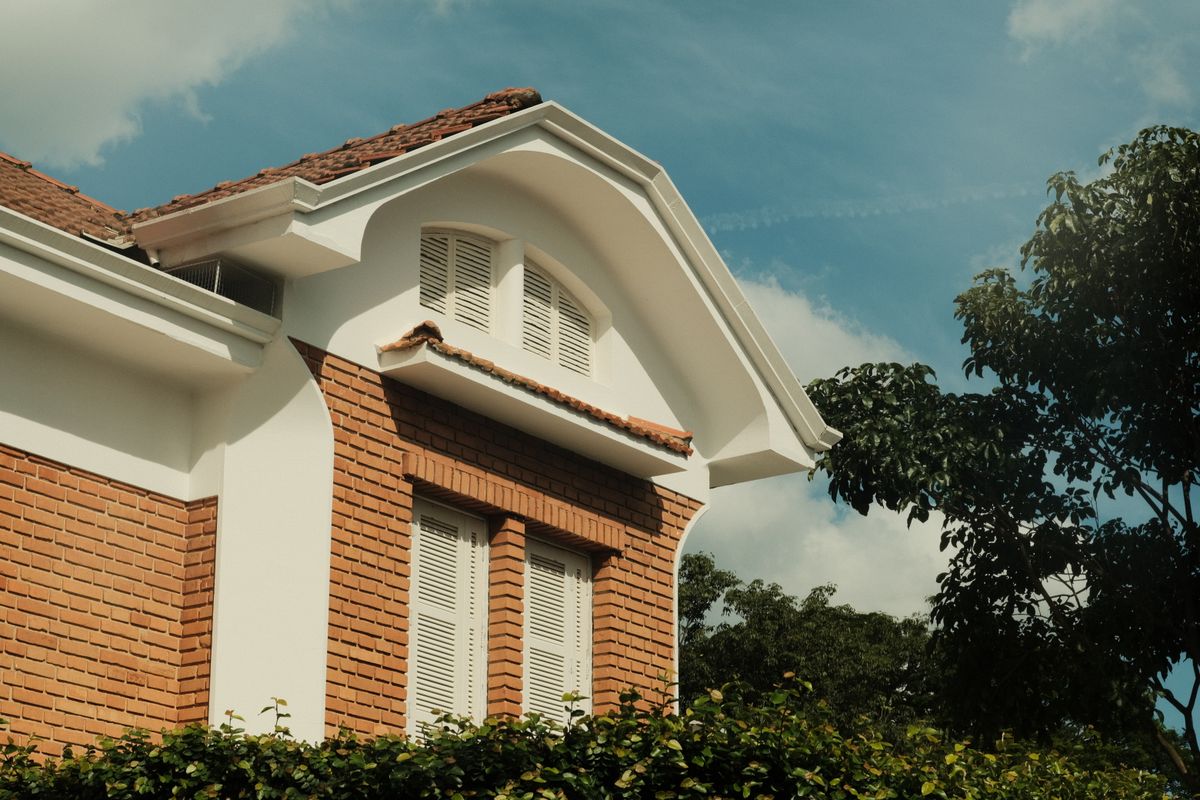
House hacking means buying a small multifamily property (2 to 4 units), living in one unit, and renting out the others so the tenants’ rent covers most or all of your mortgage. With an FHA loan you can do this with as little as 3.5% down, as long as you live in the building for at least a year.
A plain walkthrough of how to buy a home that helps pay for itself, even if you have very little saved and no family money behind you.
House hacking is buying a place to live, renting out part of it, and using that rent to cover most or all of your housing payment. That’s the whole idea. You’re not becoming a landlord with a portfolio of properties. You’re buying one home and letting a tenant, a roommate, or a short-term guest carry a big share of the cost.
Where I started, and what I had
I started from a genuinely bad financial position. I spent about thirteen months living in a van, still had massive debt, and almost no savings, less than $2,000.
A handful of years later I owned a duplex, lived on one side, and the rent from the other side plus a basement Airbnb dropped my actual housing cost to a fraction of the full payment.
Most of the advice online assumes you already have savings, good credit, and a cushion. I didn’t have any of those when I started, except “okay” credit.
If you want the full background first, I wrote a complete explainer here: What Is House Hacking? This post is the practical starting point.
What house hacking actually requires
House hacking needs three things: a loan you qualify for, a down payment you can reach, and a property whose rent covers enough of the payment to work.
There are only three things you need to line up:
- A loan you qualify for.
- A down payment you can reach.
- A property where the rent covers enough of the payment to make the math work.
Everything else is detail.
People assume the down payment is the wall. It’s the part most beginners can clear with the right loan. The harder parts are usually credit and steady income, because those decide whether a lender will work with you at all. So before you save a dollar, find out where your credit stands and whether your income has been stable enough to document. That tells you how far away you really are.
You probably need less cash than you think
An FHA loan on a one-to-four-unit home you live in needs as little as 3.5 percent down: about $10,500 on a $300,000 duplex instead of $60,000.

The biggest myth is that you need 20 percent down. A rental you don’t live in needs even more: on a two-to-four-unit building, Fannie Mae’s limit means 25 percent down.[S1] When you live in the home yourself, the rules are different and far easier.
An FHA loan lets you buy a one-to-four-unit property with as little as 3.5 percent down, as long as you live in one of the units.
| Down payment on a $300,000 duplex | Amount |
|---|---|
| Owner-occupant, FHA at 3.5 percent | About $10,500 |
| Investor, 25 percent down | $75,000 |
I bought my duplex with an FHA loan at 3.5 percent down, which came to about $16,450 on a $470,000 property. I’ve written a full breakdown of how that loan works here: FHA House Hacking With 3.5% Down.
One condition on that 3.5%: it applies at a credit score of 580 or higher. Between 500 and 579 you are still eligible for an FHA loan, but HUD caps it at 90% of the price, so you would need 10% down. Below 500 there is no FHA insurance at any down payment. HUD sets the floor and lenders commonly set theirs higher, so a score in the 500s means more shopping.
Other low-down-payment paths
Some states and counties run first-time-buyer programs that cover part or all of the down payment. I used a county program to get into my first home, a $185,000 starter house I never could have bought otherwise.
These programs are not advertised well, so many buyers never find out they qualify. Search your state housing finance agency and your county by name along with “first-time homebuyer assistance.” It’s worth an afternoon.
| Way in | Cash down |
|---|---|
| FHA at 3.5 percent on a $300,000 duplex you live in | About $10,500 |
| Investor loan at 25 percent on the same duplex | $75,000 |
| FHA at 3.5 percent on my $470,000 duplex | About $16,450 |
How to think about the numbers
Compare your share of PITI after rent to what you pay to rent now. My duplex runs about $2,880 PITI; the upstairs tenant pays about $1,200 and the basement covers more.
Here is the math that matters. You want the rent you collect to cover as much of your monthly payment as possible.
Your monthly payment is usually called PITI: principal, interest, taxes, and insurance.
| My duplex, monthly | Amount |
|---|---|
| PITI, the full payment | About $2,880 |
| Upstairs tenant rent | About $1,200 |
| Basement Airbnb | More on top of that |
| My own out-of-pocket cost | A few hundred dollars |
Figures are approximate; the ledger posts carry the exact numbers.
So instead of paying about $2,880 to live there, my own out-of-pocket cost drops to a fraction of the payment.
You don’t need the rent to cover 100 percent of the payment for this to be a good deal.
Compare it to what you’d otherwise pay in rent. If you currently pay $1,400 a month to rent an apartment and you could own a duplex where your share of the payment is $900, you’re ahead, and you own an asset that builds equity while a tenant helps pay it down.
When you’re ready to test a real listing, run it through the free house hacking calculator. Put in the price, the rent the other unit could bring, and your loan terms, and it shows you what your actual monthly cost would be. Do this before you fall in love with any property.
A realistic order of operations
Pull your credit, stabilize documented income, find state and county down payment help, save for closing costs, get pre-approved, then shop for real rent.

If you’re starting from almost nothing, here’s the sequence I’d follow.
- Pull your credit and look at your score and what’s dragging it down. You don’t need perfect credit for an FHA loan, but you need it good enough to qualify, and small fixes can take months to show up.
- Get your income documented and stable. Lenders want to see steady, provable income. If you’re self-employed or piecing together gig work, this is the part to shore up early, because it’s the slowest to fix. I was working in consulting when I decided to buy the duplex, and as a result I actually switched to W-2 work, to make the process easier. I know that isn’t an option for everyone, but highlight it to illustrate the point: how you make your money, the stability of that, is extremely important to lenders!
- Find out what down payment help exists where you live. Check your state housing agency and county programs before you assume you have to save the whole amount yourself.
- Save what you can while those pieces come together. Even with assistance, you’ll want a few thousand dollars for closing costs, inspections, and an emergency buffer. I wrote a full post on how I built a down payment from a low income here: How I Saved a Down Payment From Almost Nothing.
- Get pre-approved with a lender who has done FHA and first-time-buyer loans before. A lender who knows these programs will save you from a lot of dead ends.
- Shop for a property where the second unit’s rent does real work. A duplex is the classic house hack, but a single-family home with a basement apartment, a finished garage, or even a spare bedroom you rent to a roommate all follow the same logic.
If You Need a Stepping Stone: Start small and Unimpressive
A small, unimpressive first home under 800 square feet built the equity that became the down payment on the duplex. Get on the ladder cheaply, upgrade later.
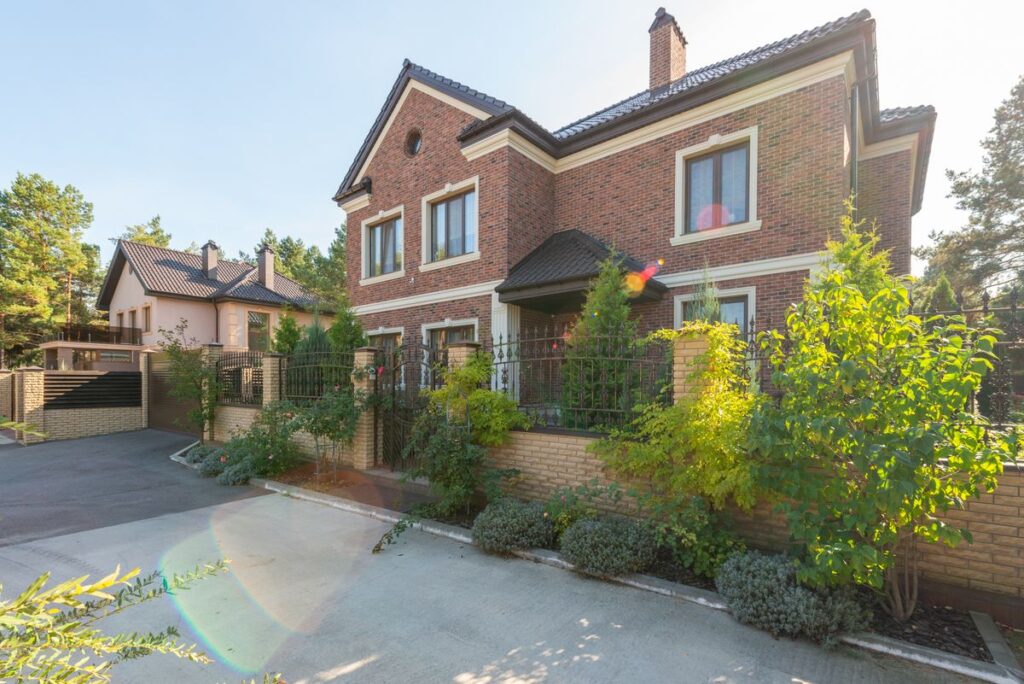
My first house was less than 800 square feet, in an okay (at best) neighborhood. It was not the dream. It was the cheapest reasonable thing I could buy with help, and that’s exactly why it worked.
A small, affordable first purchase builds equity you can later roll into something bigger. The starter home gave me the equity that eventually became the down payment on the duplex.
If I’d waited for a place I was proud of, I’d still be renting.
The goal at the beginning isn’t a beautiful home. It’s getting onto the ownership ladder at the lowest possible cost, with a tenant helping you carry it. You can upgrade later.
What to do this week
Find out how far you are from qualifying: the free readiness roadmap checks credit, income and savings and tells you which lever to pull first.
You don’t need to buy anything soon to start. The first real step is figuring out how far you actually are from qualifying, because that number is almost always different from what people assume. Sometimes you’re two years out. Sometimes you’re closer than you think and just need to find the right program.
The readiness roadmap tool walks you through your credit, income, and savings and shows you which lever to pull first. It’s free, there’s no account, and it’ll tell you whether your next move is fixing credit, documenting income, or starting to shop. That’s the right place for a beginner to start.
I’m not a guru, and the tools here are free. If you want more posts like this as I write them, subscribe on the blog, or if you’ve found a place and want a second pair of eyes on the numbers, send me the deal.
- Starting with debt does not disqualify you. Here is how house hacking can help you pay off debt instead of waiting until it is gone.
- You also do not have to do it alone. Some buyers are teaming up with family, like the Gen Z multigenerational house hack.
- Before you pay anyone to teach you any of this, it is worth reading is real estate investing a scam, on separating the asset from the sales pitch.
Related reading: how to buy a duplex and live in one side, a free BiggerPockets-style calculator.
Get started with the newsletter!
Useful, relevant analysis, tools, tricks, and what you need to know on the journey to financial freedom. From the van years to a duplex, the plain math and none of the hype.
Subscribe and get the free $0-to-First-Property Roadmap to start.
No spam. Unsubscribe in one click.
Want the deeper toolkit? The guides and spreadsheets are in the shop, from $5, and the free tools stay free either way.
Sources
- U.S. Department of Housing and Urban Development, Single Family Housing Policy Handbook 4000.1. Where the 3.5% owner-occupant minimum, the one to four unit limit and the requirement to live in the building are written down.
- U.S. Department of Housing and Urban Development, Buying a Home. The federal jumping off point for the state and county first-time buyer programs I keep telling people to go looking for.
- Consumer Financial Protection Bureau, How do I get a free copy of my credit reports? Step one in the order of operations above, at no cost.
- Consumer Financial Protection Bureau, Buying a house. The agency walkthrough of pre-approval, loan comparison and closing, which is the process the steps here sit inside.
- [S1] Fannie Mae, Eligibility Matrix (5 August 2026), checked September 2026: on an investment-property purchase underwritten through DU, the maximum loan-to-value is 85% for one unit and 75% for two to four units. singlefamily.fanniemae.com.
Frequently asked questions
How much do you need to start house hacking?
The entry cost is defined as the down payment plus closing costs and a small repair buffer, not the twenty percent figure most people picture. An FHA loan on a $300,000 duplex you live in needs about $10,500 down instead of $60,000, and county programs can cover part of even that.
What credit score do you need to house hack?
A qualifying score is defined as one high enough for the specific loan program rather than a perfect number. FHA is relatively forgiving here, and in practice credit and documented, steady income decide whether a lender will work with you long before the down payment does.
Can you house hack with no savings?
Yes, in the sense that the down payment is the part most beginners can solve. A first-time buyer assistance program is defined as a state or county fund that covers part or all of the down payment for qualifying buyers. I used a county program to buy a $185,000 starter house I could not otherwise have bought.
Does the rent have to cover the whole mortgage?
No, and the comparison that matters is defined differently. Effective housing cost is what you personally pay each month after the rent lands, so the test is whether that beats your current rent. On my duplex the full payment runs about $2,880 and the upstairs tenant pays around $1,200, with the basement covering more on top.
The fastest way to understand house hacking is to run one set of numbers.
Free House Hacking Calculator. Drop in a price, a rent and your loan terms and it shows what you would pay out of pocket each month with a tenant in the other unit. Change one input at a time to see what moves the payment.