

I saved a down payment by attacking the biggest expense instead of small ones. I moved into a van to cut rent to zero, then left a coastal city where a starter home cost about $700,000 for the Midwest, where the same house cost about $200,000. I bought a $185,000 starter home, and its equity later became the $16,450 down payment on a $470,000 duplex.
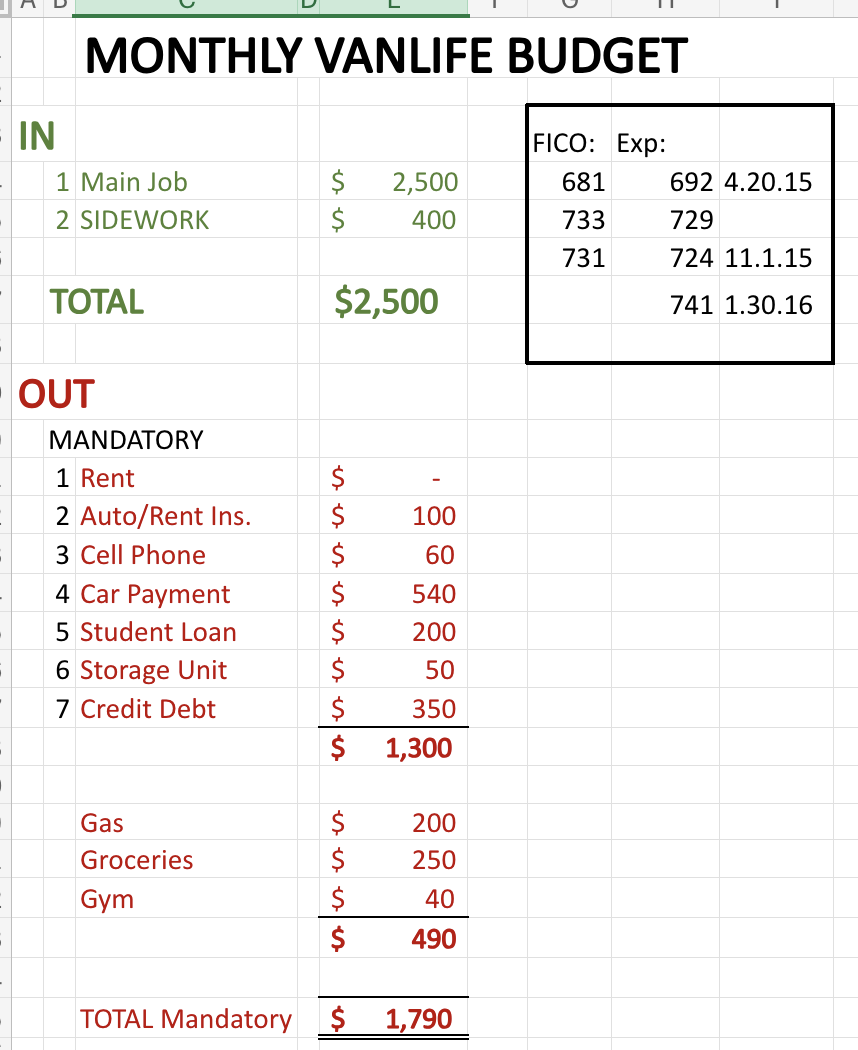
Step 1: I stopped paying for housing I couldn’t afford

Step 2: I moved where the math worked

Step 3: I bought a small, unimpressive first house

Step 4: I let that house build the next down payment
This is the quiet engine of the whole story. A few years later, the equity from that $185,000 house became the $16,450 down payment on a $470,000 duplex. I didn’t save the duplex down payment from my paycheck, a small, affordable purchase grew it for me. That’s the part nobody puts in a thumbnail: one modest house you can actually afford turns into the down payment on a bigger one. Repeat.What actually moved the needle
If I strip it down, four things did the work:- Killing the biggest expense (housing) instead of trimming small ones.
- Moving to where my dollars bought more.
- Buying small first instead of waiting for “the one.”
- Staying cheap longer than was fun while equity compounded.
Stuck on where to start? Tell me your situation. I’ve been at zero, actually below it.
Saving the down payment was just one piece, here’s the whole strategy it paid for.
Gig work helped, but only once I figured out what my time was actually worth.
The other thing that made this possible was accepting there would be no family help. More in real estate investing without rich parents.
I had help too: a county first-time-buyer program covered part of my first down payment. Check whether your metro runs assistance that allows a small multifamily purchase first. I recorded what I found for all 83 metros in the down payment assistance survey.
Get started with the newsletter!
Useful, relevant analysis, tools, tricks, and what you need to know on the journey to financial freedom. From the van years to a duplex, the plain math and none of the hype.
Subscribe and get the free $0-to-First-Property Roadmap to start.
No spam. Unsubscribe in one click.
Want the deeper toolkit? The guides and spreadsheets are in the shop, from $5, and the free tools stay free either way.
Sources
- U.S. Bureau of Labor Statistics, Consumer Expenditure Surveys. The national spending tables that show housing as the largest single category of household spending, which is why cutting that line does more than trimming a dozen small ones.
- U.S. Census Bureau, New Residential Sales. Median sales prices published by region, the published version of the coastal versus Midwest gap the move was built on.
- Federal Housing Finance Agency, House Price Index. The quarterly measure of house price change that describes how equity accumulates in a house you already own.
Frequently asked questions
How do you save a down payment on a low income?
A down payment fund is defined as the cash you set aside for the upfront share of a home purchase. On a low income it grows fastest when you cut the largest line in your budget instead of several small ones, and for most households that line is housing. I cut mine to near zero by living in a van, then moved to a market where a starter home cost about $200,000 instead of about $700,000.
Does moving to a cheaper city help you buy a home?
Yes. Cost of living is defined as what the same life costs in one place compared with another, and it behaves like a variable rather than a fixed cost. The starter home that ran about $700,000 in my old coastal city cost about $200,000 in the Midwest, which is what turned owning from never into within a year.
Can equity from a first house pay the down payment on the next one?
Yes. Equity is defined as the share of a property you own outright, meaning its value minus what you still owe on it. The equity in my $185,000 starter home became the $16,450 down payment on a $470,000 duplex a few years later, so the second down payment never came out of a paycheck.
How big should a first house be?
A starter home is defined as a modest first purchase you can afford now rather than the house you eventually want. Mine was under 800 square feet and built in the 1940s, and it did its job precisely because it was small enough to buy.
Saving like this feels slow until you can see the finish date.
See how many months until your first down payment. Enter your target and what you can set aside each month and it gives you the month you get there. Seeing a date is what kept me going when the balance was still small.