
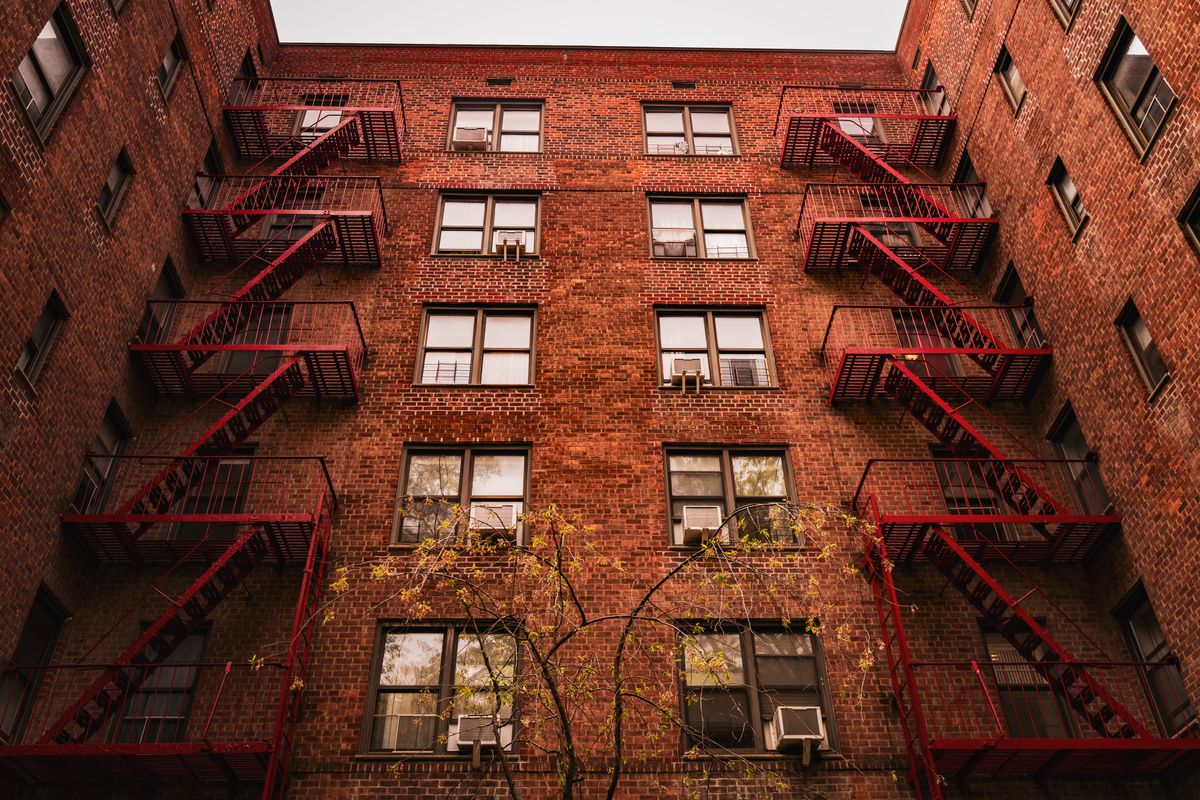
| Step in the depreciation math | Duplex example |
|---|---|
| Building value, land excluded | $300,000 |
| Share of the building rented out | Half |
| Depreciable amount | $150,000 |
| Recovery period | 27.5 years |
| Deduction each year | About $5,450 |
Depreciation is defined as a yearly tax deduction that lets rental property owners write off part of the building’s value even though no cash left your pocket that year. Only the building counts, not the land, and residential rentals are spread over 27.5 years. On a duplex with a $300,000 building where half is rented, you would depreciate $150,000 over 27.5 years, about $5,450 a year.
The deduction that lets you write off money you didn’t spend. Broken down in plain English.
Depreciation is the most powerful tax benefit in real estate and the one beginners understand the least. It’s simpler than it sounds, and once it clicks, you’ll see why the tax code favors landlords.
Usual disclaimer: this is not tax advice, and I’m not your accountant. This is the concept in plain English; confirm the specifics for your situation with a CPA.
What rental property depreciation is
When you buy a rental, the IRS assumes the building slowly wears out over time. So it lets you deduct a piece of the building’s value every year as an expense, even though you didn’t spend any cash that year. That’s depreciation: a paper expense that lowers your taxable income without touching your bank account.
How the 27.5-year depreciation schedule works
A few rules that matter:
- Only the building depreciates, not the land. You split the purchase price between the two (the county assessor’s ratio is a common starting point). Land doesn’t wear out, so it doesn’t count.
- Residential rental property depreciates over 27.5 years. Take the building’s value, divide by 27.5, and that’s roughly your annual deduction.
- House hackers depreciate only the rented portion. Since you live in part of the building, you depreciate the share that’s a rental, by square footage or units.
Depreciation example on a duplex
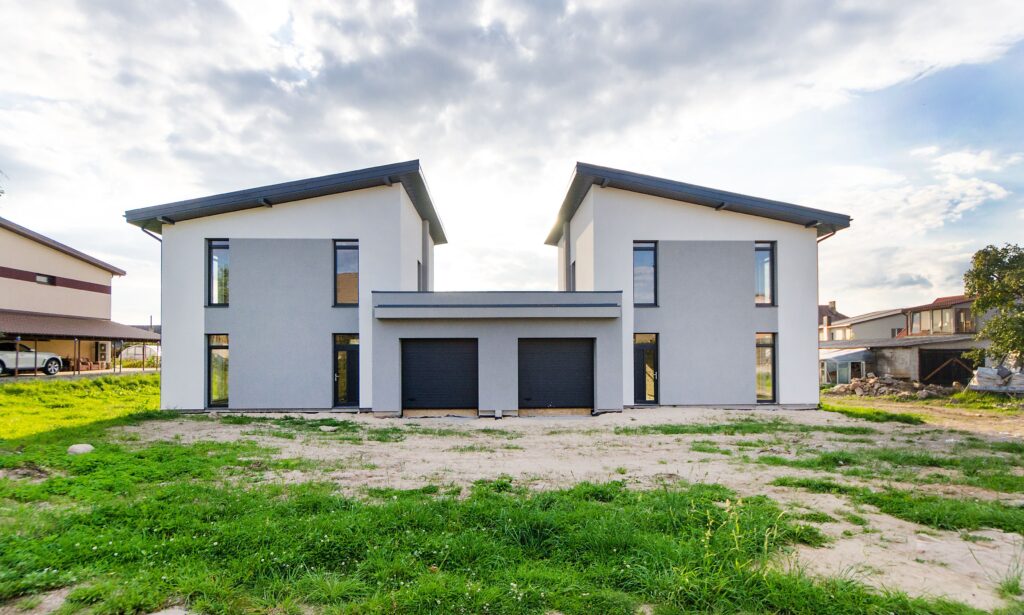
Say the building (not the land) on a duplex is worth $300,000, and half is rented. You’d depreciate $150,000 over 27.5 years, about $5,450 a year in deductions you didn’t pay cash for. That is the full-year figure. In the year the unit first becomes available to rent, the IRS counts from the middle of that month (the mid-month convention): a unit ready to rent in July gets 5.5 of 12 months, about $2,500 that first year (IRS Publication 527, Table 2-2d gives July as 1.667%), and the last year is short the same way. That number lands on your return as an expense and can erase a big chunk of your rental income, sometimes all of it.
That’s why a house hack can collect real rent and still show little or no taxable profit. The cash is in your pocket; the “loss” is on paper.
Depreciation recapture when you sell
Depreciation isn’t free forever. When you sell, the IRS “recaptures” the depreciation you took and taxes it, and it counts the depreciation you were allowed to take whether or not you claimed it (“allowed or allowable”, Publication 527): skipping the deduction does not avoid the recapture, so if you missed years, have a tax professional fix the filings rather than ignore it. So it’s partly a deferral, you get the deduction now and settle up later. That’s still valuable (money now beats money later), and there are strategies like a 1031 exchange to push it further down the road, but you should know it’s coming. Don’t be surprised at the closing table.
Why it matters for house hackers

Depreciation is a big reason real estate beats most investments on an after-tax basis. You get rent, loan paydown, appreciation, and a deduction that shelters the income. For a regular earner trying to build wealth, that stack is hard to beat.
The practical move: keep clean records of your purchase price, your land/building split, and your rental percentage from day one. That’s what makes the deduction defensible instead of a guess.
Depreciation is a paper expense that lowers your taxable income without touching your bank account.
See how the rest of the deal pencils out in the calculator, depreciation is the part it can’t show you, but it makes a working deal even better.
Want the depreciation math on your specific property? Send me the details.
For the full picture of how this fits together, see what house hacking is.
Get started with the newsletter!
Useful, relevant analysis, tools, tricks, and what you need to know on the journey to financial freedom. From the van years to a duplex, the plain math and none of the hype.
Subscribe and get the free $0-to-First-Property Roadmap to start.
No spam. Unsubscribe in one click.
Want the deeper toolkit? The guides and spreadsheets are in the shop, from $5, and the free tools stay free either way.
Sources
- Internal Revenue Service, Publication 527, Residential Rental Property. The source for the 27.5 year residential recovery period, the rule that land is not depreciable, and how to handle a property you live in part of. Read again 4 October 2026 for the mid-month convention (Table 2-2d: July, 1.667%) and the rule that basis is reduced by depreciation “allowed or allowable” (Claiming the Correct Amount of Depreciation). Revised 4 October 2026: the $5,450 is labelled a full-year figure and the recapture section says allowed-or-allowable rather than “the depreciation you took”.
- Internal Revenue Service, Publication 946, How To Depreciate Property. The general depreciation rules and tables behind the yearly deduction described here.
- Internal Revenue Service, Like-kind exchanges, real estate tax tips. The agency page on 1031 exchanges, the deferral route mentioned in the recapture section.
Frequently asked questions
What is depreciation on a rental property?
Depreciation is defined as a yearly tax deduction that lets a rental owner write off part of the building value even though no cash left the bank account that year. It is a paper expense, so it lowers taxable income without lowering the rent you actually collected.
How many years do you depreciate a rental property?
The residential recovery period is defined as 27.5 years. You take the value of the building, leave the land out of it, divide by 27.5, and that is roughly the deduction you claim each year.
Can you depreciate a house hack?
Yes. A house hack is defined as a property where you live in one part and rent out another, and only the rented share is depreciable. You split it by square footage or by units, so on a duplex with a $300,000 building where half is rented you depreciate $150,000, about $5,450 a year.
What is depreciation recapture?
Depreciation recapture is defined as the tax charged, once you sell the property, on the depreciation you claimed or were allowed to claim; the IRS reduces your basis by the allowable amount even if you never took the deduction. It makes depreciation partly a deferral rather than a permanent break, which is why the deduction is worth planning around instead of being surprised by at closing.
Run a building through the math instead of guessing at it.
The free house hacking calculator. Put in a price, a rent and your loan terms, and it returns your real monthly cost in a few seconds.