
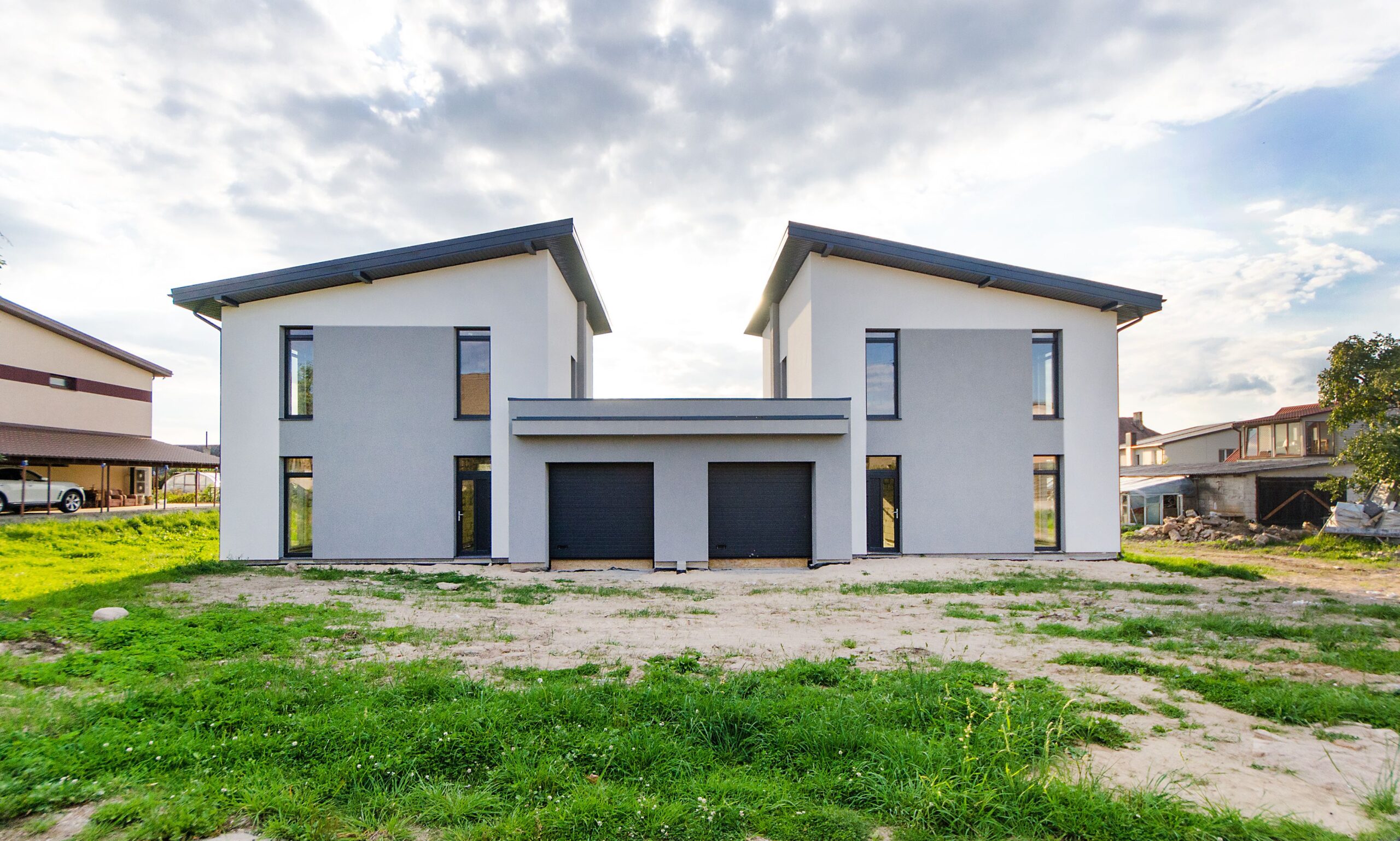
A single family starter home is simpler, cheaper to buy, easier to sell, and costs you the full payment every month. A duplex costs more up front, comes with a tenant and a second set of problems, and hands you back part of the payment for as long as you own it. The short version is that the duplex wins on money and loses on peace, and which one is right depends on how much of each you have.
The tradeoff in one table
A single family starter is cheaper and simpler; a duplex costs more, adds a tenant, and hands back part of the payment every month you own it.
| What matters | Single family starter | Duplex you live in |
|---|---|---|
| Purchase price | Lower | Higher |
| Down payment percentage | Same on FHA and VA; from 3% conventional | Same on FHA and VA; from 5% conventional |
| How much you may borrow | Less | About 28 percent more |
| Who pays the mortgage | You | You and a tenant |
| Privacy | Complete | You share a wall |
| Effort after closing | Homeowner | Homeowner and landlord |
| Buyer pool when you sell | Everyone | Smaller, but includes investors |
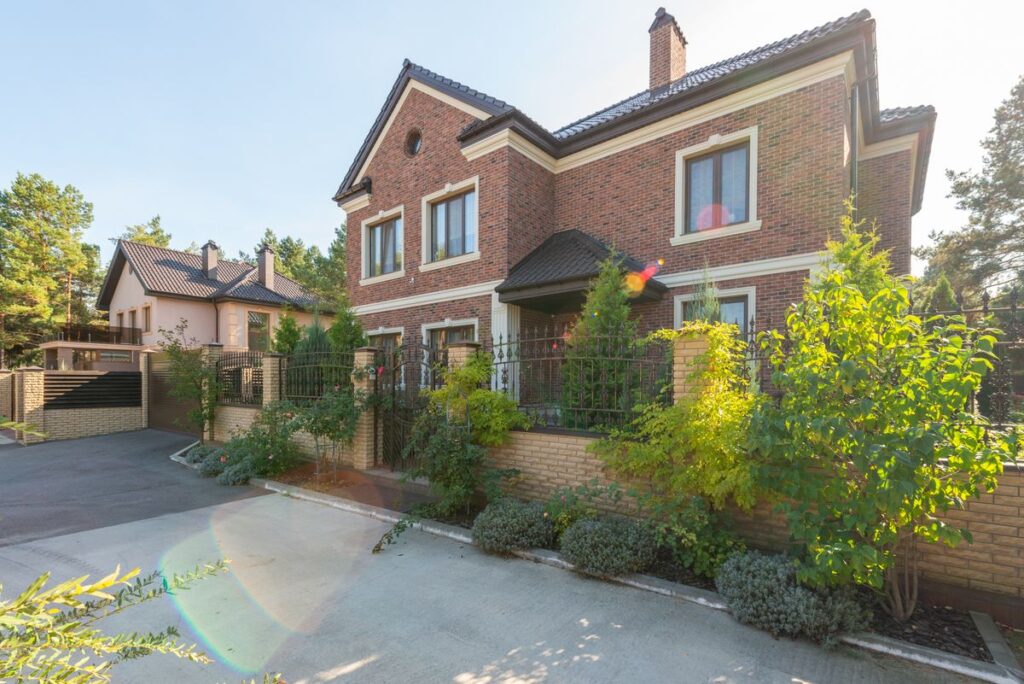
A duplex raises your borrowing limit, on the same loan
Conforming loan limits are set per unit: $832,750 for one unit and $1,066,250 for two units in 2026, about 28 percent more borrowing room on the same loan.
This is the fact that changed how I looked at the whole question.
Loan limits are set per unit, not per building
For 2026 the baseline conforming loan limit is $832,750 for a one unit property and $1,066,250 for a two unit property in most of the country. That is roughly 28 percent more borrowing room, using the same owner occupied loan, because the second unit exists.
So the duplex being more expensive is not the obstacle it looks like on a listing site. The ceiling moves up with the building.
On FHA and VA, the down payment percentage does not change
FHA needs the same low down payment on a two to four unit home you live in as on a single family; VA still needs none with full entitlement.
An FHA loan on a two to four unit property you will live in uses the same low down payment as a single family home. A VA loan on a duplex still requires no down payment for an eligible borrower with full entitlement. On FHA and VA the percentage is the same; only the price it is applied to is different. On a conventional loan it rises from 3% to 5% for a duplex.
What the cash difference really is
The real cash difference is the dollar amount, and that is where down payment assistance that permits two to four unit properties matters more than the sticker price suggests. I checked all 83 metros for it, because programs that allow a duplex are much rarer than programs that allow a house.
Where the tenant actually covers enough to matter
Whether rent covers enough to make owning cheaper than renting is entirely local; the Foothold Index measures that gap across 83 metro areas.
The interesting question is not whether a duplex generates rent. It is whether the rent covers enough that owning costs you less per month than renting would. That answer is entirely local, and it is what I built the Foothold Index to measure across 83 metro areas.
In some markets the gap is meaningful, in others the extra cost of the duplex eats the whole benefit. The underlying data is free to download if you want to check your own metro rather than take my word for it.
Two units is the sweet spot, and here is why
FHA applies a self sufficiency test to three and four unit properties that duplexes skip, so a duplex gets most of the benefit with the fewest hurdles.
If a duplex is good, a fourplex should be better. It usually is not, for first time buyers, because FHA applies a self sufficiency test to three and four unit properties that two unit properties do not have to pass. I wrote that up in detail in FHA versus conventional for house hacking. The short version is that a duplex gets you most of the benefit with the fewest extra hurdles.
What you actually give up
A duplex means sharing a wall, being a landlord on day one, vacancy hitting your own housing cost, a smaller buyer pool, and repairs that scale by two.
I do not want to sell you the upside without the cost, so here it is plainly.
- You share a wall. Noise, smells, and someone else’s schedule become part of your home.
- You are a landlord on day one. Not eventually, not when you feel ready. The first tenant call comes whether or not you have read the landlord tenant statute.
- Vacancy hits your own housing cost. When the unit is empty you are paying a duplex payment on a single income.
- Your buyer pool is smaller. Fewer people want to live next to a tenant. You gain investor buyers, but the pool changes shape.
- Repairs scale. Two kitchens, two water heaters, two sets of everything that breaks.
What I actually did
I bought a $185,000 single family starter first; its equity built the down payment for the $470,000 duplex. Slower than a duplex first, but it worked.
I did not start with a duplex. I bought a $185,000 single family starter home first, and that house is what built the down payment for the $470,000 duplex I bought after it. So my answer to “which one first” is that the starter home was not a mistake, it was the step that made the duplex possible.
What I would do differently
If I had it to do again with what I know now, I would still look hard at whether a duplex was reachable at the start, because the years the tenant would have been paying down my loan are years I do not get back. But I would not pretend the single family route failed. It worked. It was just slower.
Work this before you decide
Price a comparable house and duplex the same day, get a real rent comp, run full payments, subtract 8 to 10 percent for vacancy, and check DPA rules.
- Price a comparable single family and a comparable duplex in the same neighborhood, on real listings, on the same day.
- Get a rent comp for the second unit from actual local listings, not a rule of thumb.
- Run the full monthly payment on both, including taxes and insurance, which are usually higher on the duplex.
- Subtract 8 to 10 percent of the rent for vacancy before you call it income, because the unit will not be occupied every month of every year.
- Check whether your metro has down payment assistance that permits two to four units.
- Ask yourself the non financial question: are you willing to be a landlord starting the week you move in?
If the duplex wins for you, the next question is how you rent the second unit, and renting by the room versus renting the whole unit changes both the income and the loan. Veterans have a separate path worth reading first: using a VA loan on a duplex or fourplex.
Put both prices through the same payment math.
The free mortgage calculator. Run the single family price and the duplex price, then subtract a realistic rent from the duplex payment and compare what each one actually costs you per month.
Questions people ask
Is a duplex harder to get a loan on than a single family home?
Not on FHA or VA. Both allow owner occupied purchases of two to four unit properties on the same down payment as a one unit home. A conventional loan is different: 3% down is for one unit only, and a duplex you live in needs 5%. The underwriting differences show up in whether the rental income counts toward qualifying and, on VA loans, in landlord experience and reserve requirements.
Can I borrow more for a duplex than a house?
Yes. Loan limits are set per unit. In 2026 the baseline conforming limit is $832,750 for one unit and $1,066,250 for two units in most of the country.
Why not just buy a fourplex?
FHA applies a self sufficiency test to three and four unit properties that two unit properties do not have to pass, which makes duplexes considerably easier for a first purchase.
Does a duplex cost more to insure and maintain?
Generally yes. You are insuring and maintaining two dwellings, and carriers price landlord exposure differently than owner occupancy. Get a real quote on a real address before you build it into your numbers.
What is a starter home?
A starter home is defined as a modest, lower priced single family house bought as a first purchase, chosen for affordability and location rather than size.
Sources: FHFA, Conforming Loan Limit Values for 2026 · FHFA, Addendum: Calculating 2026 Conforming Loan Limit Values Under HERA · VA, Home loan entitlement and limits
Get started with the newsletter!
Useful, relevant analysis, tools, tricks, and what you need to know on the journey to financial freedom. From the van years to a duplex, the plain math and none of the hype.
Subscribe and get the free $0-to-First-Property Roadmap to start.
No spam. Unsubscribe in one click.
Want the deeper toolkit? The guides and spreadsheets are in the shop, from $5, and the free tools stay free either way.