
More than one road home: this hub compares seven ways to lower what you pay for housing or to reach ownership outside the standard path, from house hacking a duplex (living in one unit, renting the other) to a short stretch in a vehicle.
Published October 2026. Sources checked October 6, 2026.

The housing path check runs each path below with your own numbers.
Seven paths compared
Lower cash to get in does not mean a lower monthly cost, so the table shows both, plus who each path fits and its catch.
| Path | Each month | Cash to get in | Who it fits | Main catch |
|---|---|---|---|---|
| House hacking a 2-4 unit building | Full mortgage payment minus rent from the other units | 3.5% FHA down at a credit score of 580 or higher, plus closing costs[S5] | Buyers who will live in one unit and manage the others | Vacancies and repairs are yours, so rent may not cover the payment |
| Rent out a room | About $477 kept, money in (worked example) | Low: furnishing and smoke alarms inside and outside each bedroom[S7] | Owners or buyers with a spare bedroom who can share space | In New York only a court proceeding can remove a lawful occupant[S8] |
| Add or buy a home with an ADU | About $828 on a 20-year loan (worked example) | $90,000 to $180,000, California 2020 medians; 53% paid cash[S3] | Owners whose state and city allow a second unit; families housing a relative | FHA counts 75% of the rent, capped at 30% of income[S9] |
| Manufactured or mobile home | $908 owned land; $1,442 with lot rent (worked example) | $84,600 new single-section, April 2026[S2], without land[S10] | Buyers who can own the land or accept lot rent | On rented land it generally does not build wealth, the CFPB says[S11] |
| Tiny home | $2,115 on a 24-month loan at the 11.86% bank average[S13] (worked example) | $30,000 to $60,000 to build, $60,000 to $80,000 on wheels, HomeAdvisor reports[S1] | People with land where it is a legal dwelling, paying mostly cash | Buying before you confirm you can live in it full time |
| Co-buying or shared ownership | $924, one buyer’s half (worked example) | FHA: 75% with a non-occupant co-borrower; 96.5% for family on 1 unit, with exceptions[S5] | Relatives or friends who could each cover the whole payment | Any one signer can be made to pay the whole loan[S16] |
| A vehicle or another short-term arrangement | About $880, my van before food[S4]; a new vehicle: $12,863 a year, AAA says[S18] | The vehicle itself; family or safe parking often comes first | Often a crisis, not a choice: HUD’s homelessness definition includes a car[S17] | Treating lower costs as stable housing |
Why there is no single score
A home on leased land, an ADU, a duplex and a van differ in cost, in risk and in how you get out. One number would hide what matters most, such as lot rent with no lease or a co-signer who owes the whole loan.
What the home or project costs
Before land, published prices run from $30,000 for a built tiny house to $180,000 for a detached California ADU[S1][S3].
What the home or project costs: published price ranges
How secure each path is
Security runs from owning the whole building to a stay limit of 14 days in any 28[S19].

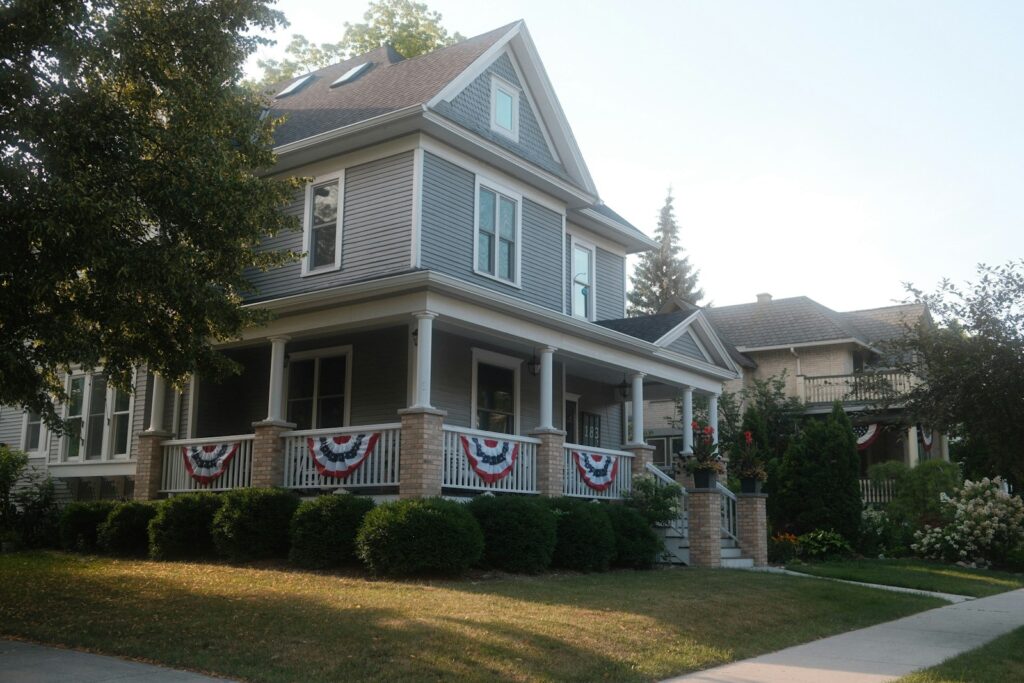
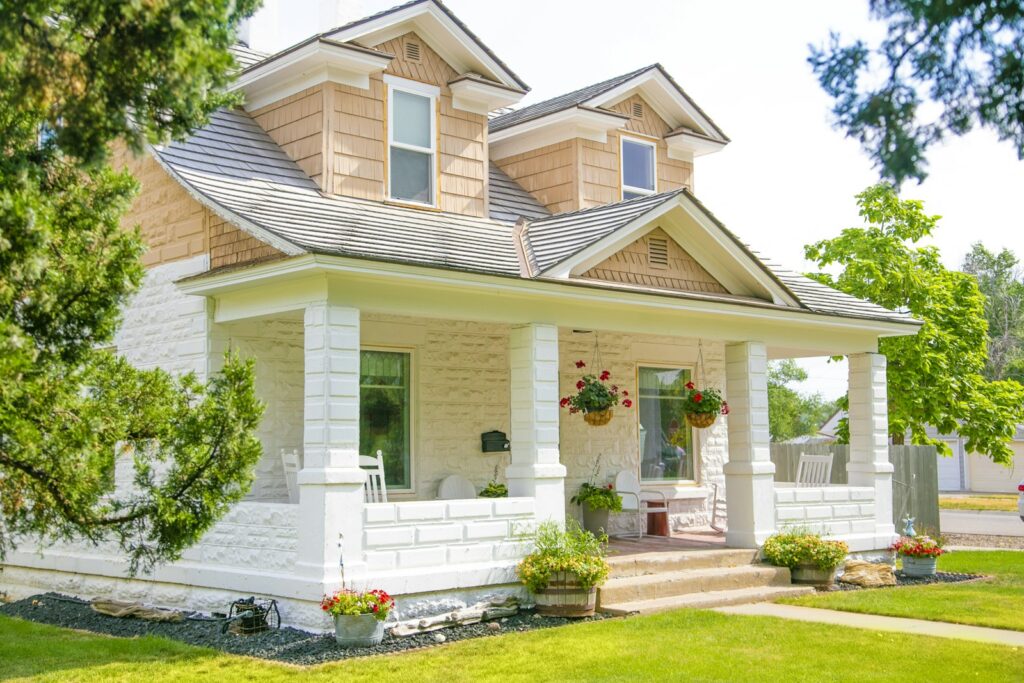
Stock photo, for illustration: an older two-story house with a front porch (Unsplash / Breno Burnett). House hacking
Secure: you own the building and share it with tenants. Start with the library, the house hacking calculator and the down payment assistance survey.
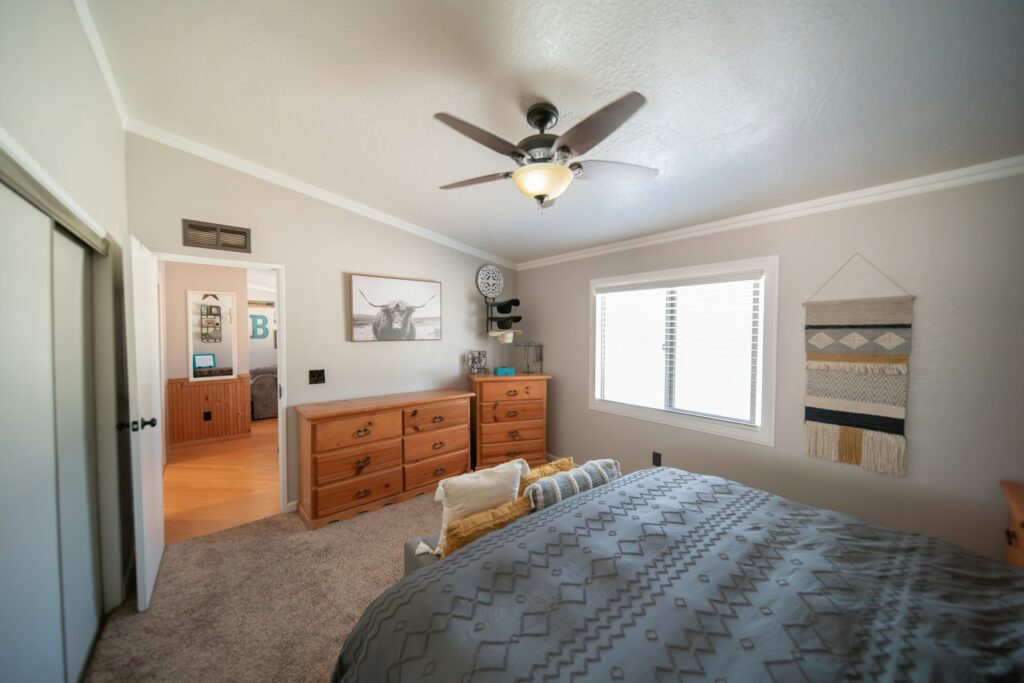
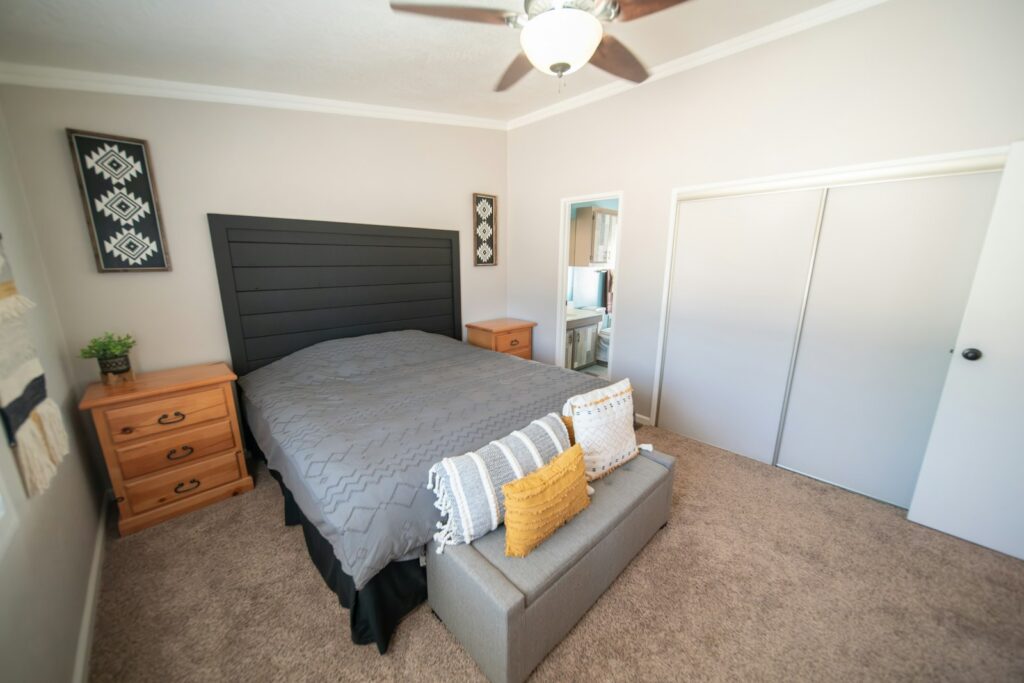
Stock photo, for illustration: a furnished spare bedroom (Unsplash / Brian Wangenheim). Rent out a room
Secure: you keep your home, and room rent offsets the payment you already make.
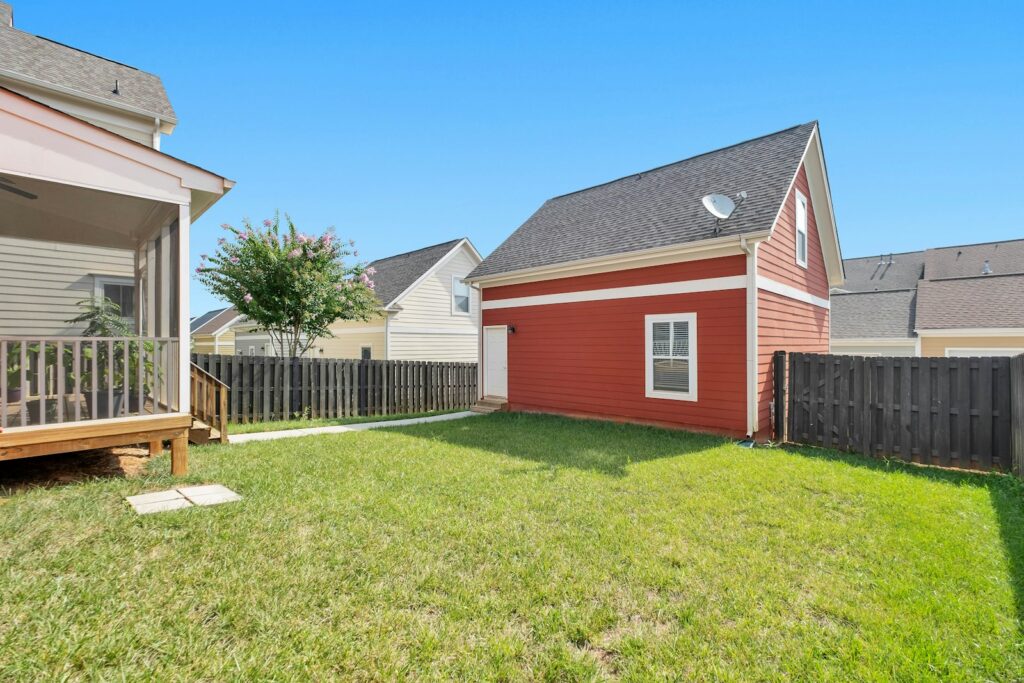
Stock photo, for illustration: a detached building at the back of a lot (Unsplash / Zac Gudakov). Add an ADU
Secure: you own the lot and the unit. Each month: any loan payment plus tax and insurance, minus any rent. Most bank borrowers used a home equity line[S3].
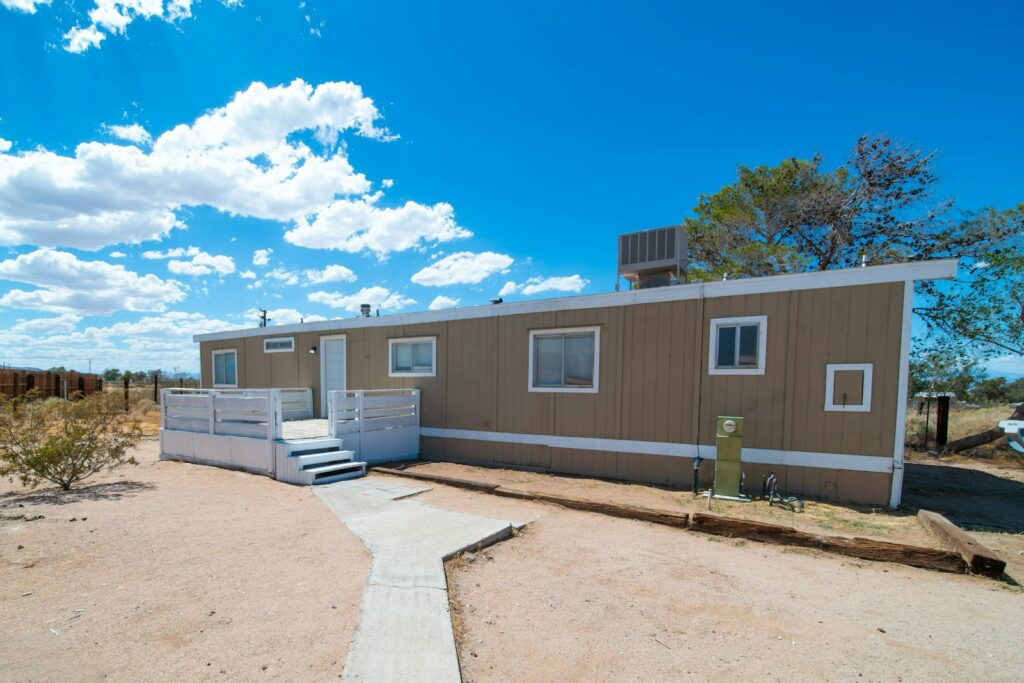
Stock photo, for illustration: a single-section manufactured home (Unsplash / Brian Wangenheim). Manufactured home
Depends on the land: owned land gives the security of any owner. Leased land adds lot rent, and 52% of land renters have no lease[S12]. Chattel loans had an 8.6% median rate in 2019[S11].
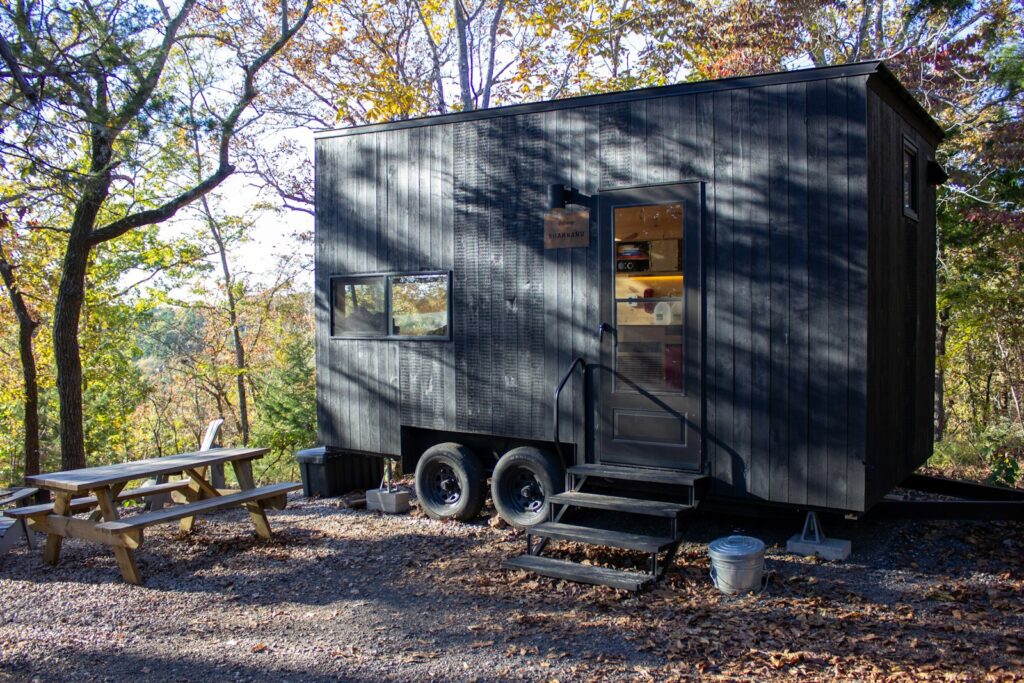
Stock photo, for illustration: a tiny house in a wooded yard (Unsplash / Huy Nguyen). Stock photo, for illustration: a house with a shared front porch (Unsplash / Ian MacDonald). Co-buying
Shared: the deed and your agreement set who owns what, so have an attorney review both.
Stock photo, for illustration: a rented room, the usual next step after a vehicle (Unsplash / Brian Wangenheim).
What the 2026 housing law changes
The ROAD to Housing Act became law on July 11, 2026[S20], but most of it is not usable yet.
- Chassis. A manufactured home no longer needs a permanent chassis under federal law[S21]. Fannie Mae still requires one[S22], and most states have until July 11, 2027 to certify equal treatment[S23].
- ADU loans. Building an ADU is now an eligible use of an FHA Title I loan (a federally insured home improvement loan), but HUD has set no amount, so you cannot get one yet[S24].
- Small mortgages. HUD may, but need not, start a pilot for FHA mortgages of $100,000 or less on 1-4 unit homes you live in[S25]. None is announced[S26].
- Investor ban. From January 7, 2027, investors with 350 or more homes cannot buy 1-2 unit homes; manufactured homes and 3-4 unit buildings are outside the ban[S27].
Read the ROAD to Housing Act guide
Where I started
I lived in a van for about thirteen months, and the whole path to the duplex took about five years[S28].
- About thirteen monthsIn a van
- About a yearRenting an apartment in a cheaper city
- About three yearsA $185,000 starter home, bought with county first-time-buyer assistance
- ThenThe duplex where I live in one unit
- Not a choice: I did not choose it as a lifestyle, and it didn’t really work out[S28].
- Cost: about $880 a month before food, saving only a few hundred dollars a month against renting a cheap room[S4].
- Both purchases used FHA loans[S28].
- The longer versions are on the about page and in from van to duplex.
Next step: run your path in the housing path check, with modes for a room, an ADU, a manufactured home, a tiny home, co-buying and a short-term arrangement. For a 2-4 unit building, use the house hacking calculator and the down payment assistance (DPA) lookup.
Common questions
Which path is cheapest?
Compare cash, monthly cost and security separately; Census prices exclude land[S10], and lot rent and higher rates come on top[S11]. See the comparison table.
Is living in a van a good way to save for a house?
Not for me: it saved only a few hundred dollars a month against a cheap room[S4], and savings came after I rented somewhere cheaper[S28]. See where I started.
Can I use the new federal housing law right now?
Mostly not yet: Title I waits on HUD[S24], the pilot is optional[S25] and the ban starts January 7, 2027[S27]. See the 2026 law.
Get started with the newsletter!
Useful, relevant analysis, tools, tricks, and what you need to know on the journey to financial freedom. From the van years to a duplex, the plain math and none of the hype.
Subscribe and get the free $0-to-First-Property Roadmap to start.
No spam. Unsubscribe in one click.
Want the deeper toolkit? The guides and spreadsheets are in the shop, from $5, and the free tools stay free either way.
Sources
- Cost to build a tiny house, HomeAdvisor, updated June 20, 2026 (accessed October 6, 2026). Supports: a reported build cost of $30,000 to $60,000, and $60,000 to $80,000 on wheels.
- Manufactured Housing Survey: latest data (series SPSNSAUS and SPDNSAUS on FRED), U.S. Census Bureau, released September 8, 2026 (accessed October 6, 2026). Supports: April 2026 average new-home prices of $84,600 single-section and $164,000 double-section.
- Implementing the Backyard Revolution, UC Berkeley Center for Community Innovation, April 2021 (accessed October 6, 2026). Supports: California 2020 survey medians of $90,000 (garage conversion) to $180,000 (detached), and how owners paid.
- Thirteen Months Living in a Van While Working Full Time: What It Was Actually Like, VanToVault, August 17, 2026, updated September 19, 2026 (accessed October 6, 2026). Supports: the founder’s van budget of roughly $880 a month before food and his estimate that it saved a few hundred dollars a month against a cheap room.
- FHA Single Family Housing Policy Handbook 4000.1, Update 18, U.S. Department of Housing and Urban Development, August 12, 2026 (accessed October 6, 2026). Supports: FHA’s 3.5% minimum down payment at a credit score of 580 or higher, and the 75% / 96.5% limits for non-occupying co-borrowers.
- Down payment assistance for duplex buyers: 83-metro survey (v4.5), VanToVault, October 2026 (accessed October 6, 2026). Supports: our own survey count of metros with a program found (69 of 83).
- Smoke alarms, U.S. Fire Administration, page reviewed September 28, 2026 (accessed October 6, 2026). Supports: smoke alarms inside and outside each bedroom and on every level.
- Real Property Actions and Proceedings Law, Section 711, New York State Senate, current text (accessed October 6, 2026). Supports: in New York no tenant or lawful occupant of a dwelling may be removed except in a special (court) proceeding.
- Mortgagee Letter 2023-17, U.S. Department of Housing and Urban Development, October 16, 2023 (accessed October 6, 2026). Supports: FHA counts 75% of ADU rent, capped at 30% of qualifying income.
- Manufactured Housing Communities, Federal Reserve Bank of Philadelphia, June 2023 (accessed October 6, 2026). Supports: the 2021 American Housing Survey national median lot rent of $414 a month, and that Census cost figures for manufactured homes exclude land.
- Manufactured Housing Finance: New Insights from the HMDA Data, Consumer Financial Protection Bureau, May 2021 (accessed October 6, 2026). Supports: 2019 median rates (8.6% chattel, 4.9% manufactured-home mortgage) and that homes on land the owner does not own generally do not build wealth.
- Millions of Homeowners Who Rent Land Are at Risk of Price Increases or Eviction, The Pew Charitable Trusts, June 4, 2025 (accessed October 6, 2026). Supports: 52% of manufactured-home owners who rent their land have no lease.
- Consumer Credit (G.19), Federal Reserve Board, September 8, 2026 (accessed October 6, 2026). Supports: the 11.86% average 24-month personal loan rate at commercial banks in Q2 2026.
- 24 CFR 3282.15, Electronic Code of Federal Regulations, current text (accessed October 6, 2026). Supports: RVs and park model RVs are exempt from the HUD code only if not designed as a primary residence.
- Selling Guide B2-2-04: Guarantors, Co-Signers, or Non-Occupant Borrowers, Fannie Mae, current topic (accessed October 6, 2026). Supports: non-occupant borrowers allowed up to 95% loan-to-value with automated approval.
- Multistate Fixed Rate Note, Form 3200, Fannie Mae / Freddie Mac, July 2021 (accessed October 6, 2026). Supports: each signer is fully obligated to pay the whole amount owed.
- 24 CFR 578.3, Definitions, Electronic Code of Federal Regulations, current as of September 30, 2026 (accessed October 6, 2026). Supports: HUD’s homelessness definition includes a car as a place not meant for regular sleeping.
- Your Driving Costs 2026, AAA, September 15, 2026 (accessed October 6, 2026). Supports: $12,863 a year to own and run a new vehicle.
- Camping on public lands, Bureau of Land Management, undated page (accessed October 6, 2026). Supports: dispersed camping is generally limited to 14 days in any 28-day period and is not long-term living.
- Public Law 119-101 (21st Century ROAD to Housing Act), details, U.S. Government Publishing Office, approved July 11, 2026 (accessed October 6, 2026). Supports: the enactment date, public law number and 140 Stat. 846.
- 42 U.S.C. 5402, Definitions, Office of the Law Revision Counsel, current through Public Law 119-101 (accessed October 6, 2026). Supports: the manufactured-home definition now covers homes built with or without a permanent chassis.
- Selling Guide B2-3-02: Factory-Built Housing, Fannie Mae, February 4, 2026 (accessed October 6, 2026). Supports: a manufactured home must still be built on a permanent chassis to be eligible.
- 42 U.S.C. 5403, Office of the Law Revision Counsel, current through Public Law 119-101 (accessed October 6, 2026). Supports: state parity certification within 1 year (2 years for biennial legislatures) and the prohibition if a state does not certify.
- 12 U.S.C. 1703, Office of the Law Revision Counsel, current through Public Law 119-101 (accessed October 6, 2026). Supports: the new Title I limits, ADU construction as an eligible use, annual indexing by notice and a term set by HUD up to 30 years.
- Public Law 119-101, text, U.S. Government Publishing Office, July 11, 2026 (accessed October 6, 2026). Supports: Section 105 (small-dollar FHA pilot) and Section 107 (housing supply guidelines).
- Federal Register search for “21st Century ROAD to Housing”, Federal Register, searched October 6, 2026 (accessed October 6, 2026). Supports: no HUD notice yet on Title I limits, the ADU amount, the small-dollar pilot or chassis certification.
- 42 U.S.C. 19521, Office of the Law Revision Counsel, current through Public Law 119-101 (accessed October 6, 2026). Supports: the 350-home investor ban from January 7, 2027, its 2-unit definition, the manufactured-home exclusion and the no-forced-sale rule.
- About VanToVault, VanToVault, live page (accessed October 6, 2026). Supports: the founder’s own account of about thirteen months in a van, the year of renting in a cheaper city, the $185,000 starter home bought with county assistance and lived in for about three years, the duplex bought with an FHA loan, and about five years from the van to the duplex.
- Families and Living Arrangements: 2025, U.S. Census Bureau, December 2, 2025 (accessed October 6, 2026). Supports: 16% of adults ages 25 to 34 lived in a parent’s home in 2025.