
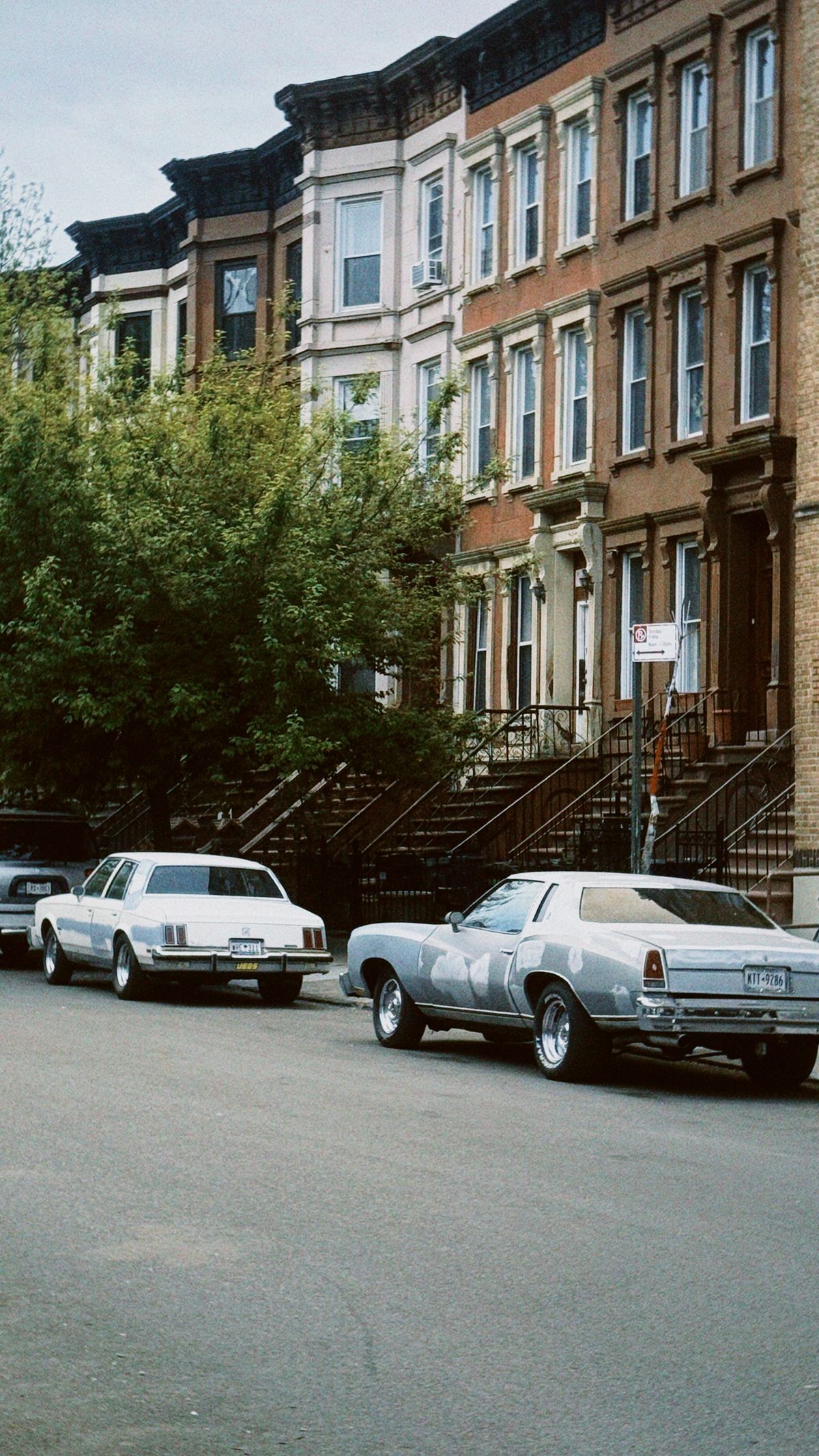
A newsletter I read, from World Population Review, recently walked through how homes are shrinking around the world: Tokyo apartments with beds that fold into walls, Hong Kong nano flats, Scandinavian buyers deliberately trading square footage for parks and free time. The global tour is fun, but the American version of the story is the one that changes what a first-time buyer here should do.
The American numbers
The median new single-family house in the United States peaked in 2015 and has been drifting smaller since. As of the third quarter of 2025, the median sat at roughly 2,176 square feet in Census Bureau data.[S1] Builders are not doing this out of minimalist conviction. Land near jobs is expensive, construction costs rose sharply, and at today’s mortgage rates every extra hundred square feet prices out another slice of buyers. Smaller is what still sells.
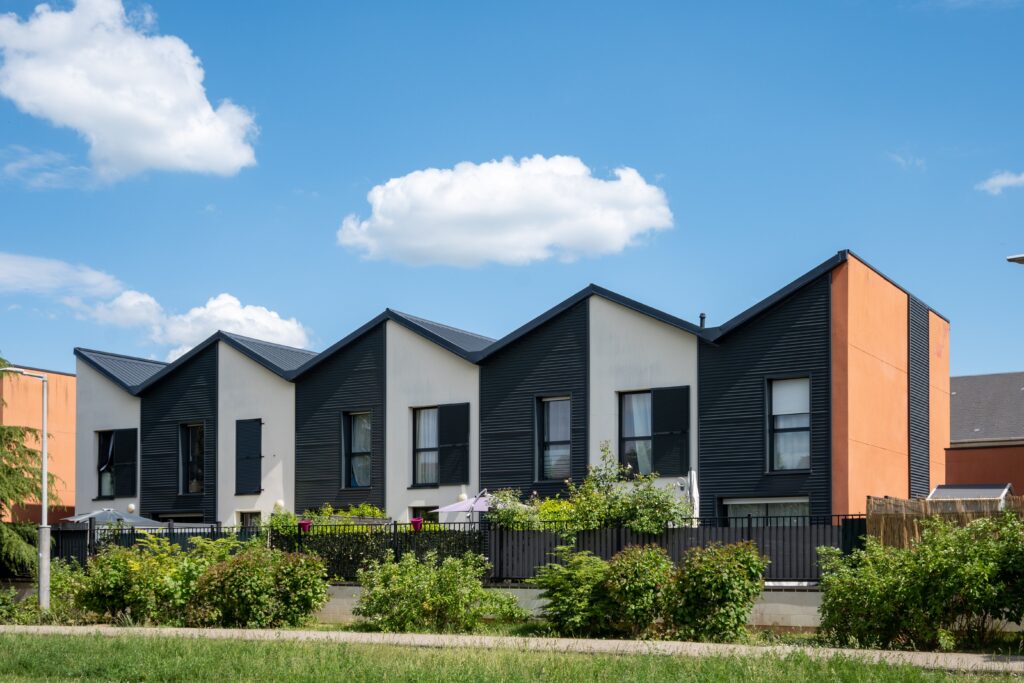
The part of the trend that matters for buyers
For a first-time buyer, shrinking new homes are half bad news, half instruction. The bad news is obvious: you get less house for more money than the last generation did. The instruction is subtler: the market is telling you that raw square footage is the wrong thing to maximize. The countries in that newsletter did not respond to expensive land by buying bigger. They responded by making every square foot do more work.
What this looks like as a house hack
The house hacking version of that idea is not folding beds or hidden storage. It is making the square footage you do not occupy produce income. A 2-4 unit building splits its footprint into a part you live in and a part that pays.
Your private space is smaller than the McMansion, and your monthly cost is smaller than the studio apartment, which is the trade the whole strategy rests on. I keep the arithmetic for it in the free house hacking calculator, and a step-by-step method for judging a specific building.
Three ways the shrinking-home era helps the small buyer
- Smaller new construction normalizes modest footprints, so a 900-square-foot duplex unit no longer reads as a compromise. It reads as normal.
- Builders chasing affordability are adding townhomes and accessory dwelling units, which pushes zoning in directions that favor small multi-unit buildings too.
- When private space shrinks, shared amenities and location matter more, and 2-4 unit buildings cluster in exactly the walkable, close-in neighborhoods that trend rewards.
What I would actually do
Stop comparing homes by square feet per dollar and start comparing them by what your monthly cost is after the building contributes. A 2,800-square-foot house where all 2,800 feet cost you money can lose, on the number that decides whether you sleep, to a 1,900-square-foot duplex where half the building pays rent. Smaller homes are the market’s answer to expensive housing. A building that earns is the buyer’s answer back.
Check whether a smaller building with a second unit beats a bigger house on your numbers.
The free house hacking calculator. Enter a price, a rent and your loan terms, and it returns cash flow, cash-on-cash and your effective housing cost in one pass.
Get started with the newsletter!
Useful, relevant analysis, tools, tricks, and what you need to know on the journey to financial freedom. From the van years to a duplex, the plain math and none of the hype.
Subscribe and get the free $0-to-First-Property Roadmap to start.
No spam. Unsubscribe in one click.
Want the deeper toolkit? The guides and spreadsheets are in the shop, from $5, and the free tools stay free either way.
Sources
- New single-family home size trends, third quarter 2025, NAHB Eye on Housing analysis of Census Bureau data (January 2026)
- World Population Review, whose August 2026 newsletter on shrinking homes worldwide prompted this post
- [S1] NAHB Eye on Housing, read 24 September 2026: “According to third quarter 2025 data from the Census Quarterly Starts and Completions by Purpose and Design and NAHB analysis, median single-family square floor area was 2,176 square feet, a decline from the start of the year. Average (mean) square footage…” eyeonhousing.org.
Note: Size figures are as of the linked data release; check the source for the current quarter.
Are new houses getting smaller in the US?
Yes. Census data through late 2025 puts the median new single-family home around 2,176 square feet, and the trend has drifted down since the 2015 peak.
Why are new homes smaller than they used to be?
Land costs, construction costs, and higher mortgage rates all push builders toward smaller floor plans that hit a monthly payment buyers can still qualify for.
Is a smaller home a bad deal for buyers?
Not necessarily. Compare what the home costs you per month after any rental unit contributes, not just square feet per dollar. A smaller 2-4 unit building where tenants pay part of the mortgage can beat a bigger single-family house on every number that matters.