
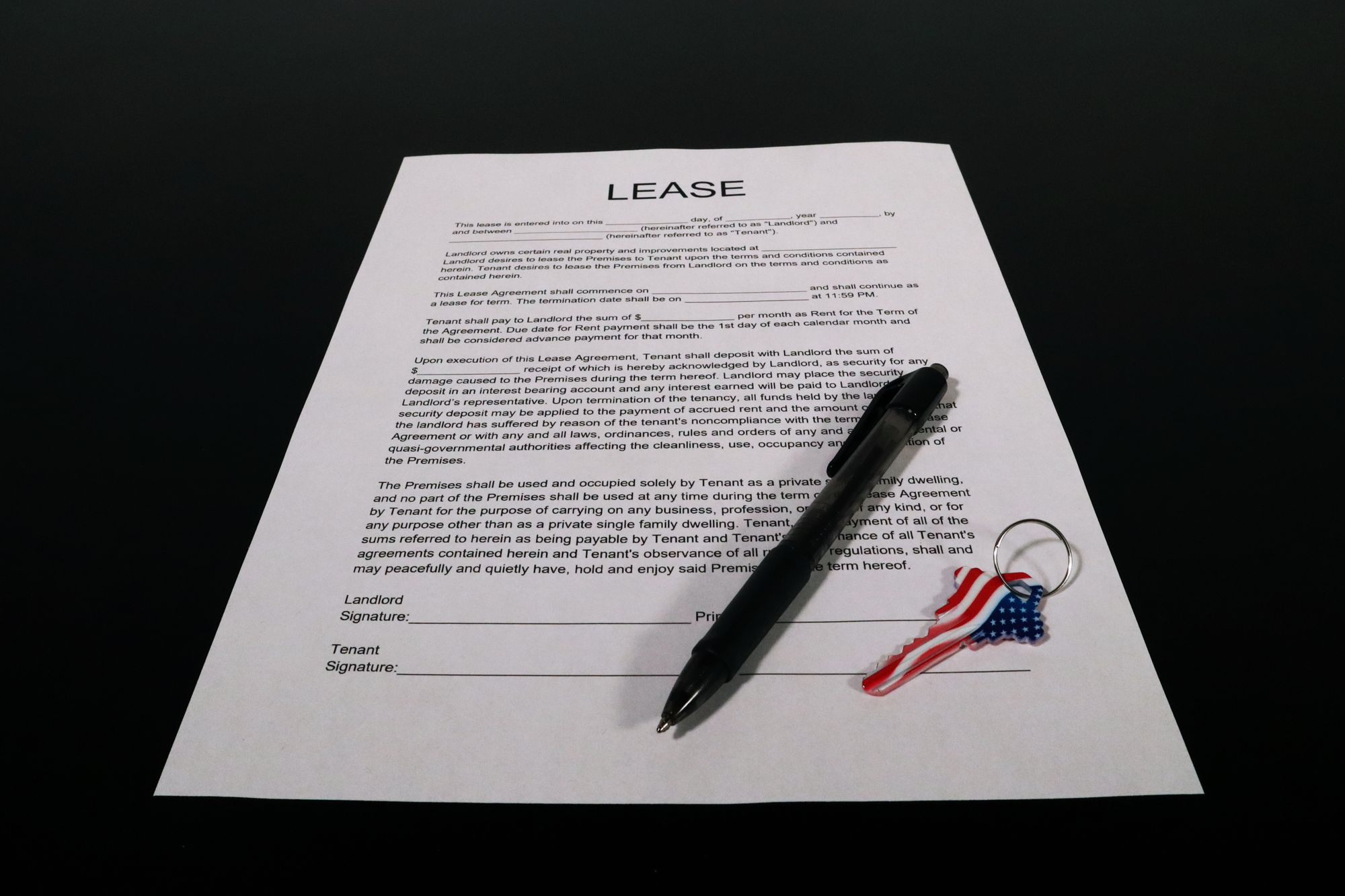
TurboTenant is a landlord app for listings, applications, screening, leases and rent collection, with a free plan and paid plans from $149 a year for up to ten units. The landlord pays nothing on the free plan; the tenant pays $2 per ACH rent payment, 3.49% on cards and $55 to apply. The free plan covers listing, screening and rent; leases and eSignatures start on Essentials.
Disclosure: some links in this post are affiliate links. If you open an account through them, VanToVault earns a commission at no extra cost to you. I only recommend tools I think are worth your money.
TurboTenant handles the tenant-facing work: listing, application, screening, lease and rent. This review answers three questions for a house hacker with one or two units. Is the free plan enough, what does the tenant pay, and where does it fall short.
Everything below comes from TurboTenant’s pricing page, its rent collection page and its help center, read in September 2026 and linked at the bottom.
TurboTenant pricing in 2026
As of September 2026 there are three self-managed plans. Free is $0. Essentials is $149 a year for one to ten units, about $12.42 a month. Pro is $199 a year for the same tier and climbs by unit count [1]. A full-service tier, Autopilot, is priced by phone.
| Plan | Price, 1 to 10 units | What it adds |
|---|---|---|
| Free | $0 | Unlimited listings and applications, credit, criminal and eviction screening paid by the applicant, rent collection with late fees, receipts and reminders, one connected bank account |
| Essentials | $149 a year | Unlimited leases, addendums and eSignatures; landlord forms pack; a lower screening fee for applicants; faster rent payouts; manual transaction import |
| Pro | $199 a year | Income and employer verification with fraud detection, waived ACH fees for tenants, insights dashboard, Schedule E and Form 8825, automatic transaction import and loan tracking, unlimited connected bank accounts |
One thing to know: the plan names changed this year. TurboTenant’s help center and rent collection pages still describe a “Premium” plan, while the pricing page shows Essentials and Pro [1][2]. Read the feature list, not the name, when you compare.
Is the TurboTenant free plan enough for one or two units?
If the unit is already rented, mostly yes. The free plan lists the unit on the syndication sites, takes applications, screens applicants at their cost and collects rent by ACH or card, with late fees and reminders [1]. None of that has a unit cap. What it no longer does is the lease.
The things you give up are speed and bookkeeping. Rent by ACH takes five to seven business days to land on the free plan; card payments take one to three [3]. And the free plan has no accounting at all; the insights dashboard and the Schedule E are on Pro [1].
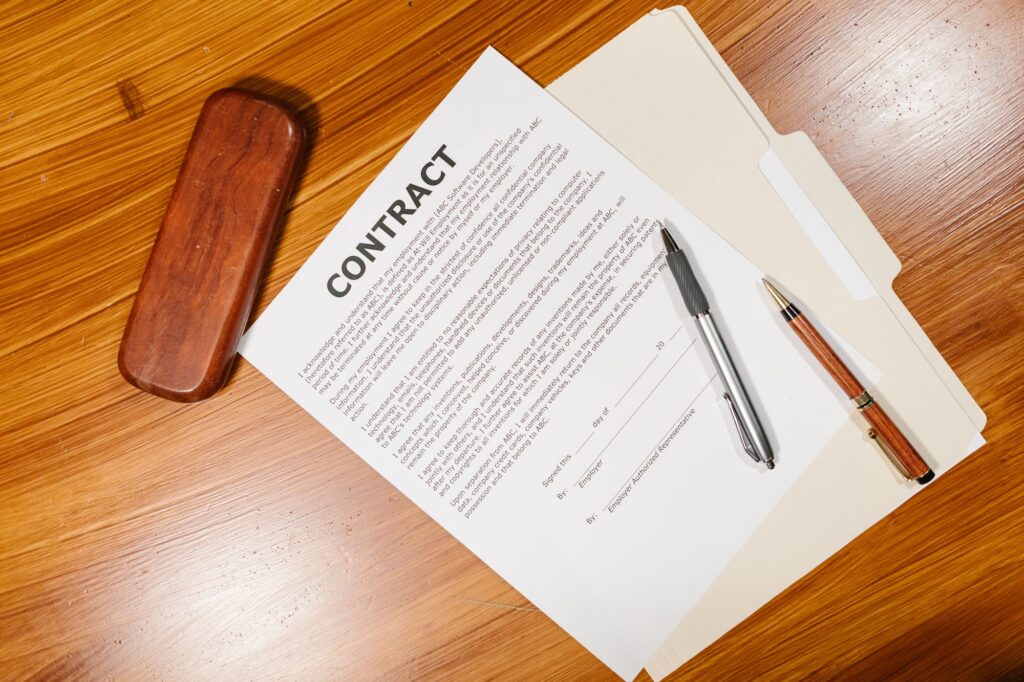
The catch: leases moved off the free plan. On the current pricing page, lease agreements, addendums and eSignatures start on Essentials at $149 a year [1]. If you are filling a vacancy and want the lease in the same flow, budget for Essentials or bring a lease from elsewhere. The landlord forms pack is $199 on Free and included on paid [1].
What the tenant pays on TurboTenant
This is where TurboTenant is different from an accounting app. The landlord pays nothing on Free, and the tenant carries the fees. The renter pricing table splits by whether their landlord is on a free or an upgraded plan [1].
| Tenant fee | Landlord on Free | Landlord on a paid plan |
|---|---|---|
| Rent by bank transfer (ACH) | $2 per payment | Free on Pro (“waived ACH fees”) |
| Rent by debit or credit card | 3.49% | 3.49% |
| Application and screening | $55 | $45 |
| Rent reporting to credit bureaus (optional) | $4.99 a month | $4.99 a month |
On a $1,200 rent the ACH fee is $24 a year. The 3.49% card fee is $41.88 on the same rent every month, so most tenants switch to ACH once they see it. The $55 application fee is high next to Zillow at $35 and Apartments.com at $32, and in a slow market that can cost you applicants [4][5].
On TurboTenant the landlord’s free plan is paid for by the tenant, two dollars at a time. That is a fair trade for many tenants, but say it out loud at lease signing.
Rent collection: late fees, autopay and speed
Tenants can set up autopay, landlords can allow or block partial payments, and late fees can run automatically [2]. The pricing page includes late fees, receipts and reminders on every plan, Free too [1].
Payout speed is the clearest reason to pay. Free ACH lands in five to seven business days; expedited processing on a paid plan brings that to two to four [3]. If your mortgage autodrafts on the 5th and rent is due on the 1st, seven business days is a problem.

Screening and leases
Screening is the strongest part. The applicant pays, the report includes credit, criminal and eviction history on every plan, and Pro adds income and employer verification with fraud detection [1]. The screening rules that still apply to you, including the adverse action notice, are the same as with any provider; I walk through them in what I wish someone told me before my first rental.
What TurboTenant is bad at
- Accounting. None on the free plan. The dashboard, Schedule E and automatic import are Pro only [1].
- Leases cost extra. Lease agreements and eSignatures start on Essentials at $149 a year [1].
- Owner-occupied splits. There is no way to assign part of a shared bill to your own unit. That is a Stessa or spreadsheet job.
- Furnished and 30-day stays. It is built for twelve-month leases. A Furnished Finder tenant can pay rent through it, but the listing and booking side stays on the platform you found them on.
- Slow free ACH. Five to seven business days.
- The tenant’s fees. $55 to apply is on the renter unless you upgrade, and the $2 per payment unless you are on Pro.
- Naming churn. Premium, Essentials, Pro. The help center and the pricing page disagree right now.
TurboTenant alternatives for a house hacker
If the books matter more than the listing, Stessa’s free plan does bank feeds and categorization and TurboTenant does not; see the Stessa review. If you want rent, expenses and a Schedule E report in one place with the bank account at the center, Baselane is a solid option, and its free plan includes the Schedule E report [6].
The fee table for eight apps is in best rent collection apps for small landlords. My rule: TurboTenant if you have a vacancy to fill and want the listing and screening in one flow, with Essentials if you also want the lease there; something else if the unit is already rented and you only need the rent to arrive.
Next step
Whatever app you pick, the screening criteria are yours to write down first. What I wish someone told me before my first rental walks through the screening checklist in the order the law expects you to follow it.
When rent goes up, the letter still has to meet your state’s notice rule; the template is in rent increase notice to a tenant. The neighbor side of collecting rent from someone upstairs is in living next to your tenants. Other tools are on the resources page.
Frequently asked questions
Is TurboTenant free for landlords?
TurboTenant’s free plan is defined as a $0 tier with unlimited listings, applications, screening and rent collection, where the tenant pays the transaction fees. Leases and eSignatures start on Essentials at $149 a year for one to ten units, as of September 2026.
What fees do tenants pay on TurboTenant?
Tenant fees on TurboTenant are defined by the landlord’s plan: $2 per ACH rent payment and $55 to apply when the landlord is on the free plan, $45 to apply on either paid plan, free ACH only on Pro, and 3.49% on any card payment, as of September 2026.
How long does TurboTenant take to deposit rent?
TurboTenant deposit time is defined as five to seven business days for ACH on the free plan, two to four business days with expedited processing on a paid plan, and one to three business days for card payments, according to its help center.
Does TurboTenant do accounting?
TurboTenant accounting is defined as nothing on the free plan, manual transaction import on Essentials, and the insights dashboard, Schedule E, Form 8825 and automatic transaction import on Pro at $199 a year. It has no tool for splitting a shared expense between an owner-occupied unit and a rental unit.
Get started with the newsletter!
Useful, relevant analysis, tools, tricks, and what you need to know on the journey to financial freedom. From the van years to a duplex, the plain math and none of the hype.
Subscribe and get the free $0-to-First-Property Roadmap to start.
No spam. Unsubscribe in one click.
Want the deeper toolkit? The guides and spreadsheets are in the shop, from $5, and the free tools stay free either way.
Sources
- TurboTenant, Pricing (Free $0; Essentials from $12.42 a month, $149 a year for 1 to 10 units; Pro from $16.48 a month, $199 a year for 1 to 10 units; feature grid: leases and eSignatures from Essentials, Schedule E and waived ACH on Pro, late fees on every plan; renter fee table: ACH $2 or free, cards 3.49%, screening $55 or $45; landlord forms pack $199 on Free). turbotenant.com/pricing. Re-read September 16, 2026.
- TurboTenant, Collect Rent Online (the $2 ACH and 3.49% card fees on the free plan, autopay, partial payments, automatic late fees, “Premium” wording). turbotenant.com. Read September 15, 2026.
- TurboTenant Help Center, How Long Do Rent Payments Take to Process? (5 to 7 business days free ACH, 2 to 4 on the paid plan, 1 to 3 for cards, $10,000 rule). support.turbotenant.com. Read September 15, 2026.
- Zillow Rental Manager Help Center, How much does the application cost? ($35, paid by the renter, reusable for 30 days). help.zillowrentalmanager.com. Read September 15, 2026.
- Apartments.com Property Help Center, How much do the applications and reports cost? ($32 plus tax, paid by the applicant, shareable for 30 days). propertyhelp.apartments.com. Updated June 5, 2026; read September 15, 2026.
- Baselane, Pricing (Core $0 with the accountant tax package and Schedule E report). baselane.com/pricing. Read September 15, 2026.
Prices and fees are quoted from the vendor pages on the dates above and change without notice; TurboTenant renamed its plans in 2026, so check the pricing page before you sign up. I have not been paid by TurboTenant for this review and there is no TurboTenant affiliate link on this page. The Baselane link is an affiliate link and is labeled as such. This is not legal or tax advice.