
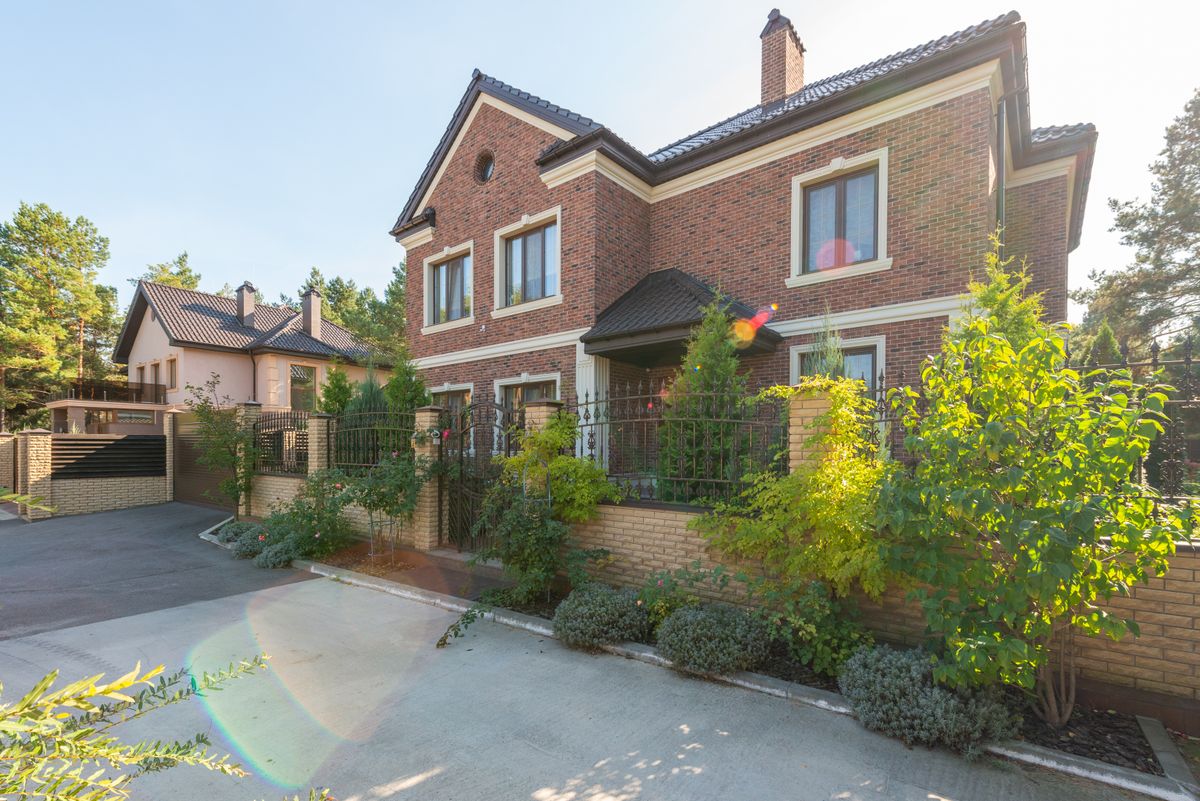
The most expensive house hacking mistake I made was underestimating the cash I needed after closing, because a low down payment leaves almost no cushion for repairs and vacancy. Others include treating projected rent as a sure thing, buying the property instead of the numbers, and skipping a maintenance fund. A rough rule is to set aside about one percent of the property’s value each year for maintenance.
Disclosure: some links in this post are affiliate links. If you open an account through them, VanToVault earns a commission at no extra cost to you. I only recommend tools I think are genuinely worth your money.
The things I got wrong on the way from a van to a duplex, written down so you can skip them.
House hacking worked for me. I live in a duplex, the other unit and a basement Airbnb cover most of my payment, and my actual housing cost is a fraction of the full payment.
But I made plenty of mistakes getting here, and a few of them cost me real money and real sleep. If you’re considering buying a place and renting out part of it, these are the things I’d warn my earlier self about.
If you’re new to the whole concept, start with the full explainer first: What Is House Hacking? This post assumes you already understand the basics and want to avoid the common traps.
| The mistake | What I would do instead |
|---|---|
| Underestimated the cash I needed after closing | Hold a reserve past the down payment for closing costs, negotiated repairs, and utilities that run higher than quoted |
| Treated the projected rent as a sure thing | Budget for vacancy and late payments instead of a smooth stream |
| Did not think about living next to my tenants | Screen for the neighbor relationship, not just the rent check |
| Bought based on the property, not the numbers | Ask whether the rent covers enough of the payment before you ask whether the kitchen is nice |
| Waited too long, hoping for a crash | Check what 3.5 percent down and first-time-buyer programs make possible right now |
| Did not keep a maintenance budget separate | Treat a share of every rent check as the property’s money, roughly one percent of value a year |
| Confused a low payment with a good deal | A low payment in a declining area with soft rents is still a bad buy |
I underestimated the cash I’d need after closing

I budgeted carefully for the down payment but not much for everything after it.
- Closing costs came in higher than I had accounted for.
- The inspection turned up repairs that had to be negotiated, and the whole deal almost fell through because I did not have the money to cover them.
- Utilities cost more than I had anticipated.
- An older property always needs something, as I soon found out.
- And I did not have a tenant yet.
A down payment gets you to the closing table. It doesn’t keep you afloat after. I’d tell any beginner to have a separate reserve on top of the down payment, ideally a few months of the full mortgage payment sitting untouched. If your first tenant is late, or the unit sits empty for a month, or the furnace/boiler dies right before winter (as mine did), that reserve is the difference between an inconvenience and a crisis.
I treated the projected rent as a sure thing
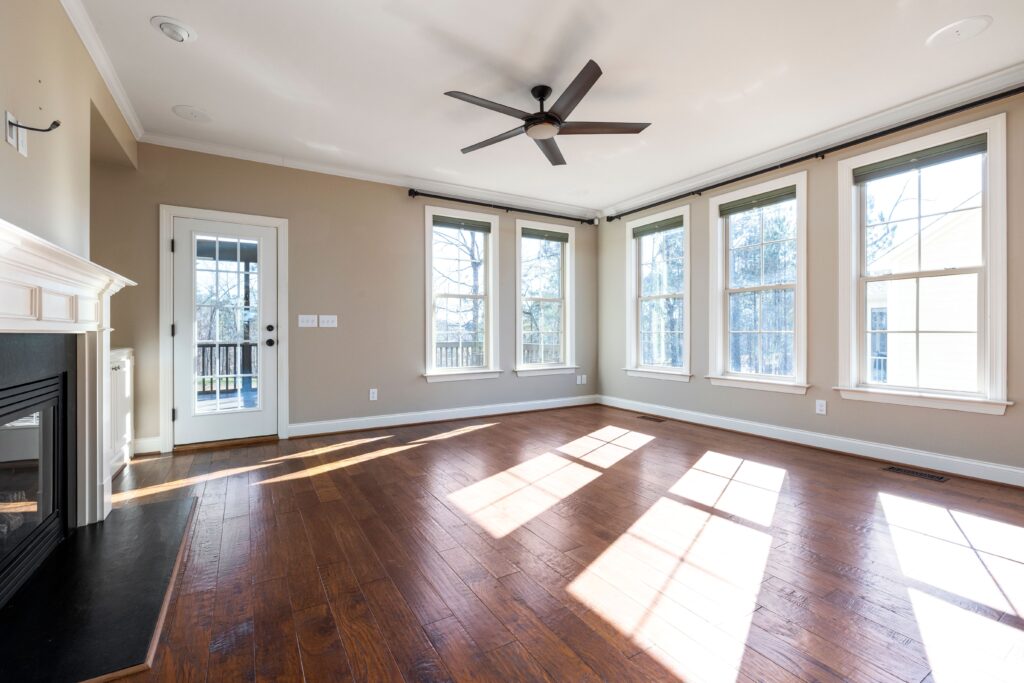
When I ran the numbers on the duplex, I plugged in the rent I hoped to get and built my whole budget around it. Actual rent is messier. Units sit empty between tenants. People pay late. A short-term rental has slow months. The income is real, but it’s lumpy, and if you assume a perfectly smooth stream you’ll get caught short.
Build a reserve for vacancy and late rent
Vacancy and late payment are inevitable for most landlords, and it is more a question of when than if. Assume two months of vacancy every couple of years and a tenant who occasionally pays late. If the deal only works in the optimistic version, it is too tight.
When I show people exactly how I run a real property now, I always include the pessimistic case, and I walk through that full process here: I’ll Show You My Work.
Before you commit to anything, put the real listing into the free house hacking calculator and try it with conservative rent. If it still works, you have a real deal. If it only works at full rent and zero vacancy, keep looking.
I didn’t think hard enough about living next to my tenants
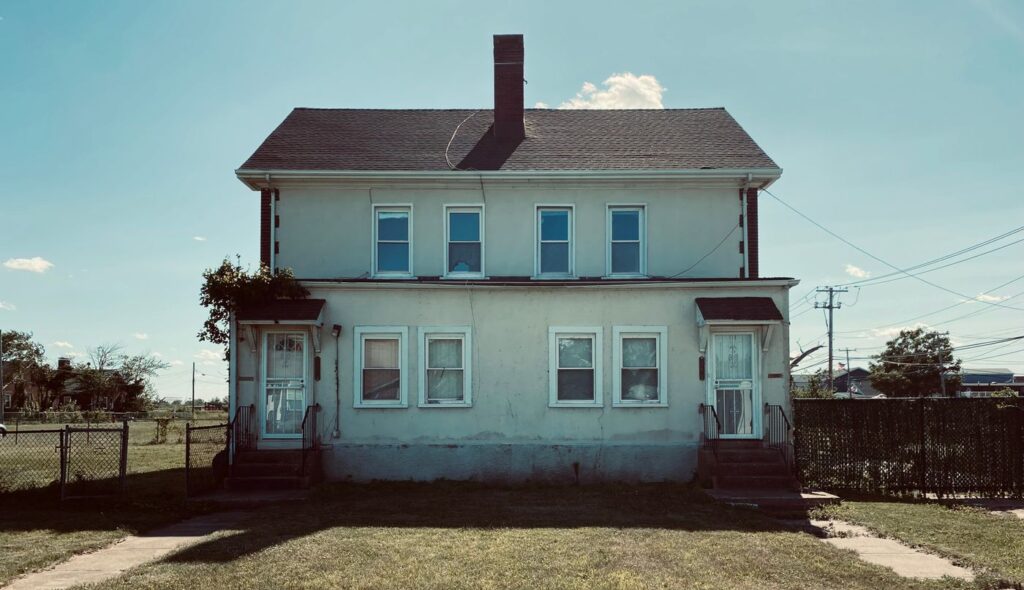
When you house hack a duplex, your tenant is on the other side of a wall, and your landlord-tenant relationship is now also a neighbor relationship. This is not for everyone.
For people like me who didn’t have a lot of options, I had to accept the tradeoffs if I wanted to get out of the van, rent and debt cycle I was in. The first time someone messaged me at night about an issue, I understood that I’d signed up for more than collecting rent.
It’s manageable, but only if you go in with the right expectations and a few boundaries.
- Have a clear way for tenants to reach you for real problems, and be clear about what counts as an emergency.
- Screen carefully, because you’re not just choosing a tenant, you’re choosing a neighbor.
I wrote a full post on what this is actually like day to day here: Living Next to Your Tenants. Read it before you buy, not after.
I bought based on the property, not the numbers
Early on I let myself get attached to places. I’d walk through a house, picture living there, and start mentally justifying the price. That’s backwards. A house hack is a financial decision first and a home second. The question that matters is whether the rent covers enough of the payment, not whether the kitchen is nice.
My first home was 800 square feet and unremarkable, and that’s exactly why it worked. It was cheap enough that the math was easy and the equity it built later became the down payment on the duplex. If I’d chased a place I loved, I’d have paid more and the whole plan would have stalled.
Decide on your numbers before you walk through the door, and let the spreadsheet say no even when you don’t want it to.
I waited too long because I thought I needed more, and was afraid of making the leap
For a while I assumed I needed a bigger down payment, a higher income, and a cushion before I could buy anything. I also lingered, hoping the market would crash. That delay cost me. An FHA loan let me buy with 3.5 percent down, and a county first-time-buyer program covered help I didn’t know existed.
I qualified earlier than I believed, and the months I spent waiting were months of paying someone else’s mortgage as rent.
The lesson isn’t to rush into a bad deal. It’s to find out where you actually stand instead of assuming the worst. A lot of people who think they’re years away are closer than they realize, and the only way to know is to check your credit, talk to a lender who knows these programs, and run the numbers.
I didn’t keep a maintenance budget separate
In the first year I treated every dollar of rent as if it were mine to spend. Then a few repairs landed at once and I had nothing set aside. Now I treat a portion of every rent check as money that isn’t mine. It belongs to the property, for the repairs that are coming whether I plan for them or not.
A rough rule is to set aside something like one percent of the property’s value each year for maintenance, more if the place is old. It feels like a lot when nothing is broken. It feels like a lifeline the month two things break at once.
Keep a cash reserve after closing, budget conservatively for rent and maintenance, and let the numbers make the decision before your feelings do.
The mechanical fix is structural: rent lands in an account that is not your personal checking. A second account at your own bank works, and Baselane is a solid option built specifically for this. Once the rent has its own home, the maintenance share never gets a chance to disappear into grocery money.
I confused a low payment with a good deal
Because my out-of-pocket housing cost dropped so much, I started to think any property that lowered my monthly cost was automatically a win. That’s not always true.
A place can have a low monthly payment and still be a bad buy if:
- It needs constant repairs.
- It sits in a declining area.
- Its rents won’t hold up.
A good house hack is one where the numbers work after you account for vacancy, maintenance, and reality, not just the headline payment.
This is why I run every deal through the same process now and never skip the conservative case. The calculator makes that quick. Put in the price, the realistic rent, and your actual loan terms, and stress-test it before you get emotionally committed.
What I’d tell someone starting today
None of these mistakes ended my plan, but each one cost me something I didn’t have to spend. If I could hand my earlier self one page, it would say this:
- Keep a cash reserve you can actually reach after closing.
- Budget conservatively for rent and maintenance.
- Choose your tenant like the neighbor they’ll be.
- Let the numbers make the decision before your feelings do.
House hacking is one of the few straight ways to cut your biggest expense and build equity at the same time, even starting from very little.
It just rewards people who plan for the boring downside instead of only the upside.
When you’ve got a property in mind, pressure-test the deal in the calculator before you make an offer. Run the optimistic and the conservative version. If both hold up, you’ve avoided most of the mistakes on this list before they happen.
I’m not a guru. The tools are free; the shop and the affiliate links are optional. If these posts are useful, subscribe on the blog for new ones, or if you want a second opinion on a place you’re looking at, send me the deal.
Get started with the newsletter!
Useful, relevant analysis, tools, tricks, and what you need to know on the journey to financial freedom. From the van years to a duplex, the plain math and none of the hype.
Subscribe and get the free $0-to-First-Property Roadmap to start.
No spam. Unsubscribe in one click.
Want the deeper toolkit? The guides and spreadsheets are in the shop, from $5, and the free tools stay free either way.
Sources
- Consumer Financial Protection Bureau, What fees or charges are paid when closing on a mortgage and who pays them? The list of costs that land after the down payment, which is the mistake at the top of this post.
- U.S. Census Bureau, Housing Vacancies and Homeownership. The published rental vacancy series, the measured version of the empty months I tell people to budget for instead of assuming a smooth rent stream.
- U.S. Department of Housing and Urban Development, Single Family Housing Policy Handbook 4000.1. The rules behind the 3.5 percent owner-occupant down payment I waited too long to go and check on.
Frequently asked questions
What is the biggest house hacking mistake?
The costliest mistake is reaching the closing table with nothing behind the down payment. A low down payment gets you the keys and leaves no cushion, so closing costs, negotiated repairs, higher utilities and the first vacancy all land on an empty account.
How much should you set aside for maintenance on a rental?
A maintenance reserve is money held back out of rent for repairs that have not happened yet. A rough rule is about one percent of the property value each year, and more than that if the building is old, kept in an account separate from your personal spending.
How much vacancy should you budget for on a house hack?
Vacancy is the stretch when a unit sits empty between tenants and earns nothing. I plan on about two months every couple of years plus the occasional late payment, and I test every deal at the conservative rent rather than the hoped for one.
Is a low monthly payment a good deal?
No, not on its own. A good house hack is one where the numbers still hold after vacancy, maintenance and repairs come out, so a small headline payment in a declining area with soft rents is still a bad buy.
See what this looks like on a building you could actually buy.
The free house hacking calculator. Put in a price, a rent and your loan terms, and it returns your monthly cost with the tenant rent counted.