
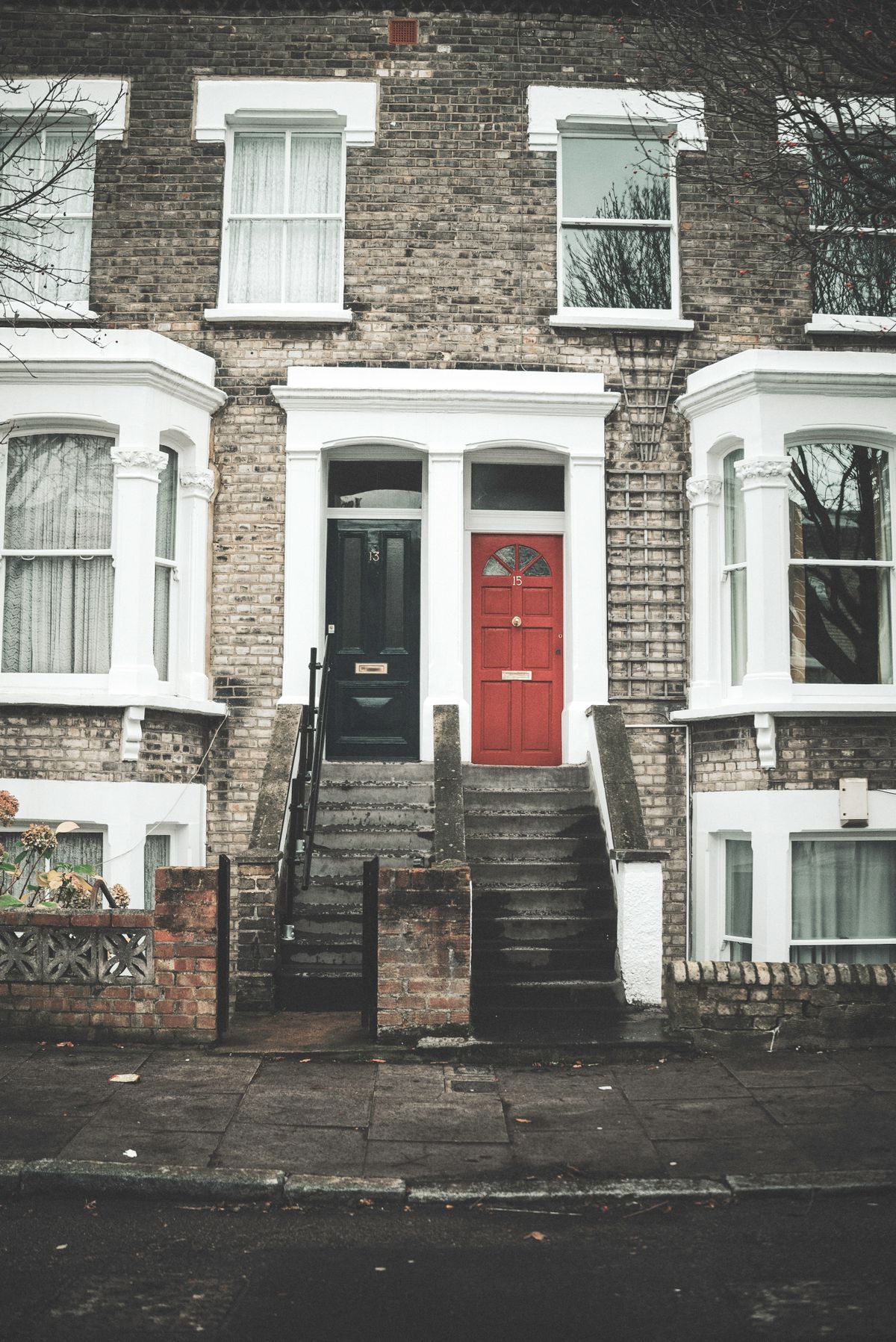
The first duplex I ever ran numbers on was a Saint Paul listing around $120,000. The spreadsheet said yes. The walkthrough said absolutely not. This post is about the gap between those two answers, and about the number I obsessed over back then that turned out to be the wrong one.
I no longer have the original spreadsheet file, which I genuinely regret. But I remember exactly what it taught me, because the lessons are baked into how I screen deals today.
The $120,000 duplex that passed the spreadsheet and failed the doorway
On paper the Saint Paul duplex worked. Price around $120,000, rents that covered the math, the kind of listing that makes a first-time buyer’s heart race. Then I viewed the units. The building was in very, very rough shape, and the tenant situation made it clear I would be inheriting problems that no spreadsheet has a column for. I was not equipped to take that on, and I knew it standing in the hallway.
What that viewing changed
That viewing changed how I think about deal analysis permanently. The numbers are a filter, not a verdict. They tell you which buildings are worth driving to. They cannot tell you what you will smell in the stairwell. It is the reason that condition and neighborhood checks sit alongside the financial ones in every screen I run now.

The number I obsessed over, and why it was the wrong one
Purchase price. I fixated on it. Part of that was inexperience, part was the low-rate environment, and part was a poverty reflex: get the cheapest building possible, keep every other cost down, closing costs included. Cheapest felt safest.
Two things were quietly wrong with that.
- My range was moving. While I was looking, my income grew from about $50,000 to about $62,000 a year, and I was saving the whole time. My real range was bigger than the one I was shopping in, and it kept getting bigger. I was screening myself out of buildings I could actually afford.
- Price is not what decides a house hack. The relationship between the payment and the rent the other unit earns decides it.
I wrote up a three-tier comparison recently that shows a $198,000 building beating a $160,000 one on monthly cost, and a $279,000 one losing to renting entirely. The sticker price told you nothing.
Was the cheap-viewing phase a waste?
No, and this matters if you are in that phase now. Every one of those too-small, too-rough viewings taught me the local market: what $120,000 actually buys, what deferred maintenance looks like in person, what questions to ask, what my own limits were. That education is what let me recognize the right building when it finally showed up. Run your numbers, view relentlessly, and let your range grow with your income instead of anchoring to the price you started with.
The screen I wish I had back then is now a free tool. The house hacking calculator takes a listing’s price, rent, and your loan terms and shows your real monthly cost in seconds, no signup. The walkthrough is still on you.
Keep going
Where the story started: thirteen months living in a van while working full time. Where it ended up: my duplex, year one, with the numbers.
My own experience, not advice. Verify anything specific to your situation with your own lender and inspector.
Frequently asked questions
What is rental deal analysis?
Rental deal analysis is defined as the process of estimating a property income, operating expenses and financing costs before making an offer, in order to judge whether the monthly result is acceptable.
The version of that spreadsheet I use now, five tabs with a cash-to-close buffer and a year-one grid, is free to download in the spreadsheet behind my first property.
Get started with the newsletter!
Useful, relevant analysis, tools, tricks, and what you need to know on the journey to financial freedom. From the van years to a duplex, the plain math and none of the hype.
Subscribe and get the free $0-to-First-Property Roadmap to start.
No spam. Unsubscribe in one click.
Want the deeper toolkit? The guides and spreadsheets are in the shop, from $5, and the free tools stay free either way.
Sources
The listing figures come from my own analysis of one Saint Paul property at the time I ran it, and are not current market data. Run your own numbers on any listing you are considering.