
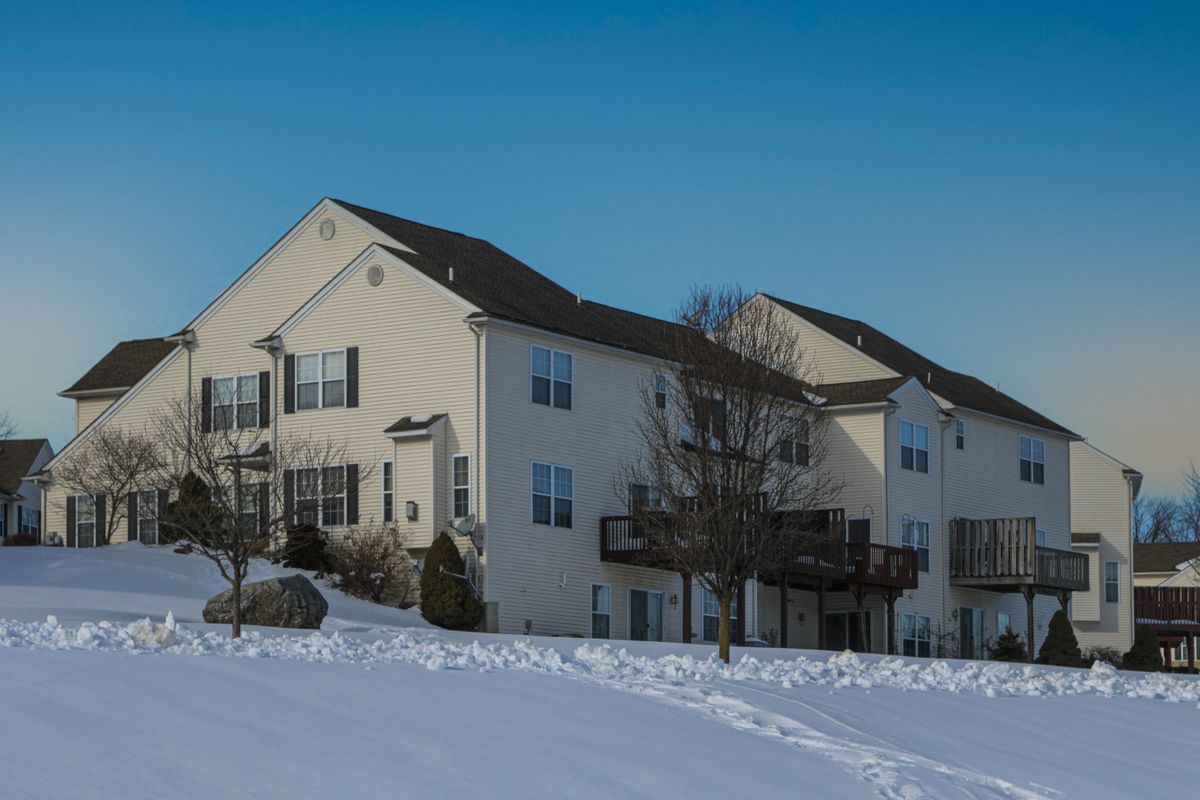
House hacking strategies come in three main forms: buying a small multifamily like a duplex and renting the other unit, renting by the room in a single-family home, and adding or using an accessory dwelling unit (ADU). An FHA loan lets you buy a two-unit home with as little as 3.5 percent down at a 580 credit score or better, if you live in one unit.
The three main ways help pay your mortgage via rent, and how to figure out which one fits your life, your budget, and your tolerance for sharing space.
When people first hear about house hacking, they usually picture one version of it and decide it’s either perfect for them or completely off the table. In practice there are three common ways to do it, and they’re different enough that one can be a great fit while another would make you miserable. If you rule out house hacking entirely, you may just be ruling out the one version you happened to imagine.
| Strategy | Typical entry cost | Privacy | Best for |
|---|---|---|---|
| Duplex or small multifamily | Higher purchase price | Your own unit, your own door | A clean separation from your tenant |
| Renting by the room | Lowest purchase price | Shared kitchen and living space | The most income per dollar invested |
| ADU or basement unit | Between the two | Separate entrance, shared lot | More privacy than rooms, less cost than a duplex |
I went the duplex route: I bought a two-unit building, lived on one side, and rented the other. Before I landed there I looked hard at renting out rooms and at buying a place with a separate basement unit, and I’ve since run a short-term rental out of my own basement.
If you want the concept explained from scratch first, start with What Is House Hacking? and then come back here to choose a path.
Quick definitions of each house hacking strategy
A small-multifamily house hack means buying a duplex, triplex, or fourplex, living in one unit, and renting the others. A rent-by-room house hack means buying a regular single-family home and renting out the spare bedrooms to housemates. An ADU house hack means owning a home that has, or can add, a separate accessory dwelling unit, a basement apartment, a converted garage, or a backyard cottage, and renting that out while you live in the main house.
| Strategy | What you buy | The tradeoff | Best when |
|---|---|---|---|
| Small multifamily | A duplex, triplex or fourplex. You live in one unit, rent the others. | The highest entry price of the three. | Privacy is non-negotiable. |
| Rent by room | A regular single-family home. You rent the spare bedrooms. | Privacy, plainly: shared kitchen, living room, often a bathroom, and higher turnover. | Budget is the tight constraint, or you want the most income per dollar invested. |
| ADU | A home that has, or can add, a separate accessory dwelling unit. | Depends on whether the unit already exists or has to be built. | Your city allows it and you want separation without multifamily prices. |
Financing: an FHA loan takes a two-unit home from 3.5% down while you occupy one unit. For an ADU, Fannie Mae has counted rental income toward qualifying on a one-unit primary residence since its October 2025 announcement (immediate for manually underwritten loans; in Desktop Underwriter from early 2026), capped at 30% of qualifying income, with a comparable Freddie Mac allowance. The step none of them lets you skip is running the numbers on the specific building in front of you.
All three do the same basic thing: they put someone else’s rent against your housing cost. Where they differ is privacy, cost, financing, and how much income you can realistically pull in. Here’s how they stack up.

Strategy one: the small-multifamily duplex
This is the version I chose, and I still think it’s the most beginner-friendly. You buy a building that’s already divided into separate units with their own doors, kitchens, and bathrooms, and you live in one while a tenant lives in another.
The reason it works so well is the financing. Because you’re going to live there, you can buy a one-to-four-unit property with an owner-occupied loan instead of a pricier investor loan.
- An FHA loan lets you buy a two-unit home with as little as 3.5 percent down as long as you occupy one unit as your primary residence, according to HUD’s underwriting handbook.
- On three- and four-unit properties the down payment stays 3.5 percent, but the FHA applies a “self-sufficiency test”: 75 percent of the rent from all the units, including an estimated rent for the one you live in, has to cover the full payment. Lenders apply this test to their own rent and expense figures, so confirm it with your lender before you plan around it. That is why duplexes stay the easiest entry point.
- Lenders will usually count a portion of the expected rent, commonly 75 percent, toward helping you qualify, which makes the loan more attainable than people expect. On a conventional loan for a home you live in, that 75 percent is added to your income while the building’s full payment stays in your debts — the two are not netted — though without a year as a landlord the rent may only offset the payment rather than add to your income.
The trade-off is privacy versus income. You get a real wall between you and your tenant, which is the biggest quality-of-life advantage of this route, but a duplex generally costs more to buy than a comparable single-family home, and you’re now responsible for maintaining two of everything: two kitchens, sometimes two furnaces, more plumbing and roof to keep up.
On my duplex the numbers looked like this: the full payment runs about $2,880 a month, the upstairs tenant covers roughly $1,200 of it, and a basement short-term rental covers more on top, which dropped my own out-of-pocket cost to a fraction of the payment.
I never had to share a kitchen to get there.
If protecting your day-to-day privacy matters to you, this is the strategy to look at first.
Best for: people who want a clean separation from their tenant, can cover a slightly higher purchase price, and are comfortable being a landlord with real walls in between.
Strategy two: renting by the room
The rent-by-room approach is the cheapest door in. You buy an ordinary single-family house, which is usually less expensive than a multifamily building and easier to find in most neighborhoods, and you rent out the extra bedrooms to housemates.
The income can actually be higher than people assume, because you’re renting several rooms rather than one unit, and per-room rents in many markets add up to more than a single tenant would pay. There’s no self-sufficiency test and no special multifamily financing to learn; it’s a normal single-family purchase, so your down payment and closing costs tend to be lower.
What renting by the room costs you in privacy
The cost is privacy, plainly. You’re sharing a kitchen, living room, and often a bathroom with people who are essentially roommates, and you’re managing the ordinary friction of shared living: whose dishes those are, who has friends over, how quiet the house gets at night.
Turnover also tends to be higher, since rooms rent to a more transient group than whole units do, so you’ll be filling vacancies more often.
Before you commit, check your local zoning and any rules on how many unrelated people can share a home, because some places limit it.
Best for: people who want the lowest purchase price and highest cash flow per dollar spent, and who genuinely don’t mind sharing their living space, often younger buyers or anyone who’s comfortable with the housemate lifestyle for a few years.
Strategy three: the ADU or basement unit
The third route sits between the other two. You own a single-family home that has, or can add, a separate accessory dwelling unit with its own entrance, a finished basement apartment, a converted garage, or a small backyard cottage. You live in the main house and rent the ADU, so you get more privacy than renting rooms while usually paying less than for a full duplex.
How lenders count ADU rent in 2026
Financing here has genuinely improved. Fannie Mae announced this change on October 8, 2025 (Selling Guide announcement SEL-2025-08), effective immediately for eligible manually underwritten loans, and built it into Desktop Underwriter in the DU 12.1 release for new casefiles created on or after the weekend of March 21, 2026. It lets you count rental income from an ADU toward qualifying for the loan on a one-unit primary residence, capped at 30 percent of your total qualifying income, and Freddie Mac has a comparable allowance.
That’s a real shift, because it means the future rent from the unit can help you buy the home in the first place, not just help pay for it afterward.
Both require the ADU to be legal under local zoning and documented in the appraisal. Income from an unpermitted unit doesn’t count.
Two cautions.
- Adding an ADU from scratch is a construction project with permits and real cost, so it’s very different from buying a home where the unit already exists. I’d steer a first-timer toward a place that already has one.
- The rules are intensely local. Some cities have opened the door wide to ADUs while others still make them hard, so your zoning determines whether this is even on the table.
I run a short-term rental out of my own basement, so I’ve seen this model up close. It can produce strong income, but a short-term rental is more hands-on than a long-term tenant, and living above your rental is its own experience, which I wrote about in What It’s Like Living Next to Your Tenants.
House hacking is not a single strategy, it is three, and the version that fails for one person is often the one that fits another perfectly.
Best for: people who want more privacy than housemates allow but a lower entry price than a duplex, and who can find a home where a legal separate unit already exists.
How to choose a house hacking strategy
Line the three up against what matters to you and the answer usually becomes obvious.
- If privacy is non-negotiable, a duplex or a self-contained ADU beats renting rooms.
- If your budget is the tight constraint, renting by the room or buying a home with an existing ADU usually costs less up front than a multifamily building.
- If you want the highest income per dollar invested, renting rooms often wins, with a duplex close behind.
- Whatever you’re leaning toward, your local zoning can settle the question, since some cities restrict unrelated housemates and others restrict ADUs.
The one step none of these strategies let you skip is running the numbers on the specific property in front of you. A duplex at the wrong price is a worse deal than a rented room at the right one.
Take whichever building you’re considering, put in the price, the realistic rent for the unit or rooms, and your loan terms, and see what your actual housing cost drops to. That’s what the free house hacking calculator is for. Run all three scenarios if you’re torn; the math will usually break the tie faster than any article can.
Comparing costs and privacy across the three strategies
House hacking isn’t a single strategy, it’s three, and the version that fails for one person is often the one that fits another perfectly.
A duplex buys you privacy at a higher price, renting by the room buys you cheap entry and strong cash flow at the cost of sharing your home, and an ADU splits the difference where your city allows it.
Pick the one that matches your budget and how much space you’re willing to share, then run the numbers on a real property before you fall in love with it.
One update on the ADU option. The ROAD Act, enacted in July 2026, made building an accessory dwelling unit its own kind of FHA loan and told USDA lenders they may count ADU rent when you apply. Both come with limits worth reading before you plan around them, and I sorted out what the ROAD Act changed for ADU financing and which parts you can actually use today.
The room by room version of this deserves its own comparison, because the lending rules are completely different: renting by the room versus renting the whole unit.
See what this looks like on a building you could actually buy.
The free house hacking calculator. Put in a price, a rent and your loan terms, and it returns your monthly cost with the tenant rent counted.
Frequently asked questions
What are the main house hacking strategies?
The main house hacking strategies are three: buying a small multifamily such as a duplex and renting the other unit, renting spare bedrooms in a single-family home, and renting out an accessory dwelling unit such as a basement apartment or backyard cottage while you live in the main house.
What is the cheapest way to house hack?
The cheapest way to house hack is renting by the room, because a single-family home usually costs less than a multifamily building and several rooms can add up to more rent than one unit. The cost is privacy: a shared kitchen, living room and often a bathroom, with higher turnover.
Can ADU rent help you qualify for a mortgage?
ADU rent can count toward qualifying on a one-unit primary residence under a Fannie Mae change announced October 8, 2025 (SEL-2025-08) and implemented in Desktop Underwriter from the DU 12.1 release weekend of March 21, 2026, capped at 30 percent of your qualifying income, with a comparable Freddie Mac allowance. The unit must be legal under local zoning and documented in the appraisal; income from an unpermitted unit does not count.
Which house hacking strategy is best for beginners?
The small-multifamily duplex is the most beginner-friendly strategy, because an FHA loan allows 3.5 percent down while you occupy one unit and there is a real wall between you and your tenant. Three- and four-unit buildings add the FHA self-sufficiency test, so duplexes stay the easiest entry point.
Get started with the newsletter!
Useful, relevant analysis, tools, tricks, and what you need to know on the journey to financial freedom. From the van years to a duplex, the plain math and none of the hype.
Subscribe and get the free $0-to-First-Property Roadmap to start.
No spam. Unsubscribe in one click.
Want the deeper toolkit? The guides and spreadsheets are in the shop, from $5, and the free tools stay free either way.
Sources
- FHA Loans and Owner-Occupied 1–4 Unit Financing, U.S. Department of Housing and Urban Development
- FHA House Hacking and the 3.5% Down Owner-Occupant Rules, Lower
- Accessory Dwelling Unit Rental Income (2026 Update), Fannie Mae Selling Guide
- Accessory Dwelling Units Fact Sheet (February 2026), Freddie Mac
I’m not a guru, and the tools here are free. If you want more posts like this as I write them, subscribe on the blog, or if you’re weighing a specific place and want a second pair of eyes on the numbers, send me the deal.