
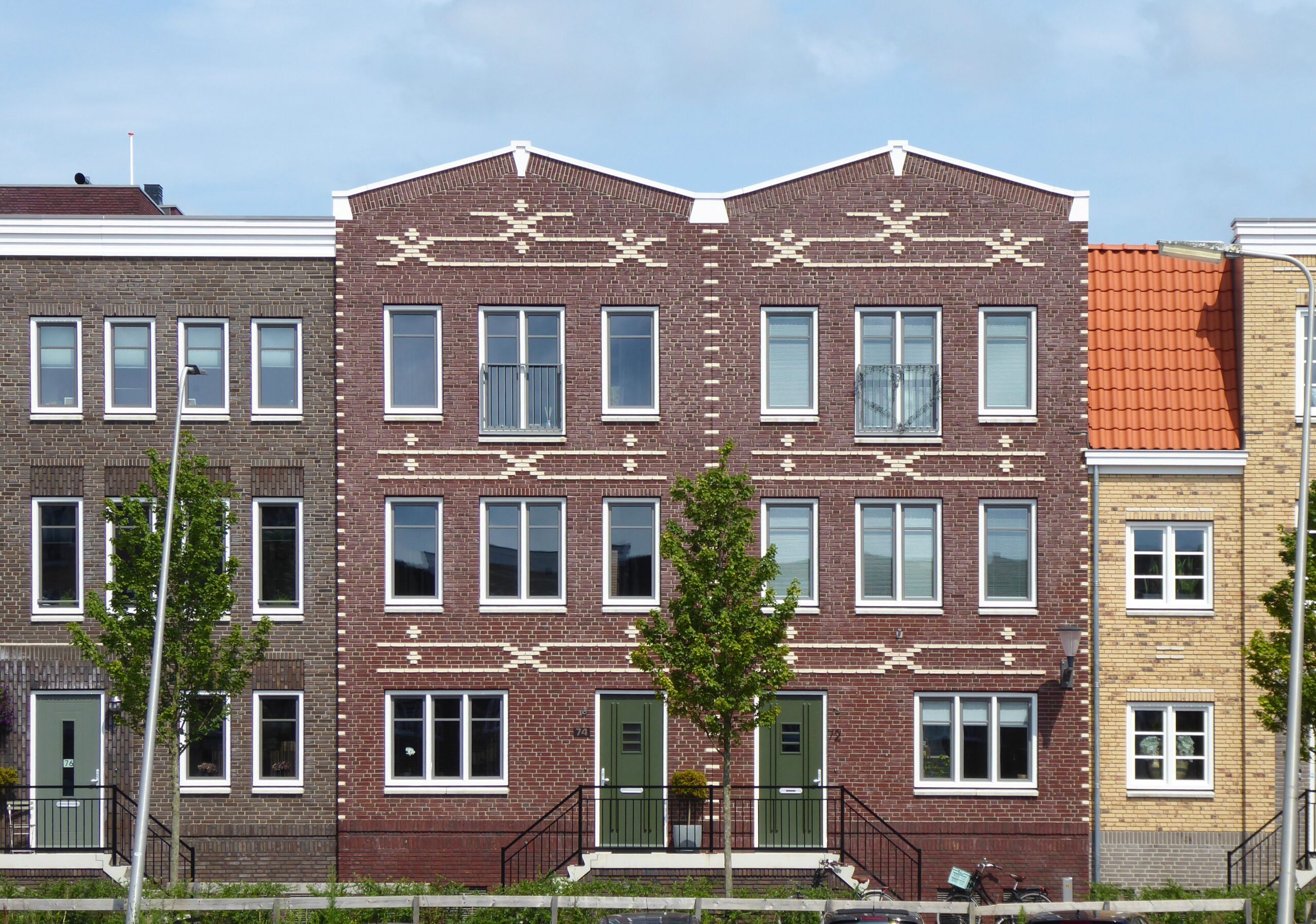
On January 7, 2026, Realtor.com published The Best Markets for First-Time Homebuyers in 2026. Rochester, New York took the top spot. Every market on the list sits in the Northeast, Midwest or South. None is in the West.
I keep a different list. The Foothold Score screens two-to-four unit buildings across 83 metros and ranks the metros on three things: the entry price, what an owner-occupant keeps each month after the mortgage, and durability. It also puts Rochester first. I did not know their list existed when I built mine, and neither project uses the other’s inputs.
Why the overlap is worth noting
When two screens built for different purposes land on the same city, that convergence is more useful than either list on its own. It is also easy to over-read, so this post does both jobs: where they agree, and where the numbers underneath are not comparable.
What each list is actually measuring
The two lists ask different questions, so it is worth putting the methods side by side.
| Realtor.com’s list | The Foothold Score | |
|---|---|---|
| Question it answers | Can a young household buy a home in this place | Can the building help pay for itself |
| What it ranks on | Forecast share of 25 to 34 year old homeowners, for-sale inventory per 1,000 households, median listing price, price-to-income ratio, forecast commute time, and a Local Logic amenities score at 25 percent of the weight | Seven tests on every listing: price floor, the metro’s FHA ceiling at 3.5 percent down, price per square foot, an implausible-yield ceiling, neighborhood violent crime, abandonment, and five-year value trend |
| Affordability assumption | 10 percent down at a 6.25 percent rate, median-income buyer aged 25 to 34 spending under 30 percent of income, stated as before taxes and insurance | 6.66 percent rate, with taxes, insurance, mortgage insurance and a maintenance reserve taken out before anything is called savings |
| Property type | Homes for sale generally | Two to four unit buildings only |
| Data as of | Twelve months ending November 2025 | August 6, 2026 |
One list is about whether a young household can buy a home in a place. Mine is about whether the building can help pay for itself.
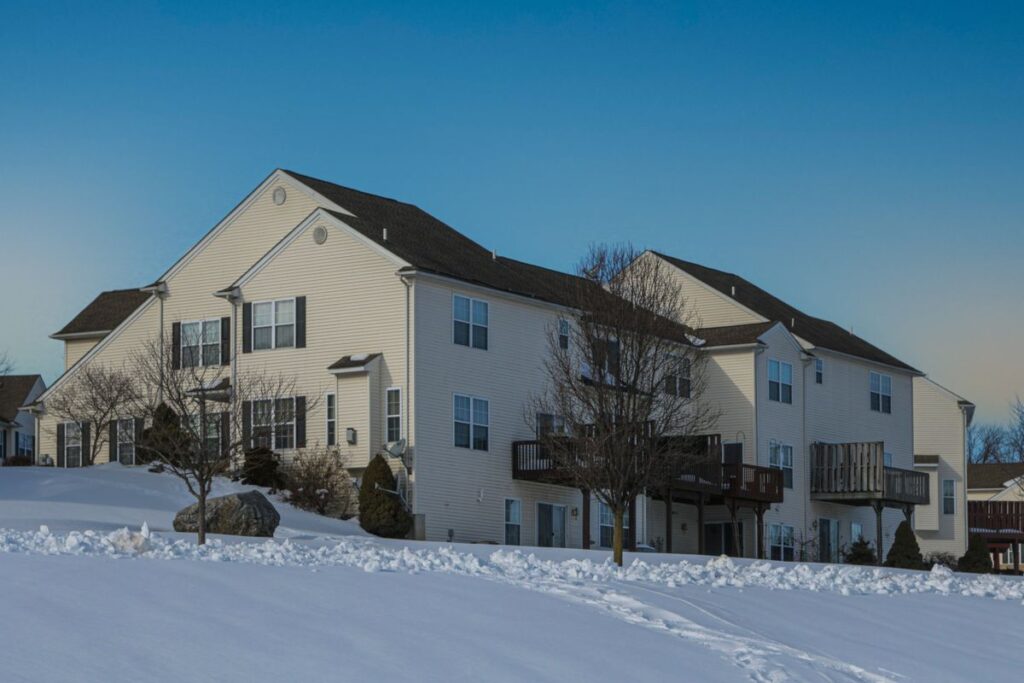
The three cities on both lists
| City | Rank: theirs / mine | Their median listing | My duplex entry price | Kept per month by owning |
|---|---|---|---|---|
| Rochester, NY | 1 / 1 | $139,900 | $160,000 | +$563 |
| Syracuse, NY | 6 / 2 | $169,900 | $198,000 | +$716 |
| Pittsburgh, PA | 9 / 6 | $249,000 | $249,000 | +$163 |
Rochester: the duplex costs about $20,000 more than the house
Realtor.com’s case for Rochester is a $139,900 median listing price against a median income of $48,617 for buyers aged 25 to 34, which puts the mortgage payment at 19.1 percent of income on their assumptions. That is the lowest income share of any Northeast market on their list.
What my screen found in Rochester
My screen found 87 two-to-four unit listings in the Rochester metro that failed none of the seven checks. The entry-level survivor prices at $160,000. So a buyer looking at Rochester is choosing between roughly $139,900 for a median home and roughly $160,000 for a screened duplex, and the duplex comes with a tenant.
On the median surviving deal, that tenant’s rent leaves the owner $563 a month ahead of renting comparable space, after the payment, taxes, insurance, mortgage insurance and a maintenance reserve.
What the price gap actually buys
The gap between those two prices is the part worth sitting with. In most of the country, stepping from a single-family home to a small multi-unit building is a large jump in price and a hard jump in financing. In Rochester it is neither.
Syracuse: the best monthly number in the whole dataset
Syracuse is sixth on their list, with a $169,900 median listing price and a mortgage payment at 22.0 percent of the median 25-to-34 income of $51,436.
What my screen found in Syracuse
On my screen, Syracuse ranks second overall but produces the single highest kept-cash figure of all 83 metros: $716 a month on the median surviving deal, from 92 survivors, at an entry price of $198,000. It ranks second rather than first because entry price and durability count alongside monthly cash, and Rochester is cheaper to get into.
That $716 is worth restating in plain terms. It is not appreciation, and it is not a projection. It is the difference each month between renting comparable space in Syracuse and owning the median duplex that failed no check, with the second unit rented.
Pittsburgh: the coincidence, and what it hides
Pittsburgh is ninth on their list at a $249,000 median listing price. My entry price for a screened Pittsburgh duplex is also $249,000. Those two figures are not the same measurement and the match is a coincidence, but it is a legible one: the cheapest quarter of surviving small multi-unit buildings in the metro starts where the typical listing in the city sits.
How deep the inventory goes in Pittsburgh
Pittsburgh also has by far the deepest inventory of the three, at 266 surviving listings against 87 in Rochester and 92 in Syracuse. What it does not have is much monthly cushion: $163 a month. That is a real number and it is on the right side of zero, but it is one bad furnace from being wrong. Depth of choice and margin for error are different goods, and Pittsburgh trades one for the other.
What the agreement does not prove
Four cautions, because the overlap is easy to oversell.
- Different geographies. Their list mixes metros and principal cities. Granite City, St. Louis Park and Garfield Heights are cities inside larger metros. My figures are metro-wide. For Rochester, Syracuse and Pittsburgh the two happen to line up closely, which is why those three are the only ones I compare here.
- Different months and different loans. Their listing data covers the twelve months ending November 2025 at 10 percent down and 6.25 percent. Mine is August 2026 at 3.5 percent down and 6.66 percent. A smaller down payment buys in sooner and costs more every month.
- Different definitions of a payment. Realtor.com states that its affordability figures are calculated before taxes and insurance. My kept-cash figures are calculated after taxes, insurance, mortgage insurance and a maintenance reserve. Their 19.1 percent for Rochester and my $563 are correct numbers that stop at different places.
- Agreement about a place is not advice about a building. Both lists rank markets. Nobody lives in a market. A screened metro tells you where to look; it does not tell you whether the specific duplex in front of you works.
What the overlap does establish is that upstate New York’s affordability is not an artifact of one methodology. Two projects with nothing in common except the housing market arrived at the same two cities, and a third project, LoopNet’s investor-side index, independently flags Pittsburgh too.
Get started with the newsletter!
Useful, relevant analysis, tools, tricks, and what you need to know on the journey to financial freedom. From the van years to a duplex, the plain math and none of the hype.
Subscribe and get the free $0-to-First-Property Roadmap to start.
No spam. Unsubscribe in one click.
Want the deeper toolkit? The guides and spreadsheets are in the shop, from $5, and the free tools stay free either way.
Sources
- Realtor.com Research, The Best Markets for First-Time Homebuyers in 2026 (published January 7, 2026; rankings, median listing prices and income shares read August 20, 2026)
- VanToVault, Foothold Score dataset, 83 metros, data as of August 6, 2026, downloadable CSV and JSON on the page
Is Rochester really the best city for first-time homebuyers in 2026?
Realtor.com ranked it first on its 2026 list, using affordability, inventory, commute time and amenity scores. A separate screen of two-to-four unit buildings on this site also ranks Rochester first, on a narrower test of entry price, what an owner-occupant keeps each month after the mortgage, and durability. Two different methods agreeing is a strong signal about the market, but neither one evaluates an individual property.
How much more does a duplex cost than a house in Rochester?
As of August 2026, the entry-level duplex that failed no check in the Foothold screen priced at $160,000, against a $139,900 median listing price for the place in Realtor.com data covering the twelve months ending November 2025. Those are different measurements, but the gap is roughly $20,000, which is unusually small.
Which upstate New York city keeps the most money each month?
Syracuse. On the median surviving two-to-four unit deal, an owner living in one unit kept $716 a month compared with renting comparable space, the highest figure among the 83 metros screened as of August 2026. Rochester ranks first overall because its entry price is lower.
What is a first-time buyer market ranking?
A first-time buyer market ranking is defined as an ordered list of metros scored on the factors that affect entry level purchases, typically price relative to local income, available inventory and how long homes sit before selling.