
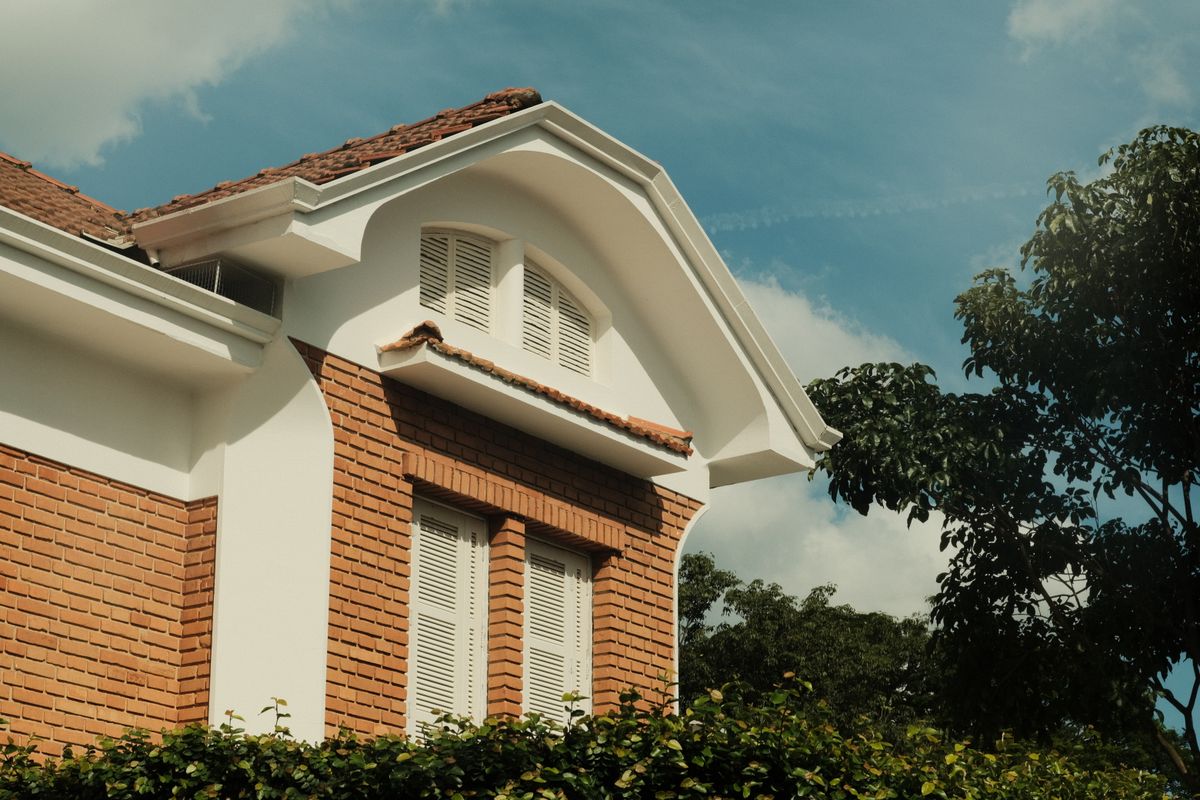
Most first-time buyers are not putting 20% down. The usual routes in are a low down payment loan, down payment assistance from a state or local program, a second income, or buying a small building whose tenant rent covers part of the payment. On a $200,000 house, 20% down is $40,000, while an FHA loan at 3.5% down is about $7,000.
When house prices and your income don’t seem to fit together, it is reasonable to wonder how everyone else is managing it. Part of the answer is that plenty of them are not. Some are carrying more debt than they should be, and more are stuck behind the same barriers you are: not enough saved, not enough income, or a credit score that is not there yet.
The ones who do get in usually took one of a handful of routes, and none of them require forty thousand dollars in cash.
Do you need 20% down to buy a house?
No. The 20% figure is what lets you avoid mortgage insurance on a conventional loan. It is not a minimum, and it is not what most first-time buyers do. FHA stands for Federal Housing Administration, a government agency whose loan program was built specifically for buyers who cannot put down a large deposit, and it allows 3.5% down at a 580 credit score or better.
The difference that makes to the cash you need is the whole story.
| Route in | How it works | Down payment on a $200,000 house |
|---|---|---|
| Conventional, 20% down | The standard loan, with no mortgage insurance | $40,000 |
| Conventional, 5% down | Smaller deposit, with mortgage insurance until you build equity | $10,000 |
| FHA, 3.5% down | Government-backed loan aimed at lower deposits and lower credit scores | $7,000 |
| FHA plus down payment assistance | A state or local program covers part or all of the deposit | $0 to $7,000 |
| House hack | The same low-deposit loan on a two-to-four-unit building, with a tenant covering part of the monthly payment | $7,000, and a lower payment afterwards |
Down payment only. Closing costs are separate, and loan terms vary by lender and by credit score. I am not a lender, so treat this as the shape of the decision rather than a quote.
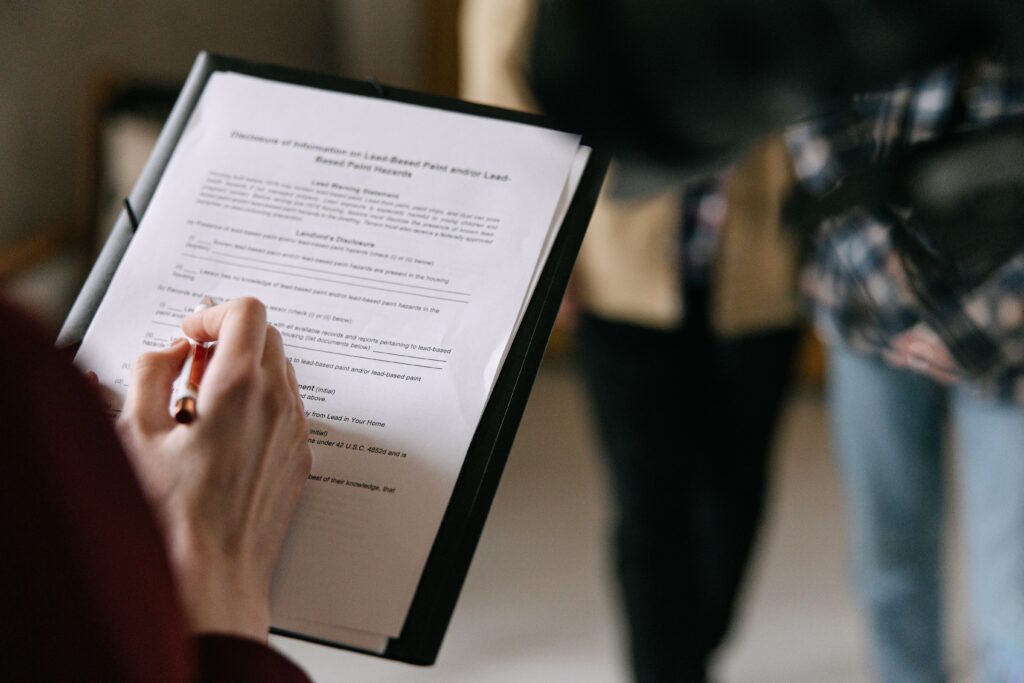
Down payment assistance is the part most people miss
What down payment assistance is
Down payment assistance, usually shortened to DPA, is money from a state or local agency that covers part of your deposit. Some of it is a grant you keep. Some is a second loan that is forgiven if you stay a set number of years, and some has to be repaid. It is the single largest lever on this list, because it works on the number that actually stops people, which is cash on hand rather than monthly payment.
I used a county program on my first house, a $185,000 starter home. Without it I would not have had the deposit. I have since checked what these programs look like across 83 metro areas, and the results are in the down payment assistance guide.
Buying something that helps pay for itself
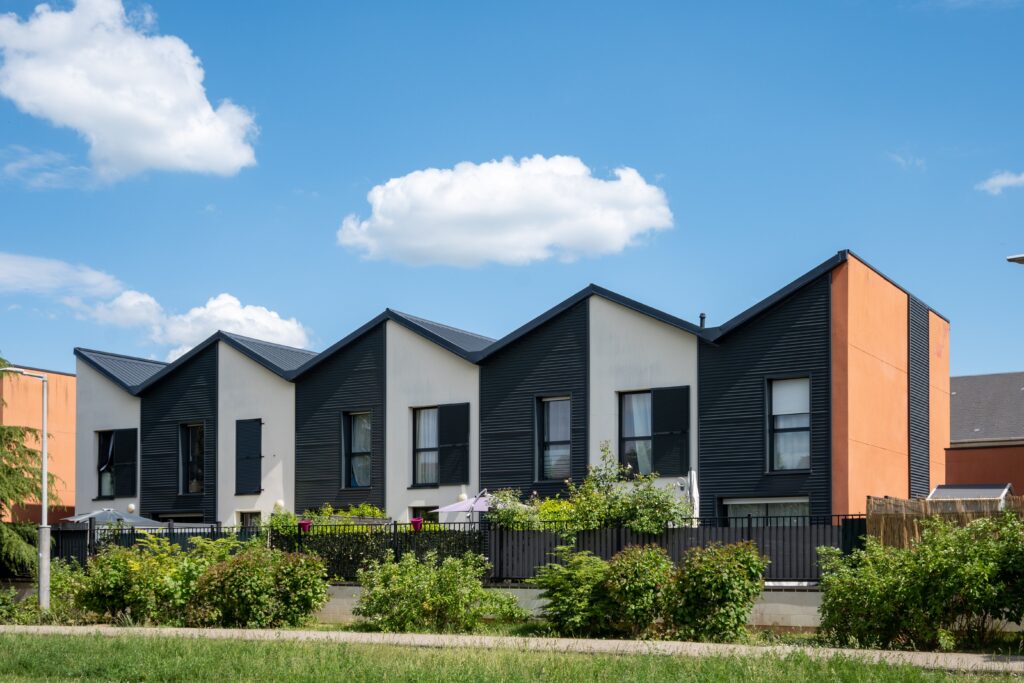
The route people hear about least is the one that changed things for me. I bought a duplex, lived on one side, and let the rent from the other side cover part of the payment, using the same loan a first-time buyer would use on a single-family house. That is house hacking, and the deposit rules are the same. What changes is the monthly cost after you move in.
See the math: compare rent vs. buy vs. house hack for your own numbers, or work out how long the deposit takes with the down payment budget.
Questions people ask about affording a house
How much money do you actually need to buy a house?
The cash you need to buy a house is the down payment plus closing costs. On a $200,000 house, that is $40,000 of deposit at 20% down, about $7,000 at FHA’s 3.5% minimum, or close to nothing if a down payment assistance program covers the deposit. Closing costs sit on top of all three.
Can you buy a house with no money down?
Buying with nothing down is possible in two situations. VA and USDA loans allow zero down for buyers who qualify: VA through military service, USDA by buying in an eligible rural area with household income no higher than 115% of the area median. A down payment assistance program can also cover an FHA deposit in full. Neither removes closing costs.
How do people afford houses on a normal salary?
People afford houses on ordinary salaries by lowering the cash needed at the start rather than by earning more. That means a low down payment loan, assistance money, a second income on the application, or a building that produces rent. The deposit is the barrier far more often than the salary is.
This post is part of the full first-move on-ramp. And if it feels like you missed the window entirely: is it too late to buy a house.
People afford houses by working three levers, income, debt and down payment.
How Much House Can You Afford. Move each one in the calculator and watch the price range shift. It turns a question that feels unanswerable into arithmetic you control.
Get started with the newsletter!
Useful, relevant analysis, tools, tricks, and what you need to know on the journey to financial freedom. From the van years to a duplex, the plain math and none of the hype.
Subscribe and get the free $0-to-First-Property Roadmap to start.
No spam. Unsubscribe in one click.
Want the deeper toolkit? The guides and spreadsheets are in the shop, from $5, and the free tools stay free either way.
Sources
- U.S. Department of Housing and Urban Development, What is the minimum down payment requirement for FHA?. The 3.5% minimum behind the FHA row in the table above, stated by the agency that sets it.
- Consumer Financial Protection Bureau, What is private mortgage insurance?. Why 20% is what removes mortgage insurance on a conventional loan rather than a minimum to buy at all.
- U.S. Department of Housing and Urban Development, State Information. Where the down payment assistance programs in the fourth row are listed, state by state.
- U.S. Department of Veterans Affairs, VA-backed Veterans home loans. The zero down route for buyers who qualify through military service.
- USDA Rural Development, Single Family Housing Guaranteed Loan Program. The zero down route for buyers purchasing in eligible rural areas.
- [S1] USDA Rural Development, modified 2026-06-22, read 24 September 2026: “Applicants must: Meet income-eligibility (cannot exceed 115% of median household income)"; "Agree to personally occupy the dwelling as their primary residence"; "Eligible applicants may purchase, build, rehabilitate, improve or relocate a dwelling in an…” www.rd.usda.gov.