
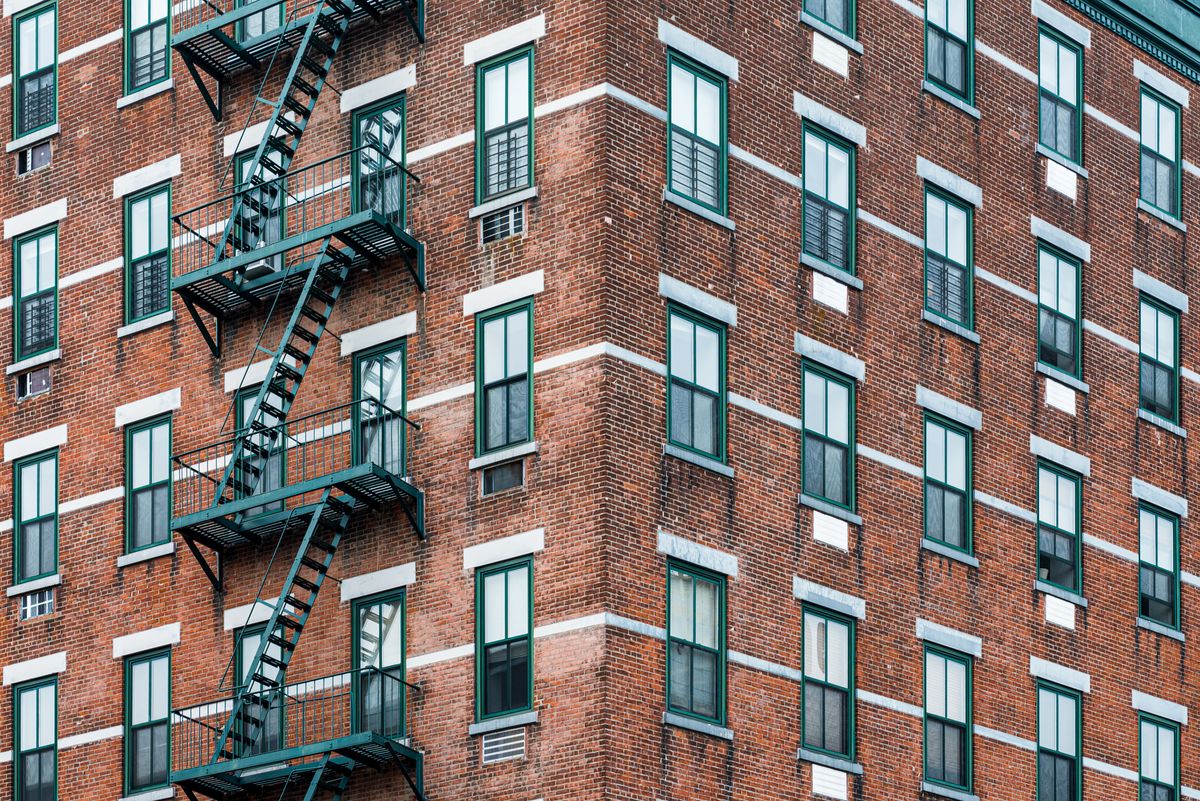
National home prices rarely crash because most owners are not forced to sell. Just under half of outstanding mortgages, 49.9 percent, carry rates below 4 percent, so an owner with a cheap loan has little reason to move and take on a new one at today’s rates. Fewer listings means less supply, and prices stay sticky even when demand cools.
Every year someone predicts a housing crash, and every year the crash mostly doesn’t come. Here’s why prices stay stubbornly high, what 2008 actually was, and why waiting for a collapse is a risky bet.
If you’ve been waiting to buy until the housing bubble finally pops, you have plenty of company, and you’ve probably been waiting a while. The prediction that prices are about to crash is one of the most reliable annual traditions in finance. It occasionally comes true in a specific market, but the nationwide collapse that people are picturing, the one where they swoop in and buy cheap, almost never arrives on schedule.
I bought when things felt expensive too, so I understand the pull of waiting. I also watched waiting cost people years.
This isn’t a promise that prices only go up. It’s a straight look at why housing behaves differently from a stock bubble, why 2008 was a specific event rather than a repeating one, and what that means if your plan is built around a crash that may not come.
If you’re new here, What Is House Hacking? lays the foundation. This post is about the market you’d be buying into and the myth that keeps people out of it.
Why housing doesn’t crash like a stock
A stock can drop 40 percent in a week because owners can sell instantly and nobody has to hold it. Housing is different in ways that put a floor under prices.
The biggest reason is that people live in their homes. A homeowner who doesn’t need to sell simply doesn’t. When prices soften, most owners pull their homes off the market and wait rather than accept a loss, which shrinks supply and stops the fall. You can’t do that with a stock.
The golden handcuffs keeping homes off the market
Just under half of outstanding mortgages, 49.9 percent, carry rates below 4 percent. An owner sitting on a 3.5 percent mortgage has almost no incentive to sell and take on a new loan at 6.5 percent, so they stay put. That keeps homes off the market, keeps inventory tight, and keeps prices supported even when demand cools.
Waiting for a crash that may never come has a price of its own. Another year of rent, and a down payment that buys a little less each time.
2008 was a specific failure, not the normal pattern
When people say “bubble,” they’re usually picturing 2008. But 2008 wasn’t just high prices. It was high prices sitting on top of genuinely broken lending.
- Mortgages went to people who couldn’t document income.
- Loans were written with no down payment and teaser rates that reset to unaffordable.
- That risk was then bundled in ways that hid it.
When the payments reset, a wave of forced sellers hit the market at once, and that flood of supply is what actually crashed prices.
Today’s setup is different in the ways that matter. Lending standards are far tighter, borrowers are much better qualified, and homeowners are sitting on record levels of equity. Analysts across the market describe the current environment as a correction and normalization rather than a bubble waiting to burst, precisely because the forced-seller dynamic that broke 2008 isn’t present. Without a wave of people who have to sell, you don’t get the crash.
Home price growth and inventory in 2026
The real 2026 story is slow, not dramatic. Experts broadly aren’t forecasting a crash this year. Home prices have kept climbing, but gently.
| 2026 market signal | Reading |
|---|---|
| Annual home price growth, January 2026 | About 0.9 percent, down from 1.3 percent in December |
| Inventory, February 2026 | Up about 7.1 percent from a year earlier |
| Homes still needed for a normal market | Another 300,000 to 500,000 for sale |
Tight supply is the through-line, and tight supply is what holds prices up. Inventory is improving but still nowhere near pre-2020 levels, and the construction labor shortage that’s slowing new building means the squeeze isn’t resolving quickly.
How much waiting for a housing crash costs
If you sit out for years waiting for a collapse, three things tend to happen, and none of them are in your favor:
- Prices usually keep drifting up while you wait, so the home you passed on gets more expensive, not less.
- Rent keeps flowing out of your pocket the entire time, building someone else’s equity instead of yours.
- You miss years of paying down a loan and building your own equity, which is the slow engine that actually creates wealth.
Even if a modest price dip does come, it rarely offsets those losses. A buyer who purchased a reasonable home and let a tenant help pay it down usually comes out ahead of the person who waited on the sidelines for a crash that arrived small, late, or not at all. Timing the housing market is as hard as timing the stock market, and most people who try lose years to it.
House hacking instead of waiting for a crash
You don’t have to predict the market to protect yourself from it. You just have to buy in a way that survives whatever the market does. That’s the whole reason house hacking works in an environment like this.
When rent from another unit covers a big share of your payment, you’re far less exposed to price swings, because your monthly cost is low and you’re not forced to sell at a bad time.
You can ride out a soft patch comfortably instead of being the forced seller who feeds a crash.
So instead of watching for a collapse, test real deals at today’s prices and rates.
- Put a listing into the free house hacking calculator and see what your actual monthly cost would be with rent helping.
- Torn between buying now and waiting? The rent vs. buy vs. house hack tool compares the long-run outcomes so you can decide on math instead of fear.
- Not sure you’d qualify yet? The readiness roadmap shows you the first thing to fix.
Why tight supply keeps home prices from crashing
Housing doesn’t crash the way people hope because owners don’t have to sell, lending is far healthier than it was in 2008, and tight supply keeps a floor under prices. The 2026 market is cooling slowly, not collapsing. Waiting for a burst usually costs you more in rent and lost equity than any dip would save you. The durable move isn’t predicting the market; it’s buying something that pays for itself so you’re safe whatever the market does.
None of this is a prediction or financial advice. No one can reliably forecast home prices, and local markets vary a lot. It’s a framework for thinking about risk, not a guarantee about what prices will do.
- Supply is the other half of the price story. Labor shortages keep new homes expensive, covered in immigration, construction labor, and new home costs.
- Will home prices drop in 2026? takes the forecast question head on.
- A related piece of the same supply picture: new homes keep getting smaller looks at how builders responded and where that leaves buyers.
Stop waiting on a crash and check the math you can control.
The free rent versus buy calculator. Compare renting against owning at today’s numbers, which is a decision you can make without predicting anything.
Frequently asked questions
Why doesn’t the housing market crash like the stock market?
Housing does not crash like a stock because owners live in their homes and do not have to sell. When prices soften, most owners pull their homes off the market and wait rather than accept a loss, which shrinks supply and stops the fall. A stock can drop 40 percent in a week because every owner can sell instantly.
What are golden handcuffs in housing?
Golden handcuffs are defined as the effect of a cheap existing mortgage keeping an owner from selling. Just under half of outstanding mortgages, 49.9 percent, carry rates below 4 percent, so an owner at 3.5 percent has almost no incentive to take on a new loan at 6.5 percent. That keeps homes off the market and prices supported even when demand cools.
Why was 2008 different from today’s housing market?
The 2008 crash is defined by broken lending, not just high prices: mortgages with undocumented income, no down payment and teaser rates that reset to unaffordable, bundled in ways that hid the risk. The resets created a wave of forced sellers at once. Today lending standards are far tighter, borrowers are better qualified and homeowners hold record equity, so the forced-seller dynamic is absent.
What does waiting for a housing crash cost?
Waiting for a housing crash costs three things: prices usually keep drifting up while you wait, rent keeps building someone else’s equity, and you miss years of loan paydown. Annual price growth was around 0.9 percent in January 2026 and inventory was up about 7.1 percent year over year in February, a cooling market rather than a collapse.
Get started with the newsletter!
Useful, relevant analysis, tools, tricks, and what you need to know on the journey to financial freedom. From the van years to a duplex, the plain math and none of the hype.
Subscribe and get the free $0-to-First-Property Roadmap to start.
No spam. Unsubscribe in one click.
Want the deeper toolkit? The guides and spreadsheets are in the shop, from $5, and the free tools stay free either way.
Sources
- Housing Market Predictions for 2026: When Will Home Prices Drop?, Forbes Advisor
- Is the Housing Market Going to Crash?, Redfin
- Will the housing market crash in 2026?, Yahoo Finance
- Housing Market Predictions for 2026, Ramsey Solutions
I’m not a guru, and the tools here are free. If you want more posts like this as I write them, subscribe on the blog, or if you’ve found a place and want a second pair of eyes on the numbers, send me the deal.